

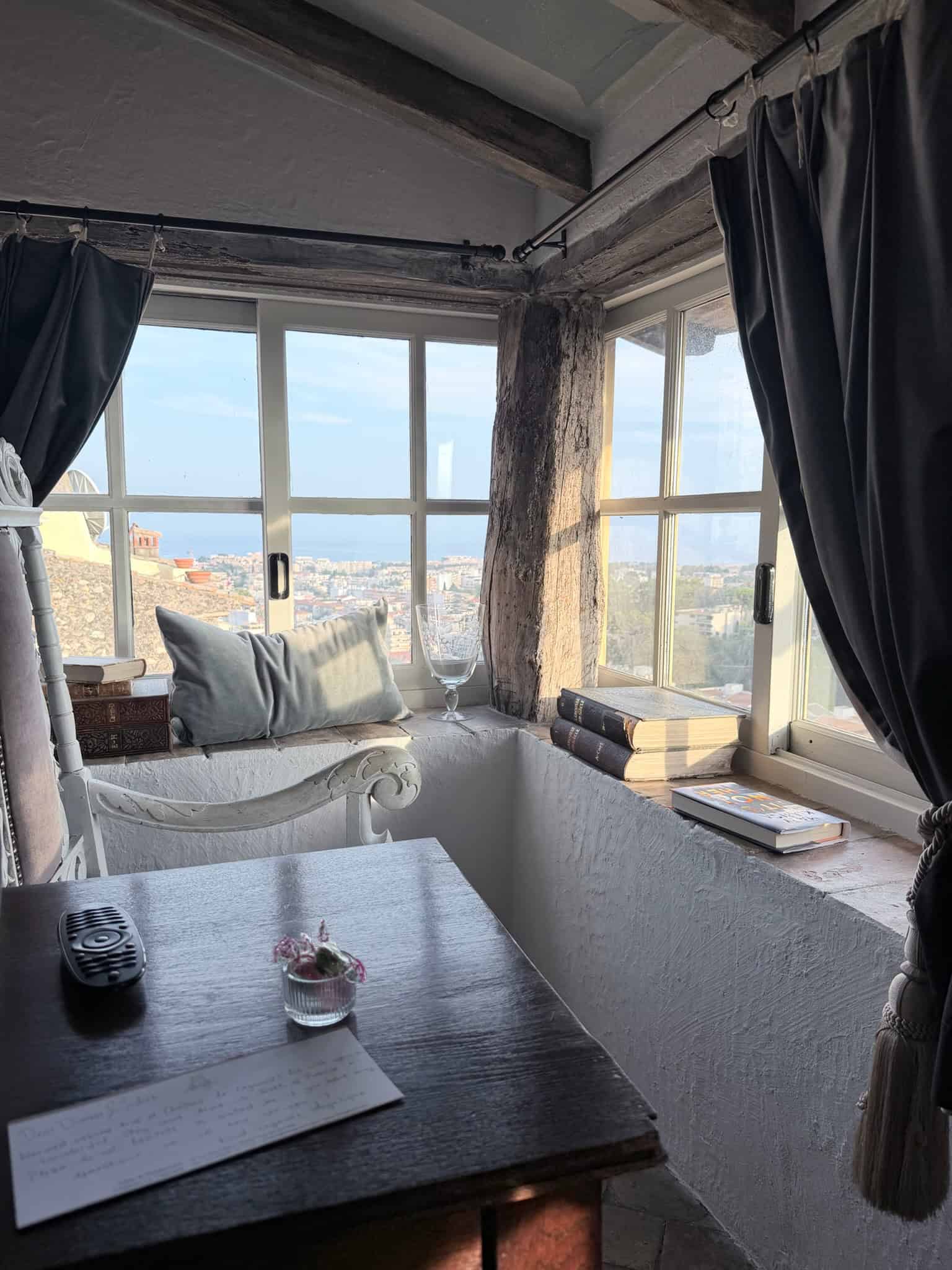

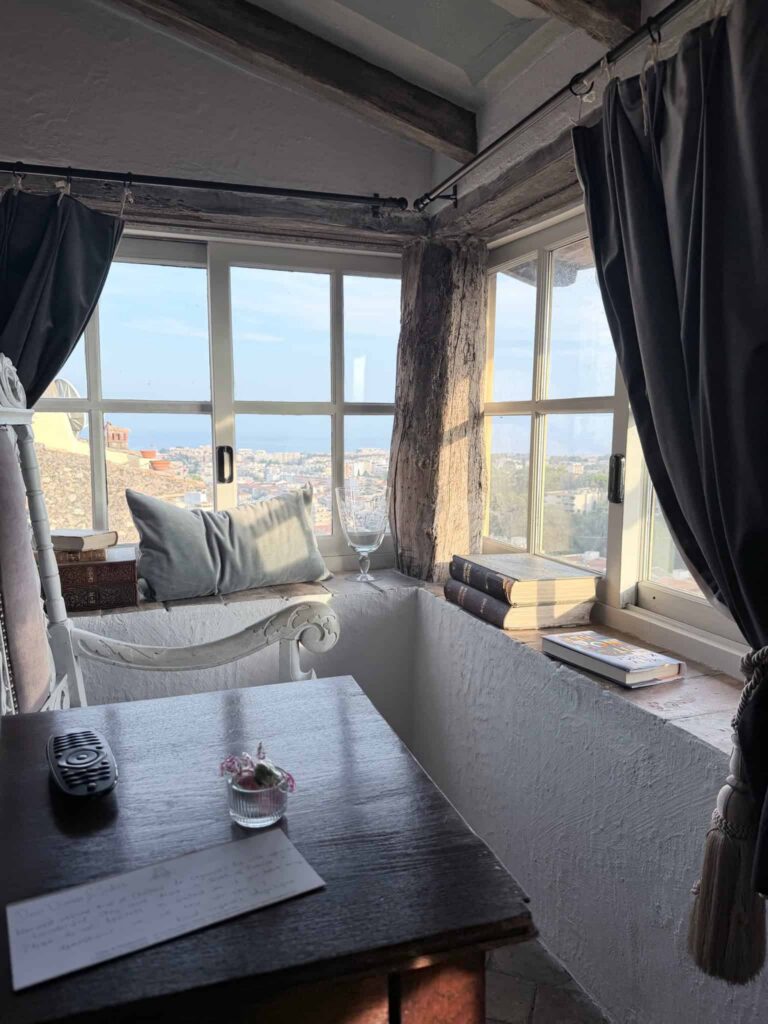
Our founder, Dianna, spent an afternoon this year at Château Le Cagnard, a thirteenth-century château built into the walls of Haut-de-Cagnes, a medieval hilltop village above the French Riviera. The photos were extraordinary. Stone archways, a restaurant with a roof that slides open to the sky, views stretching toward the sea. She knew exactly what she was walking into, because she had done the work of knowing beforehand. Not every traveler would.
That gap between what a photo promises and what a stay actually delivers is where a luxury travel advisor earns their place. Photos capture light, color, and a single angle. They rarely capture room size, a building’s age, the pace of service, or whether a property’s particular version of beautiful matches what a specific traveler wants from their time away. A property can be genuinely wonderful and still be the wrong fit, and knowing the difference before you book is the entire point of working with someone who has been there.
A Beautiful Property Isn’t the Same as the Right Property
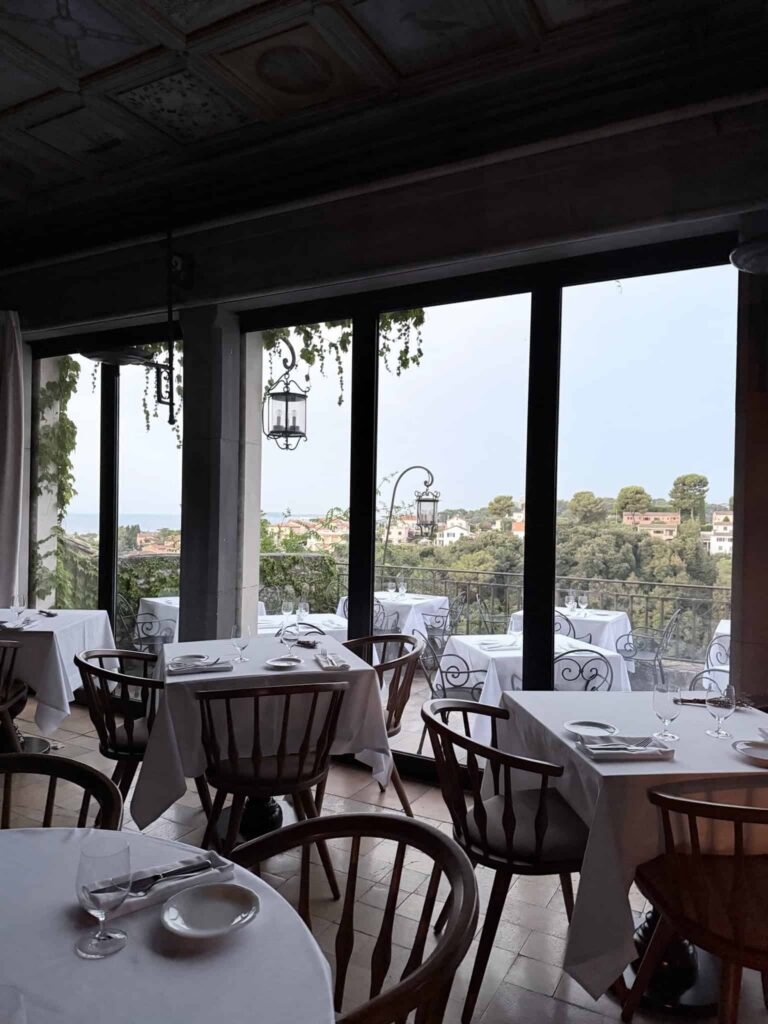
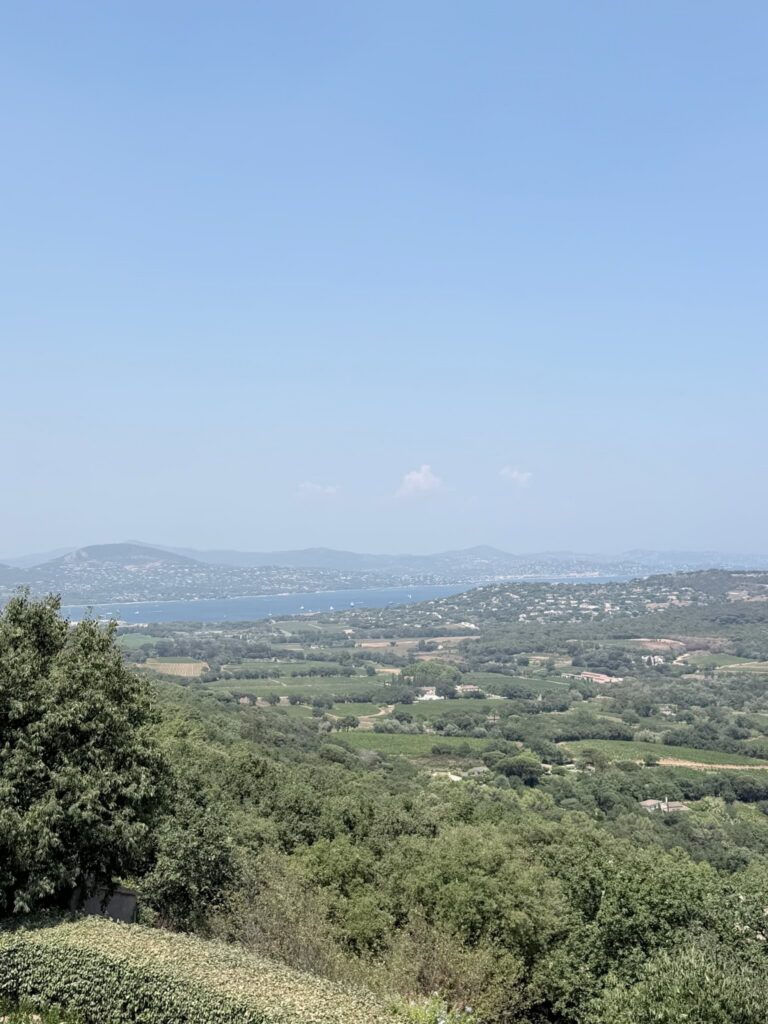
Château Le Cagnard is not a cautionary tale. It’s a reminder.
Properties like it, historic, characterful, built into centuries-old structures, often photograph better than almost anywhere else. The architecture does the work a camera loves: arches, stone, texture, light. But a thirteenth-century building comes with the realities of a thirteenth-century building. Rooms may be smaller than a traveler expects from a five-star rate. Layouts can be irregular. Staircases exist where elevators don’t. None of that makes a property lesser. It makes it specific, and specific only works when it matches the traveler standing in front of it.
We ask a different question than “is this a great property.” We ask who it’s great for.
What Marketing Doesn’t Show You
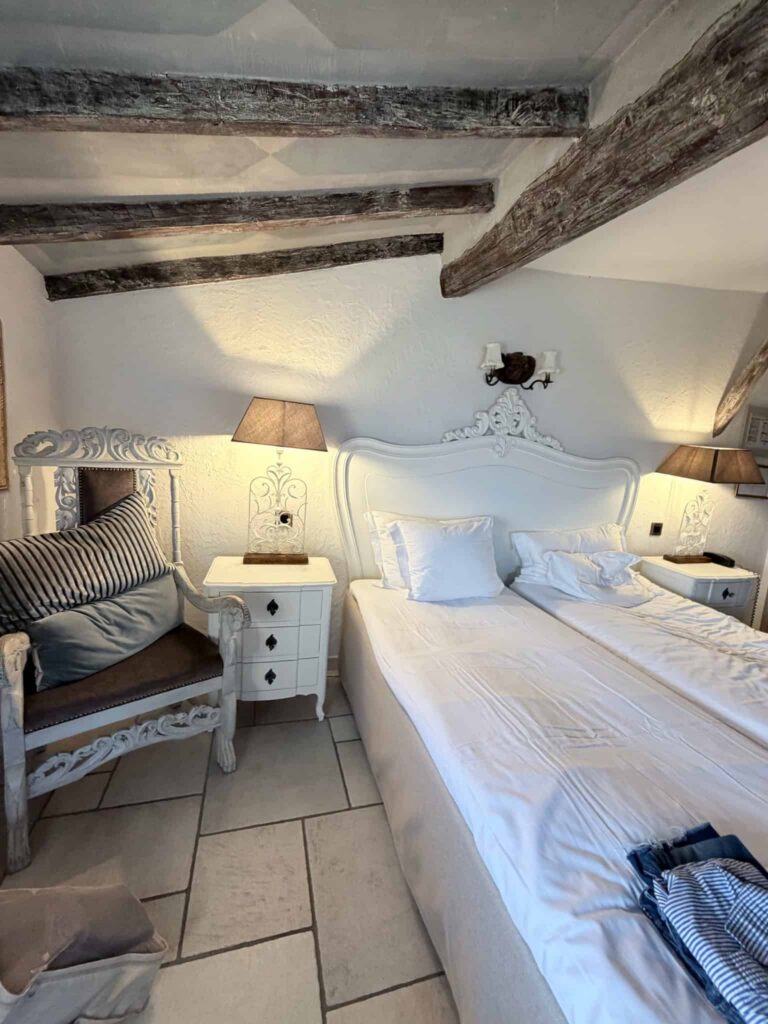
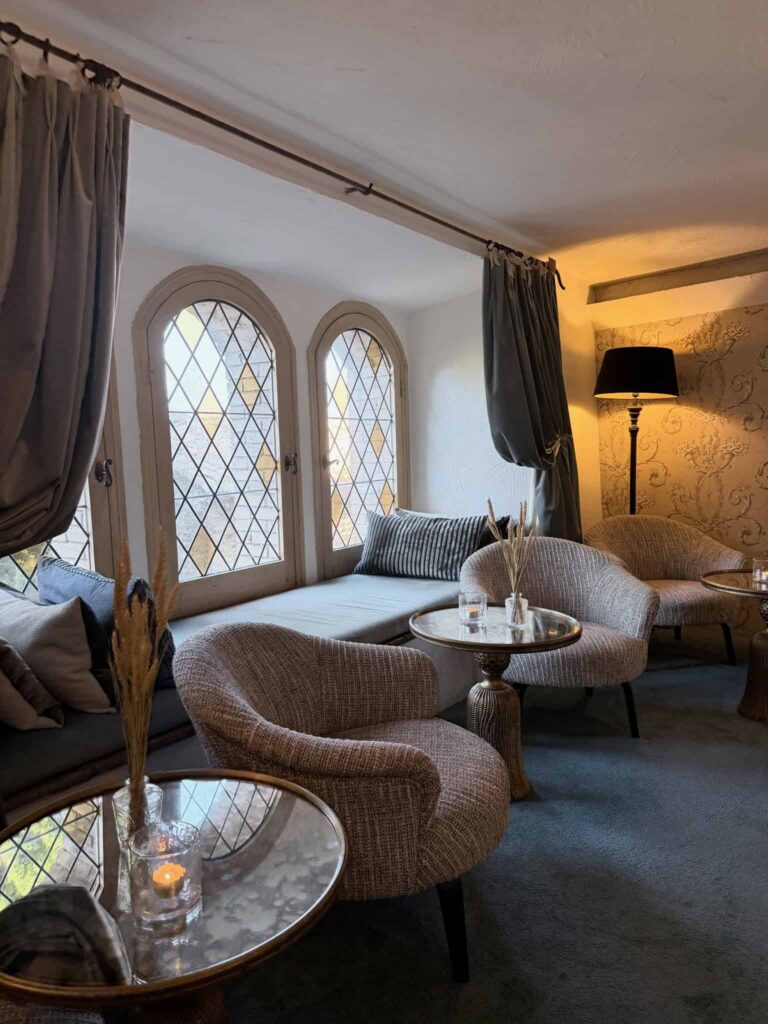
Every property, from a family-run château to a global hotel group, is marketed to look its best. That’s not a criticism. It’s the job of marketing. But a beautifully lit photo answers one question: does this place look appealing? It doesn’t answer the questions that actually determine whether a trip feels right once you’re living inside it.
Room size. Noise levels. Whether service is warm or simply efficient. Whether a boutique property’s owner has a philosophy that resonates with you, or one that doesn’t. Whether the surrounding village is walkable as you pictured, or requires the kind of navigation that some travelers love and others find exhausting.
A few examples of what we mean.
- A property’s name can suggest one style of hospitality and deliver another entirely. A “château” with a French name doesn’t guarantee a French sensibility. Ownership, staff, and even breakfast can reflect a completely different country or culture than the name suggests, and that shift can change the entire tone of a stay.
- A map will tell you a village is close. It won’t tell you that reaching it means climbing a set of steep cobblestone stairs, or that a car cannot pull up to the property at all, and bags need to be carried the last stretch by hand.
- Photos of a stunning rooftop or courtyard don’t tell you whether the property has a bar with any real energy at night, or whether it’s simply a beautiful room that goes quiet after dinner. For a traveler who wants a lively evening, that distinction matters as much as the thread count.
- A property can be styled to feel formal and polished in every photo, and still run with a warm, relaxed, almost unpolished energy in person, or the reverse. Neither is wrong. But it’s worth knowing which one you’re walking into before you’ve unpacked.
None of these are flaws. They’re simply the parts of a stay that a photo doesn’t capture.
What Happens Behind the Scenes, Before We Ever Recommend a Property
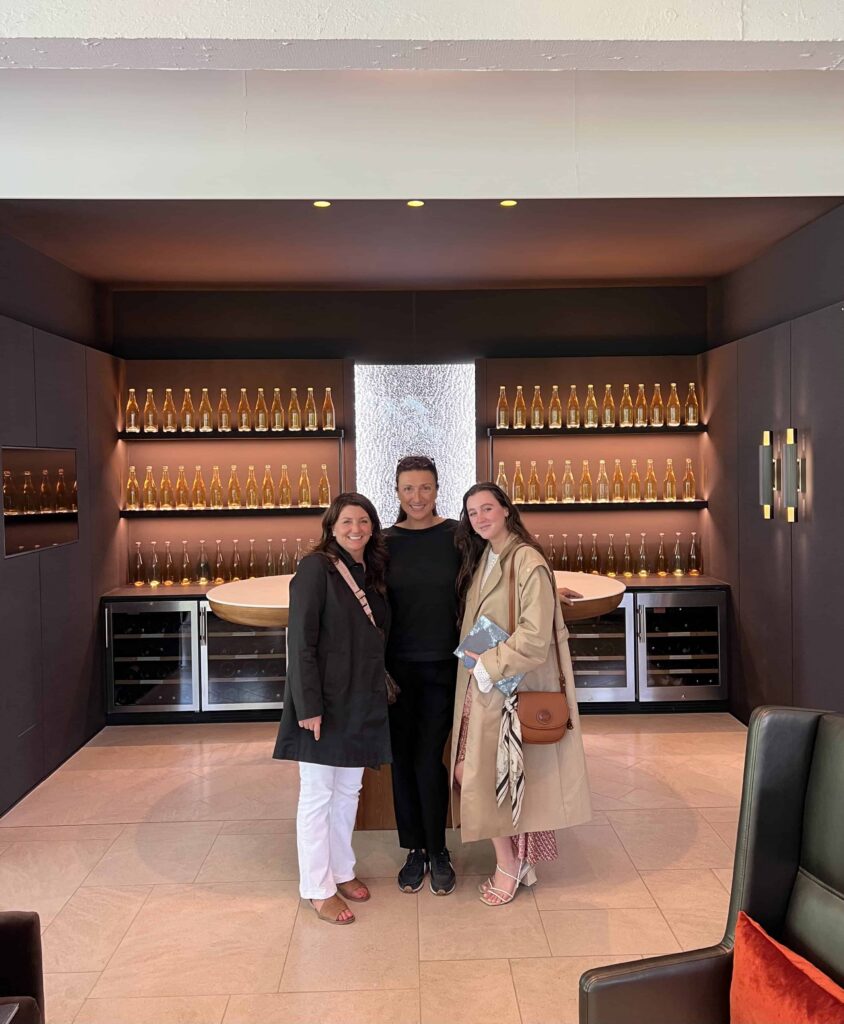
This is the part travelers rarely see, and it’s where the real work happens.
Before we suggest a property to a client, we rarely rely on the property’s own photography or a strong average review. In most cases, we’re in direct contact with the property’s sales team, the people who actually know the property day to day, not just how it’s marketed.
Those relationships are how we know whether a recent renovation lived up to its concept, whether service has been consistent or has slipped under new management or ownership, and how a property actually performs during the season a client is traveling, not just the season in which it was photographed. It’s how we learn which rooms are genuinely worth the upgrade and which ones just photograph better than they look in person.
That’s the difference between choosing a hotel because it looks beautiful online, and choosing one because we already know how it will feel once you’re standing in the lobby.
The Real Question We’re Asking
When we vet a property, whether it’s a historic château, a design-forward boutique hotel, or a five-hundred-room resort, the question is never simply “is this good.” It’s:
- Who is this property built for
- What does the pace of service actually feel like, day to day
- Does the size and layout suit this specific traveler or family
- Is there real nightlife or energy on property, or is it a quiet retreat once the sun goes down
- How walkable is the surrounding area in reality, not just on a map
- What does the owner or brand believe in, and does that show up in the experience
Those answers rarely show up in a photo. They show up in having stayed somewhere, spoken with the people who run it, and stayed close enough to the property and its sales team to know when something has changed.
The Full Picture Is the Point
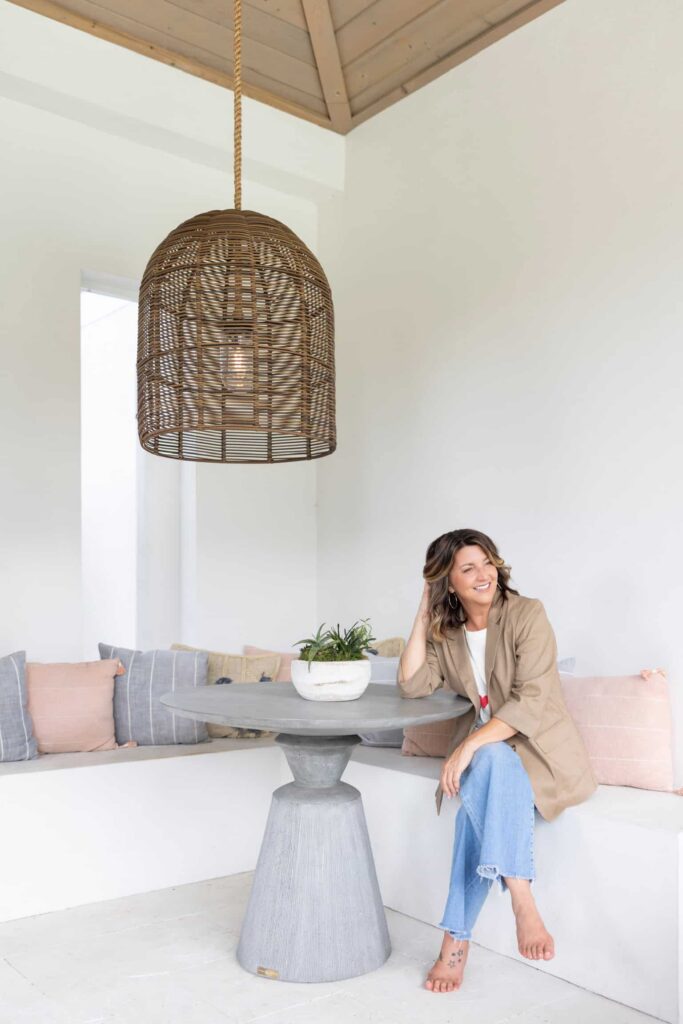
None of this is about warning travelers away from beautiful properties. It’s the opposite. Some of the most memorable journeys we’ve designed involve exactly the kind of characterful, historic, wonderfully imperfect properties that don’t always translate into a single photo. The point isn’t to avoid them. It’s about walking in knowing what you’re walking into, so the experience matches the expectation you’ve built in your mind.
The goal isn’t to make every property fit some universal definition of luxury. It’s to know exactly why it belongs in your journey before you arrive.
If you’re planning a journey and want someone who knows the full picture behind the photos, not just which properties are beautiful, but which ones are right for you, we would love to help you think it through. Start planning here.


