


There is a cuckoo clock in my mother’s living room that came home from Germany years ago. Every hour, on the hour, it announces itself. Every Christmas, we dress it in a little dusting of fake snow, because somehow that feels like the right way to honor where it came from.
We are not really talking about the clock, though. We are talking about what it stands for, which is this: bringing travel home means carrying a destination’s habits, rituals, and small pleasures back into daily life, whether that is a recipe learned from a host, a game played in a village square, or a ritual as simple as pausing for the sunset. These are the details that keep a journey alive long after the flight home, and they are often more meaningful than any photo.
We think about this often, because it is the whole reason we plan trips the way we do. A journey should hand you something to keep. Not a magnet. Something that changes the shape of an ordinary Tuesday.
Here are a few habits our family has carried home, and why we think they matter more than most people realize.
Getting Outside, the Way an Italian Grandfather Taught Us
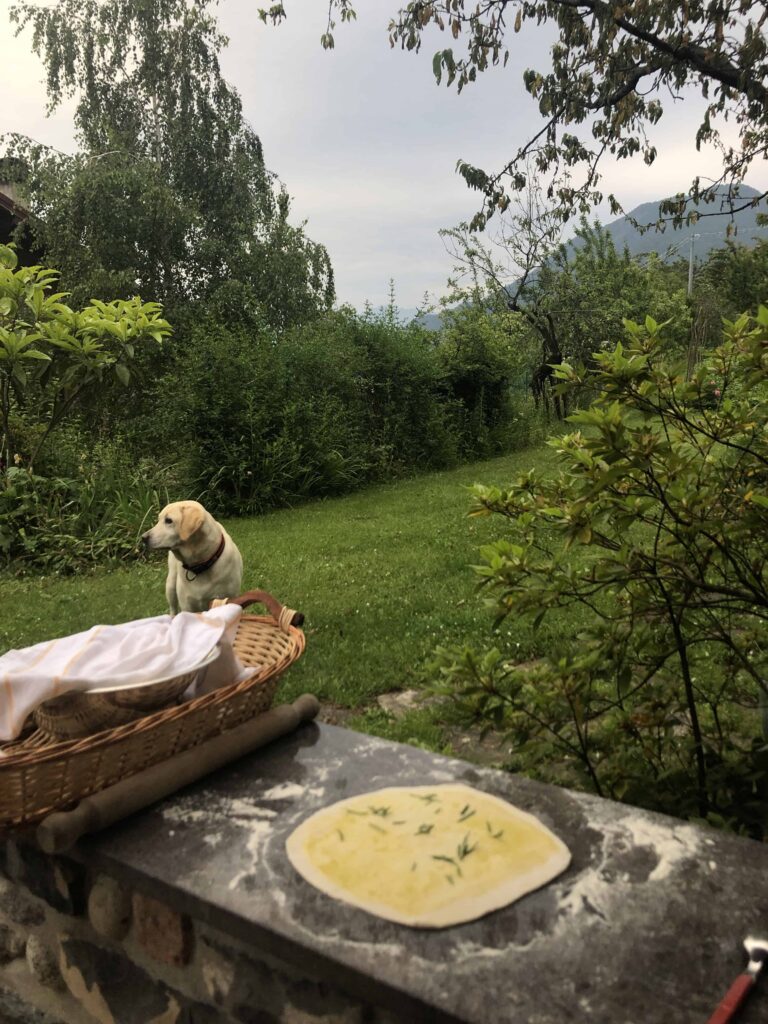
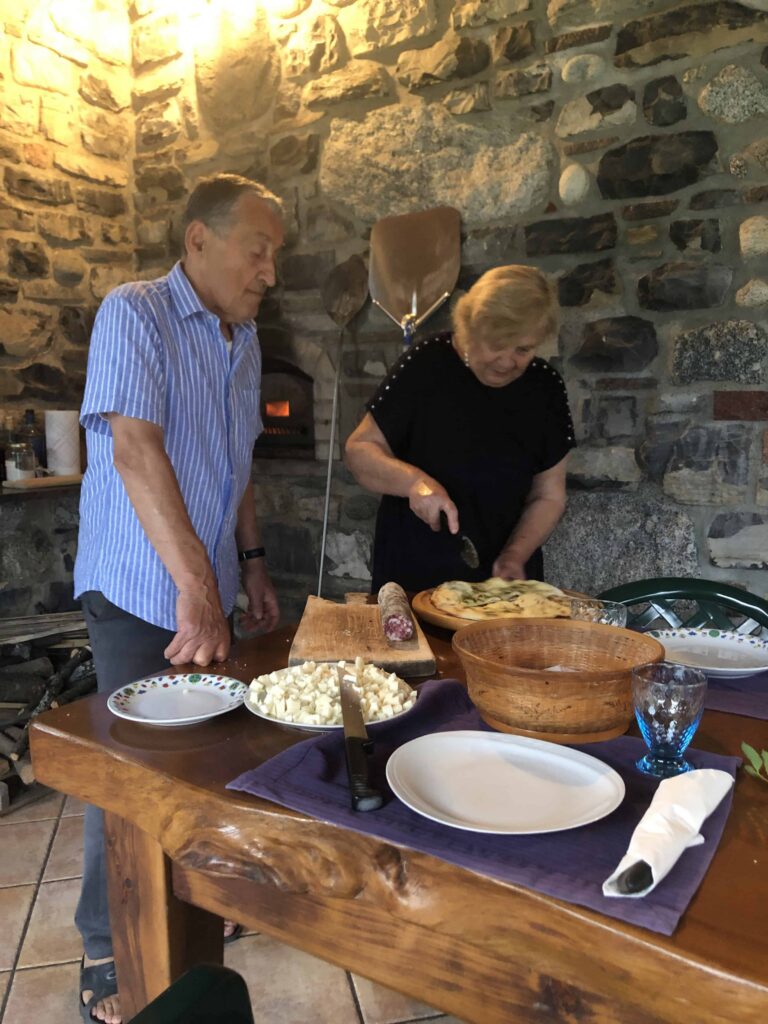
Years ago, at a small villa on Lake Como, we spent an afternoon with a family who lived there full time. The grandfather, an older man named Bruno, was fiercely proud of his garden. He grew nearly everything he cooked. We sat outside for hours that day. His son taught us how to make his pizza dough. The adults drank wine while the dough rested. Their dogs ran circles around all of us until the light went gold over the lake.
Nobody was checking a phone. Nobody was rushing to the next thing.
That afternoon changed how we spend our own evenings at home. We planted herbs. We started eating dinner outside whenever the weather allowed, plates balanced on knees, a dog underfoot, no real agenda. It’s not about the garden itself. It’s about what the garden gives you permission to do, which is to slow down and enjoy the people in front of you.
The Sundowner, Learned in Africa
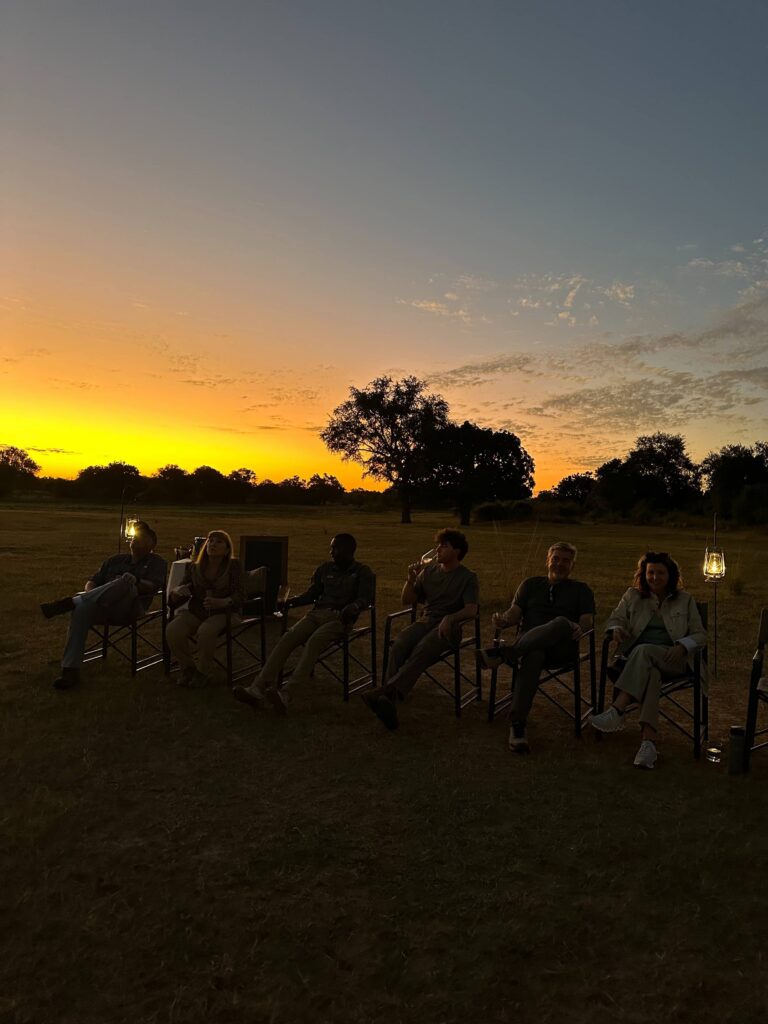
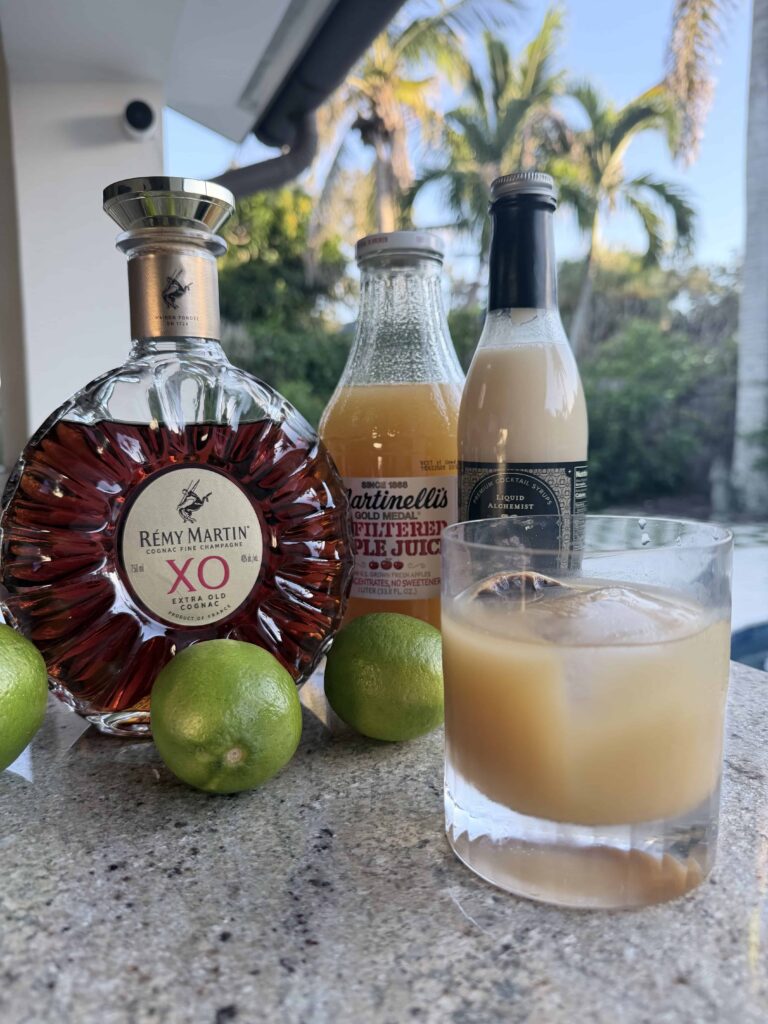
In East and Southern Africa, the sundowner is not a suggestion. It is a ritual built into the rhythm of the day. Game drives pause as the light turns amber, guides pull the vehicle somewhere with a view, and out comes a small bar: gin, tonic, something salty to snack on. For a few minutes, the entire point is simply to watch the sky change color.
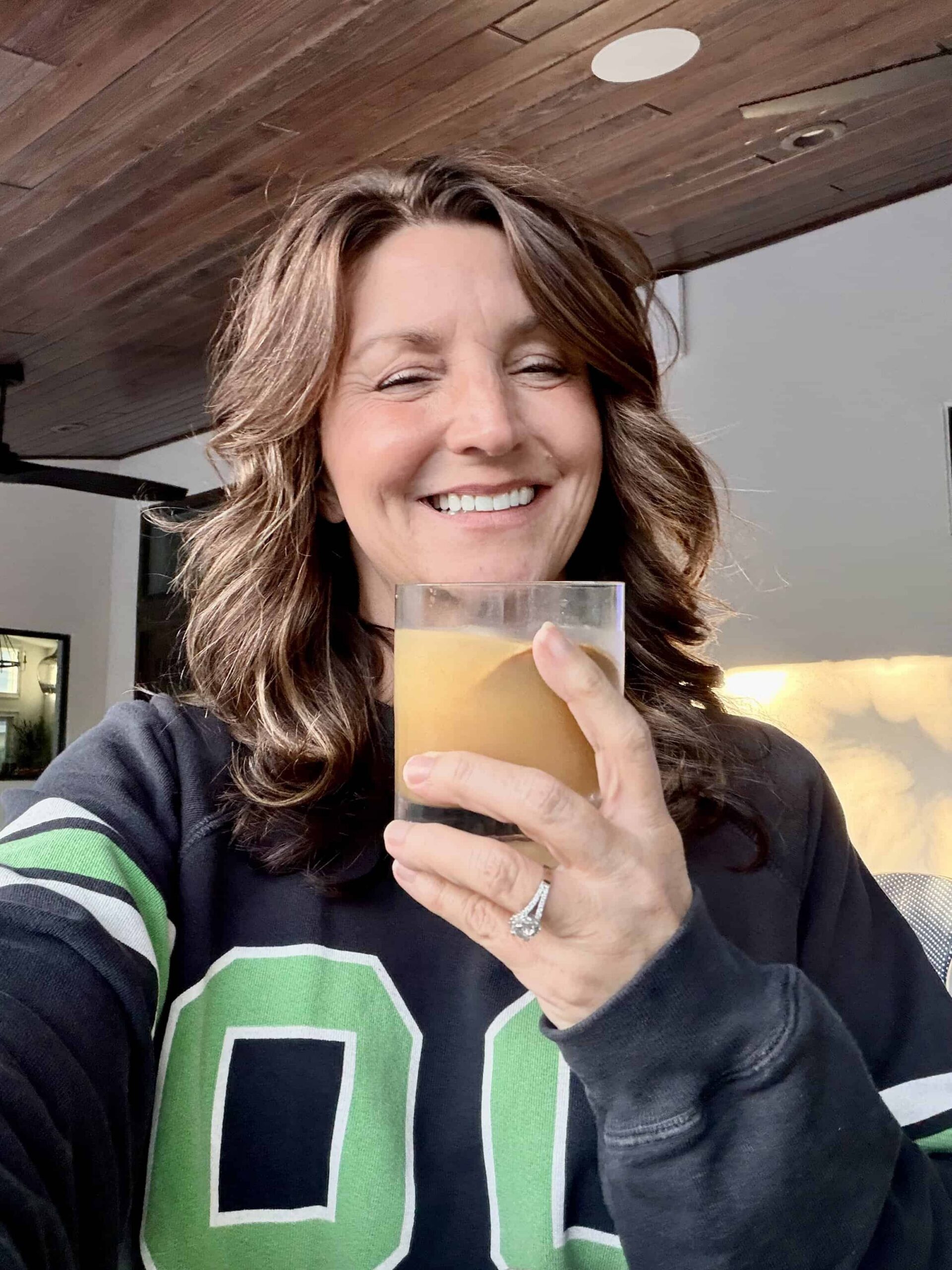
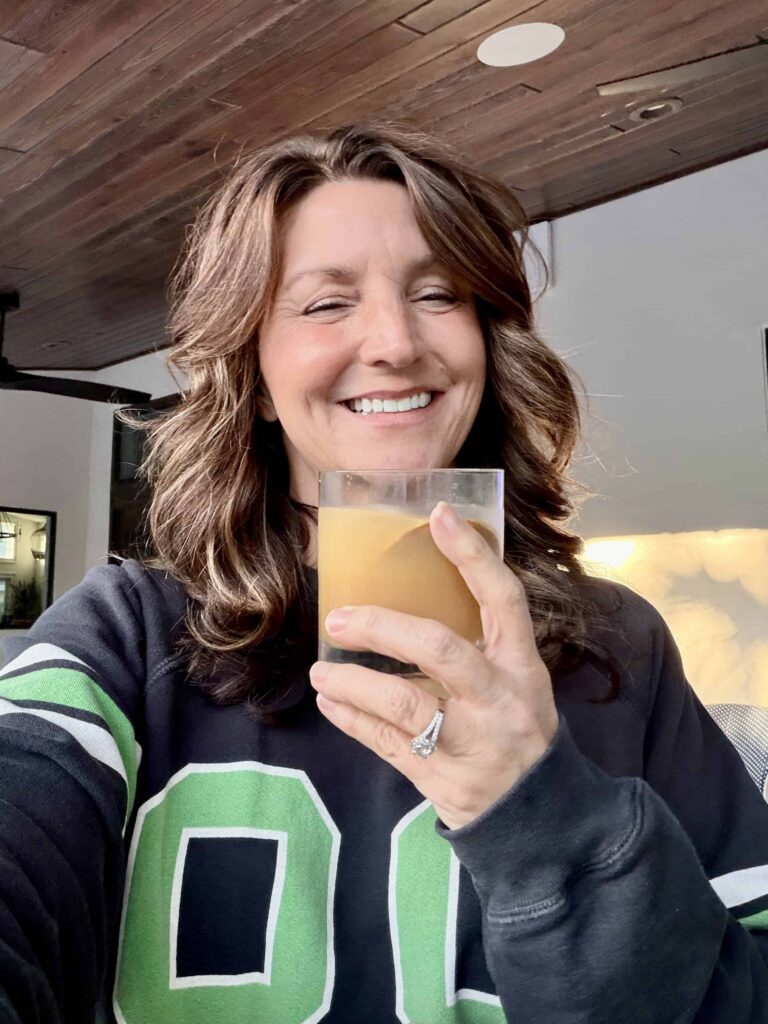
We loved this so much that we brought it home almost exactly as it was given to us. Most evenings, especially in the cooler months, we will find a spot with a view, pour something cold, and just watch the light shift. It takes fifteen minutes. It has become one of our favorite parts of the week. We send each other photos when we aren’t together.
If a safari is on your list, this is one of the smaller gifts it offers, alongside the wildlife and the guides and the stars. We wrote more about what a well-planned safari actually looks like in African Safari Misconceptions, From Someone Who’s Been, if that is a destination you are already dreaming about.
Paella, and Why We Make It Every December
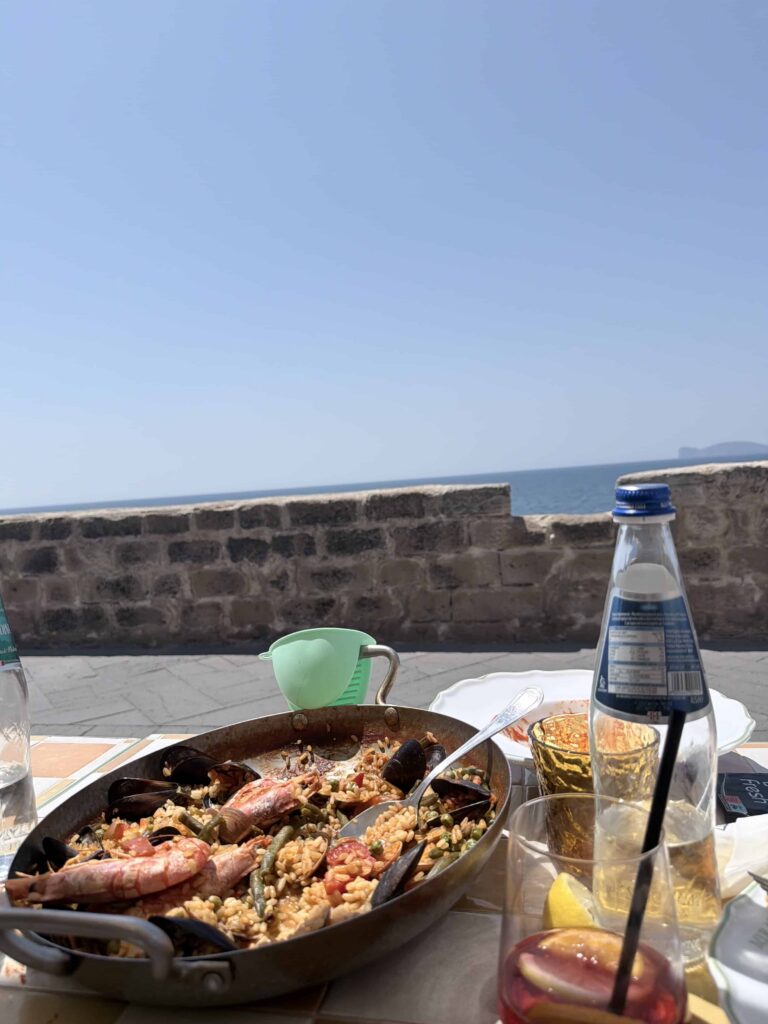
In Spain, a cooking class is rarely just a cooking class. Ours took place in a home kitchen, and the woman teaching it spent as much time on geography and history as she did on technique: why saffron grows where it does, why rabbit and snails belong in a paella from inland Spain while seafood belongs closer to the coast, why the rice itself is chosen for how much liquid it can hold without turning to mush. Food, we learned, is a map of a place as much as any guidebook.
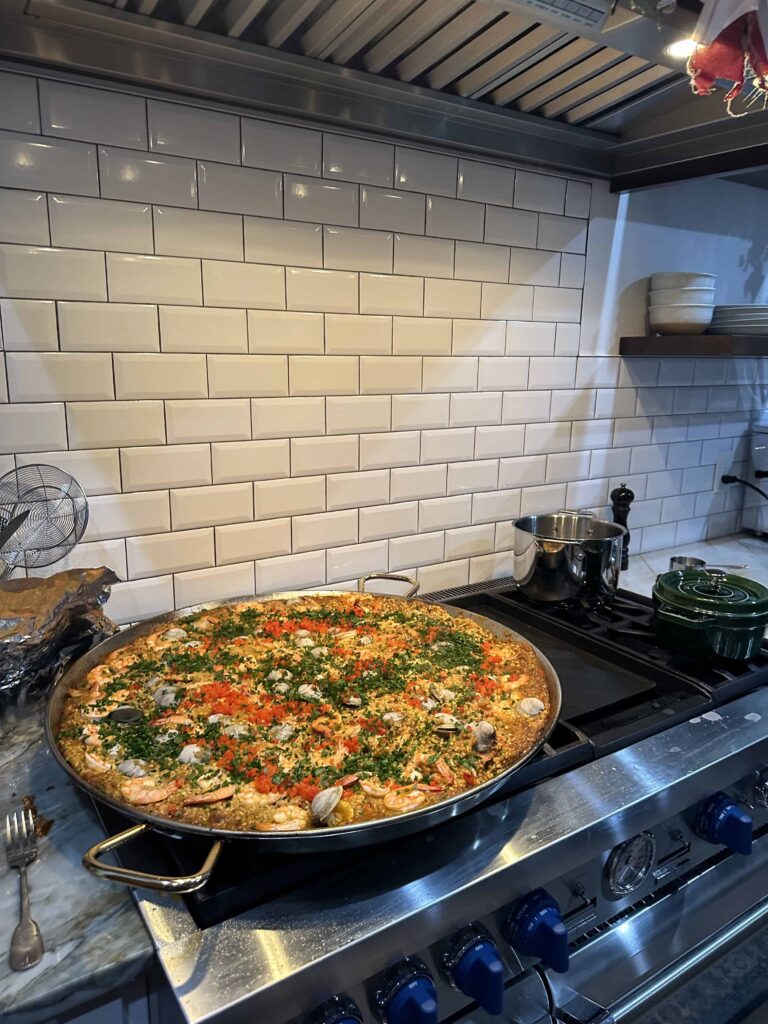
We came home and started a tradition that has nothing to do with summer and everything to do with December. Every year on the 23rd, we host a giant paella party for the friends we first met when we moved to this area, all of us gathered outside no matter the weather, plates piled with saffron rice, shellfish, and good meat. This coming year marks six years running.
It has become one of our favorite nights of the year. Everyone slows down. Everyone eats too much.
That is what a good travel habit does. It does not just recreate a dish. It recreates the feeling of a table you loved being at, and gives you a reason to build a new one.
Seaweed, Ashford Castle, and Bringing the Spa Home

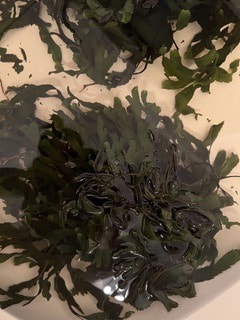
At Ashford Castle in Ireland, seaweed is not a novelty. It is a foundational part of the spa experience, worked into wraps, baths, and treatments because the coastline nearby has used it that way for generations. We left convinced it deserved a permanent place in our own routine, so we started bringing Irish seaweed home for our own spa nights.
Now, once in a while, we will draw a bath, add the seaweed, and take the same slow, unhurried approach we experienced at the spa there. It is a small ritual, but it is one of the easiest ways to bring a specific place home with you: not as a souvenir on a shelf, but as something you actually use.
Olive Oil, Wine, and the Toast That Comes With It
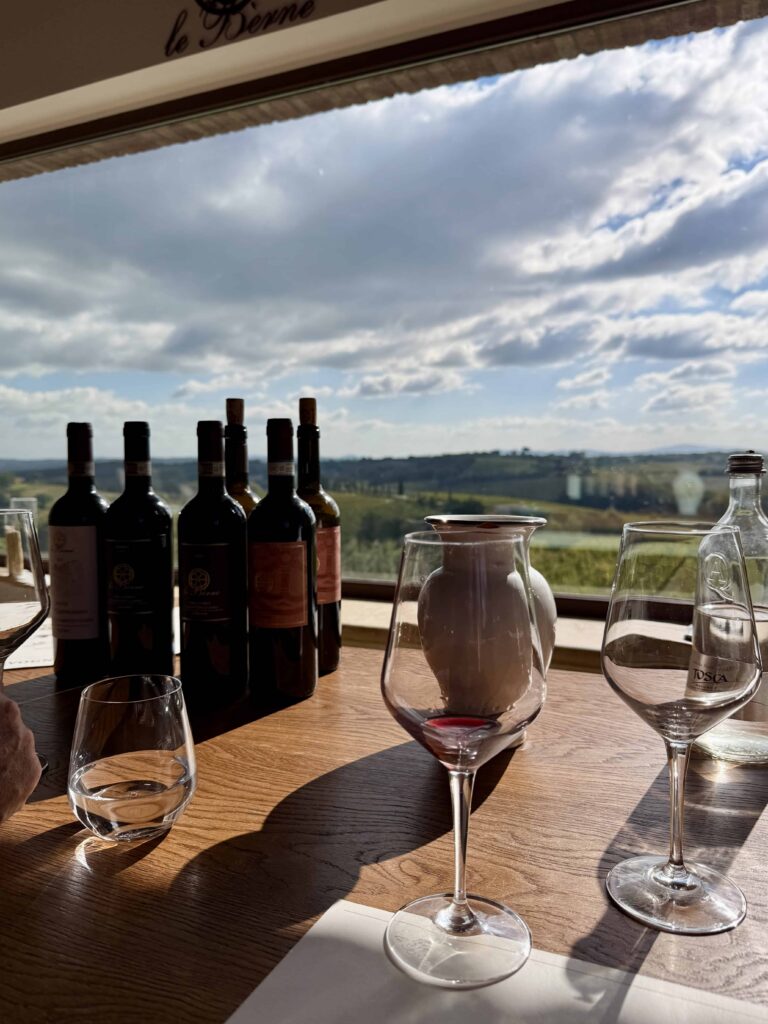
This is our most consistent habit of all. Wherever we travel, we bring home olive oil and wine, always from a specific producer, never just something grabbed at the airport.
The bottles rarely last long once we are home, and that is the point. Opening one becomes its own small occasion. We pour, we taste, and inevitably, we end up telling the story of exactly where it came from: the producer we met, the table we sat at, the person who poured our first glass. The bottle disappears, but the conversation is the part we actually keep. And we know it’s time to go back when we run out!
A Village Square on a Sunday Night
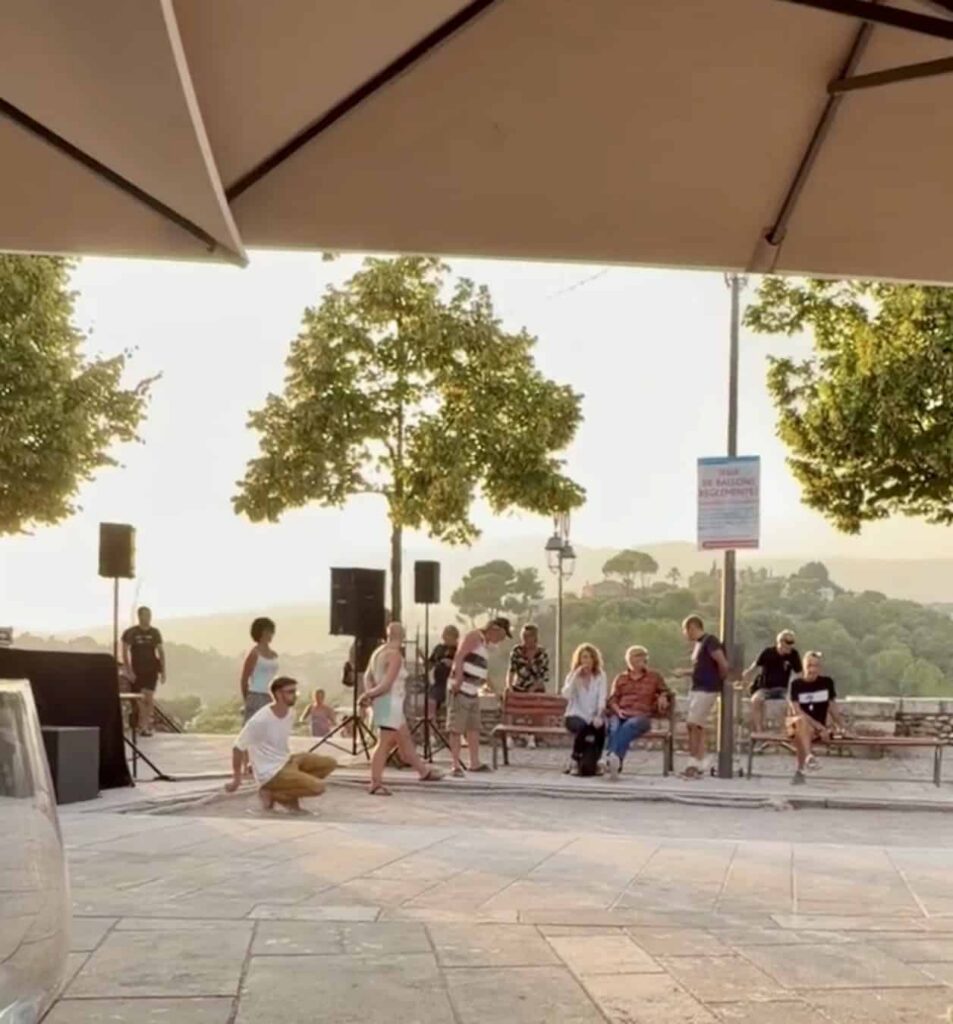
If you have ever walked through a small town in Italy or the south of France on a Sunday evening, you have probably seen it: a cluster of people in a park or piazza, tossing metal balls across the gravel, arguing good-naturedly over whose shot counts.
In Italy, it is bocce ball. In France, it is pétanque, nearly the same idea, played with a different rhythm and a smaller target ball called the cochonnet. Either way, it is one of the simplest social rituals we have ever come across. No screens, no real skill requirement, just a shared patch of ground and enough wine to make the scoring debates last longer than they should.
We brought a bocce ball set home years ago, and it has become our go-to for warm evenings once the weather turns. It does exactly what it did in that piazza: it gets everyone outside, phones down, laughing about a bad throw.
Travel Should Follow You Home
Travel is not something you do and then set aside. It stays with you, shaping how you spend an evening, what you cook, what you notice, who you become over time. Bringing travel home is not about the objects on a shelf. It is about the habits that quietly rearrange an ordinary week.
The best journeys do not end at the airport. They show up later, in a garden, at a dinner table, in the fifteen minutes you now take to watch the sky change color. That is the kind of travel we love designing: the kind you carry home with you, long after the trip itself is over.
If you are dreaming about where your next journey might take you, and what you might bring home from it, we would love to help you plan it. Start planning here.


