


African Safari Misconceptions, From Someone Who’s Been
A client once called me from a dirt airstrip in the middle of nowhere, half laughing, half panicked, asking if she’d made a huge mistake.
Then she landed. A hot towel and gin and tonic waiting for her. Linens turned down under a mosquito net that felt more like a canopy bed than camping gear, her bags waiting neatly in the corner, and a view from her tent of a herd of elephants crossing the river below.
That gap, between what people picture when they hear “safari” and what actually happens once they’re on the ground, is where nearly every question starts. Before almost every safari we plan, we get the same handful: Is it safe? How do you even get there? What do you pack? Do you need a stack of vaccines first?
We’d rather answer these honestly than let assumptions fill in the blanks. The truth tends to make people more excited for the trip, not less.
You’re Remote, But You’re Not Roughing It
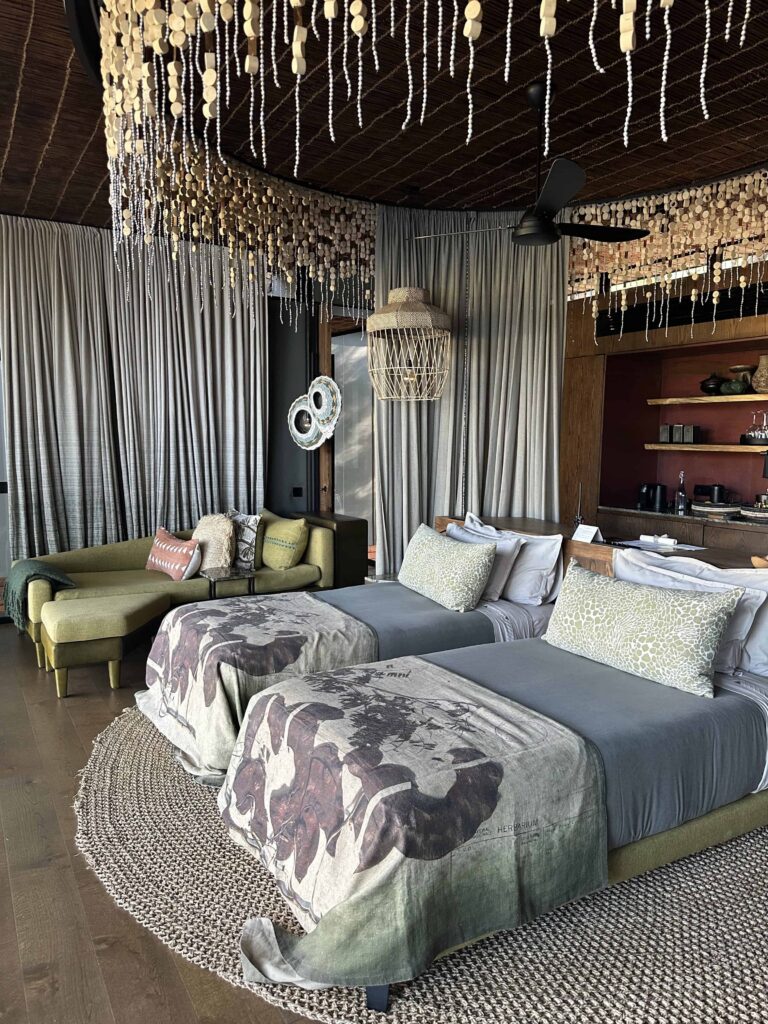
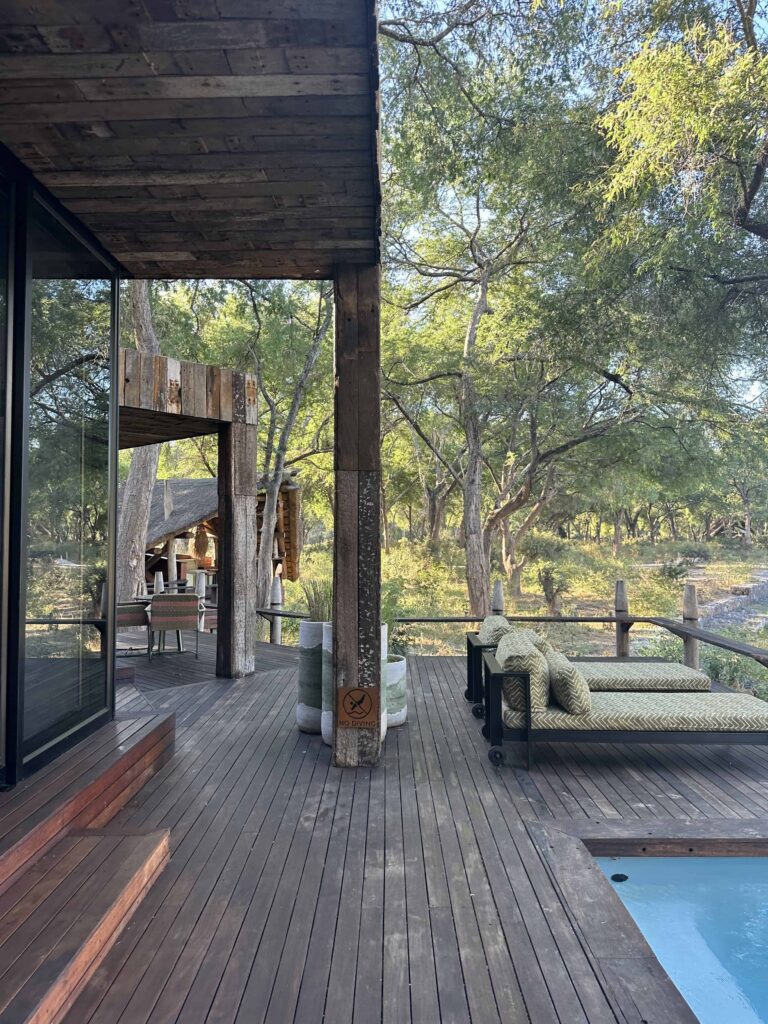
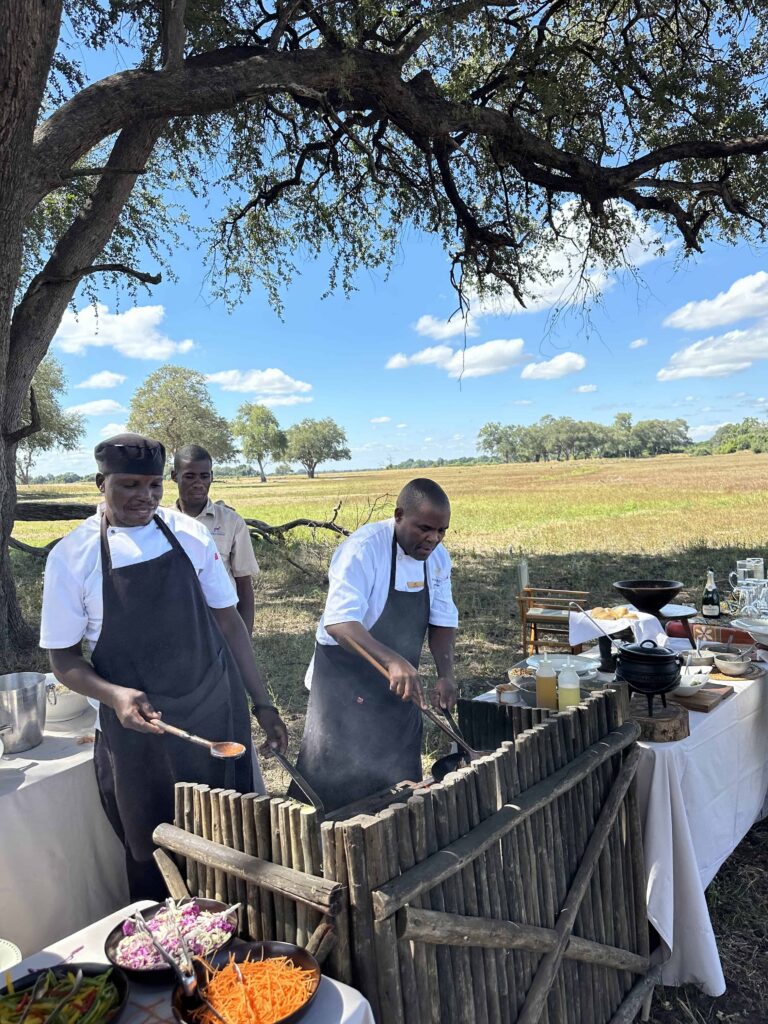
Here is the first thing to unlearn. Safari does not mean sleeping bags and cold water. A luxury African safari, the kind we build for our travelers, is remote and refined at once, which is exactly what makes it so hard to describe until you have lived it.
The camps we send our travelers to have proper beds, hot showers, full-service dining, and staff who somehow know what you need before you ask. Some “tented camps” are built on permanent foundations, with high-quality canvas walls and multiple rooms, offering the same comforts you would expect from a traditional lodge.
You are genuinely far from anything resembling a city. You are not far from being comfortable.
Wait, How Do You Even Get There?
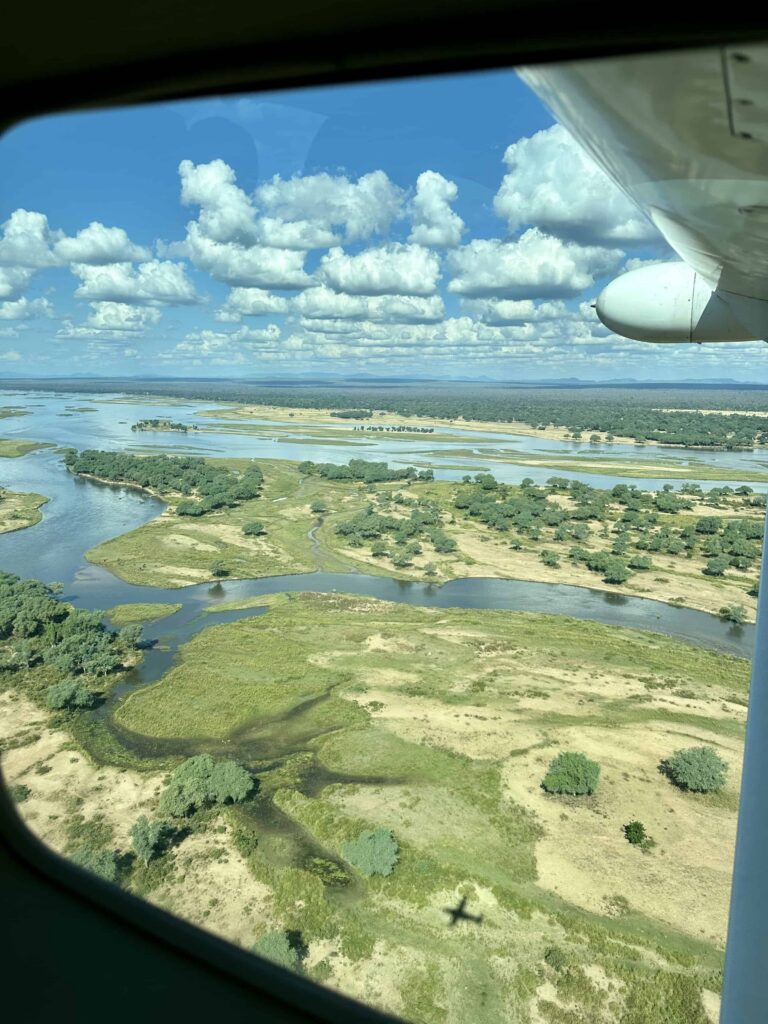
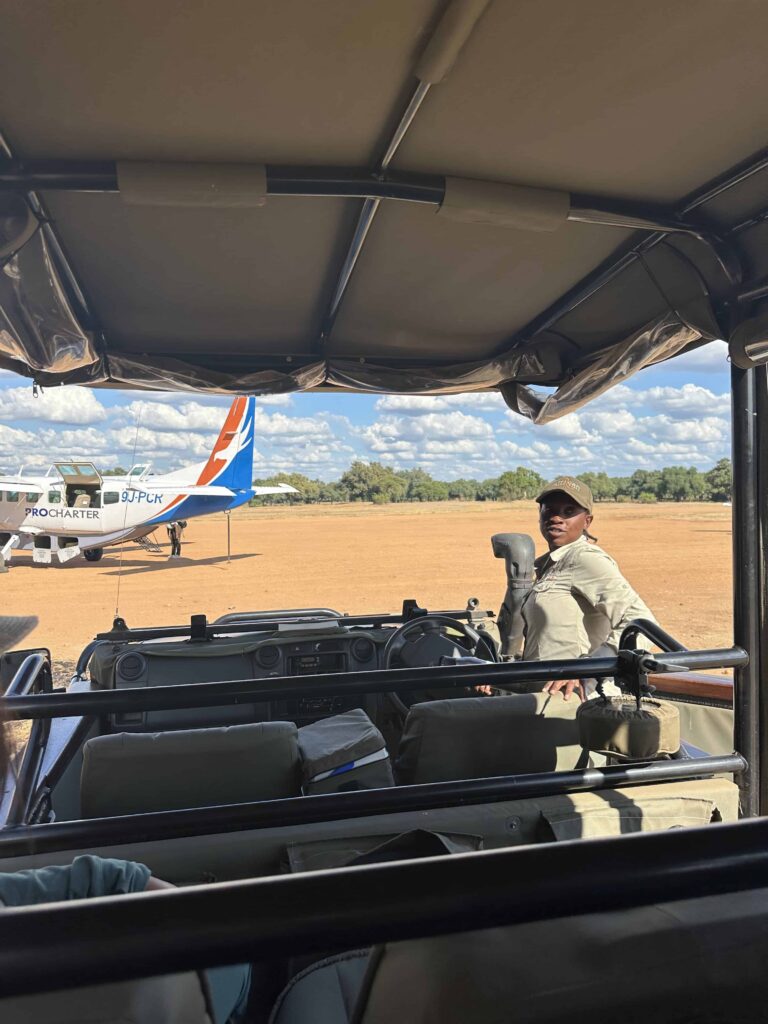
This is the one that catches people off guard. Safari parks are spread across enormous, remote stretches of land, and most of them simply are not reachable by commercial flight or paved road.
That six-seater we landed in was not an upgrade or a splurge. It was the only way in.
Getting between camps usually means a small charter plane, sometimes carrying six to twelve people, landing on a dirt airstrip that exists purely for that purpose. It sounds like an adventure because it is one, and it is also completely normal and safe, run by pilots who fly these same routes constantly.
Is It Actually Dangerous Out There?
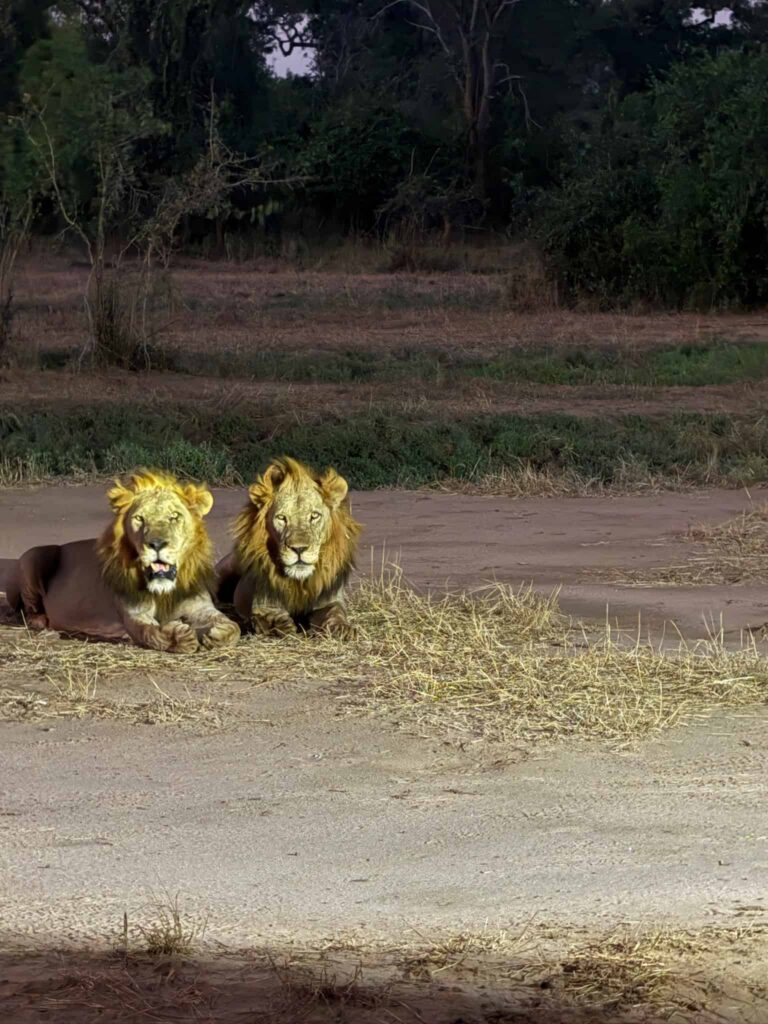
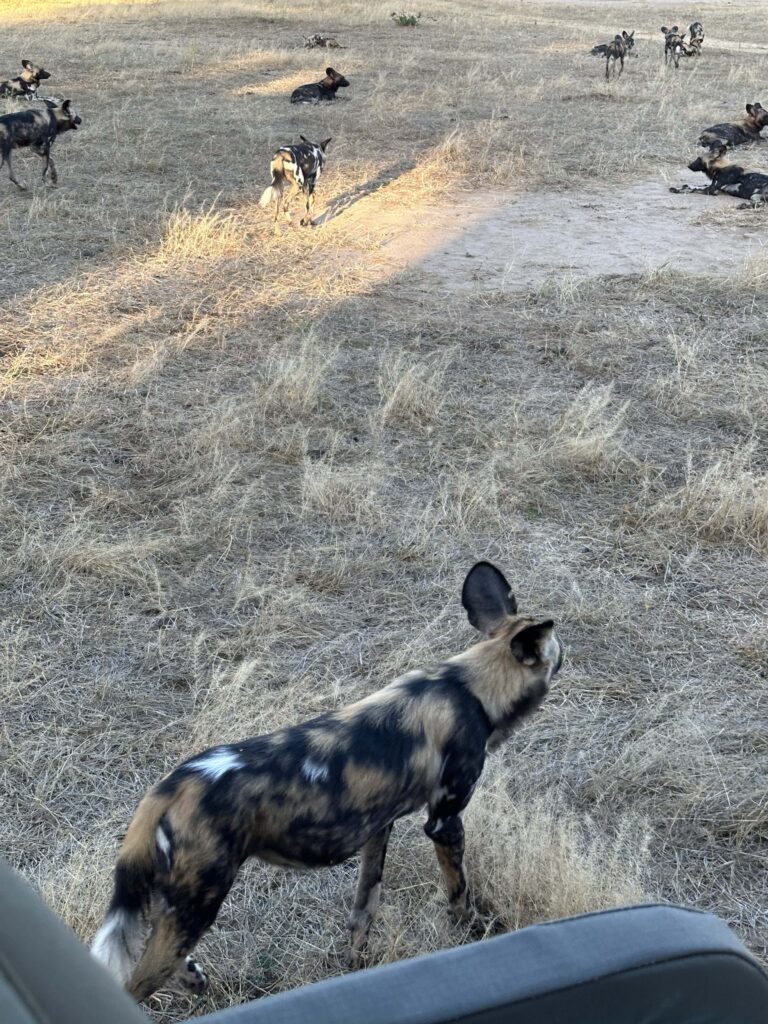
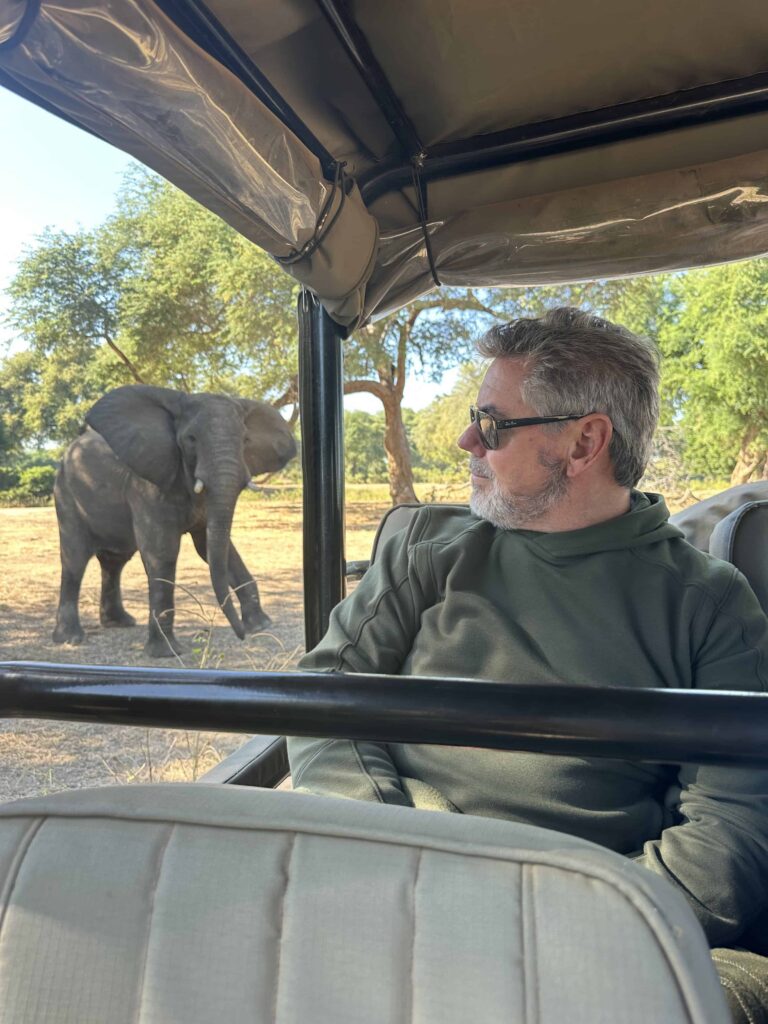
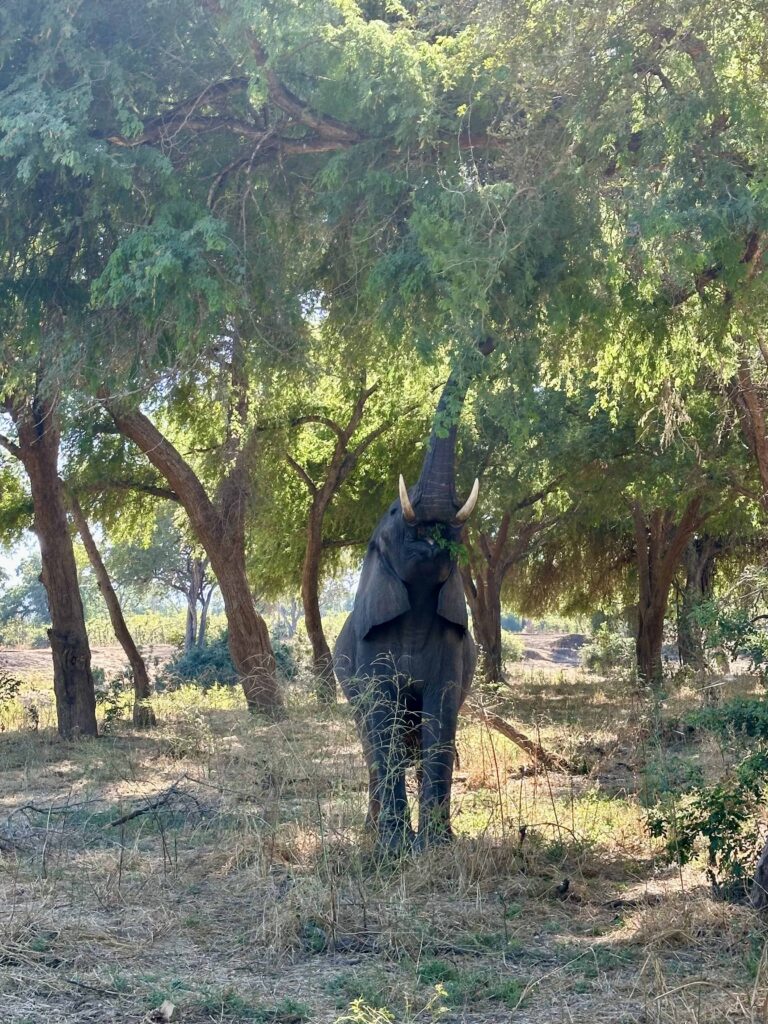
Every traveler asks some version of this, usually after seeing a photo of a lion twenty feet from a vehicle.
Here is what the guides will tell you, and what we have seen firsthand. A vehicle full of people reads to a lion the same way an elephant does: too big, too strange, and not worth the energy it would take to challenge. On foot, alone, that same lion sees something very different. In a vehicle, with an experienced guide, you are simply not on the menu.
This is exactly why the guide matters as much as the destination. The camps we choose employ guides who have spent years, often a lifetime, reading these animals and these landscapes, prioritizing the animals’ wellbeing as much as the sighting itself. That kind of experience, built on skill and respect rather than luck, is what makes it feel thrilling instead of reckless.
Why Some Camps Won’t Tell You Where the Leopard Is
Here is a detail most people never think to ask about. Not every park handles wildlife sightings the same way.
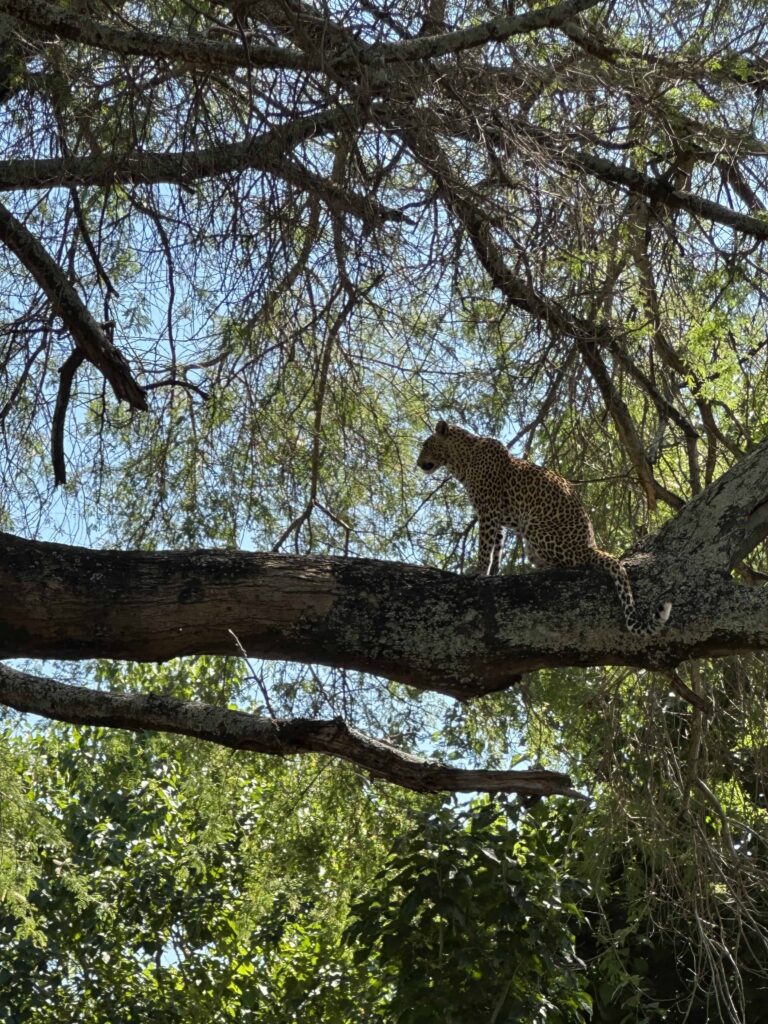
At one park we visited, guides from every camp shared sightings freely over the radio. See a leopard, and every vehicle in the park knows within minutes. At another, guides only shared sightings with others from their own camp.
The second approach is not secrecy for its own sake. It protects the animal’s space and keeps a single sighting from turning into forty vehicles circling one exhausted lion, which happens in parks with looser rules.
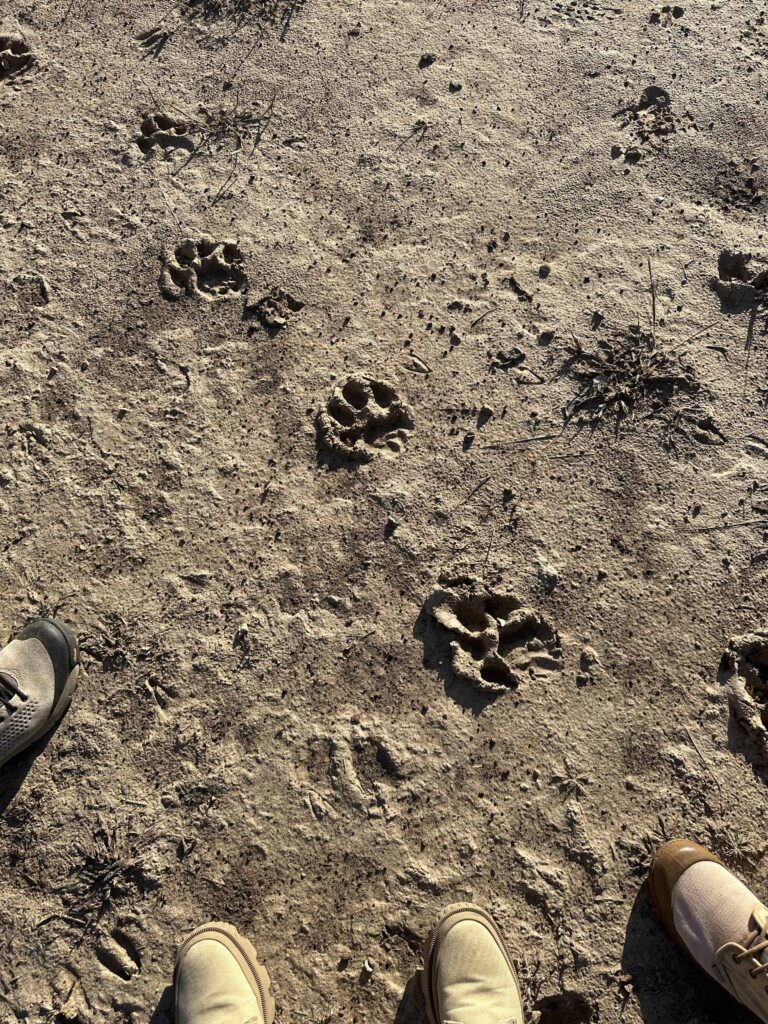
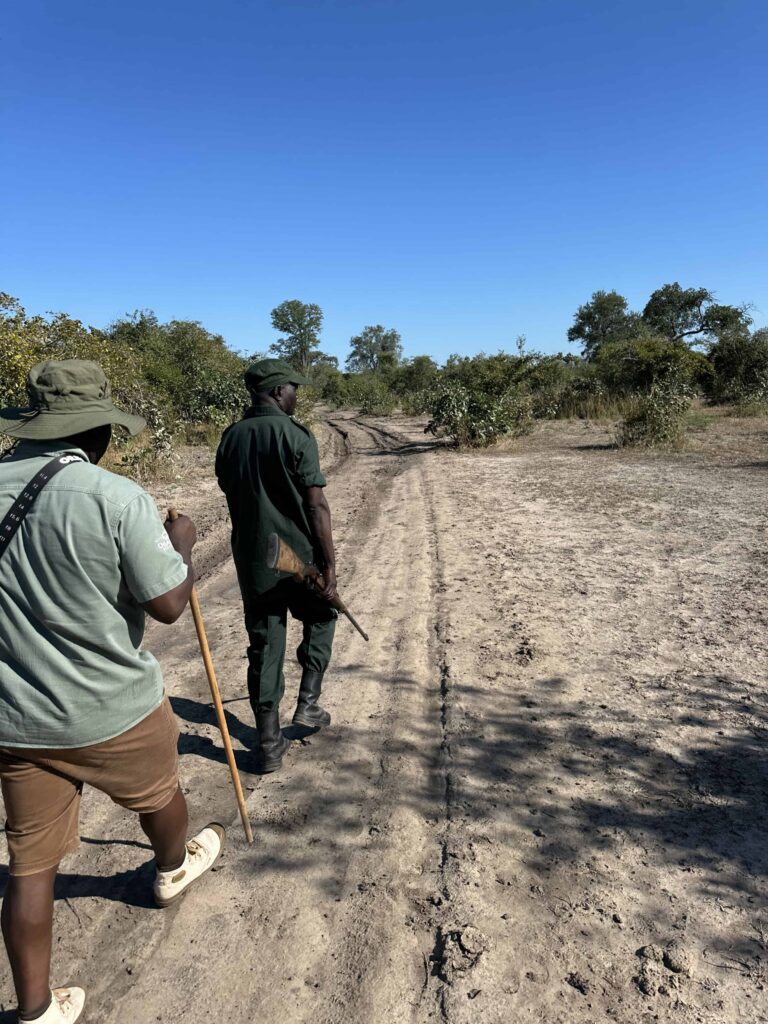
At one of those quieter parks, we spent an hour and a half following tracks left earlier that morning instead of waiting on a radio call. No shortcut, no guarantee, just paw prints in the dust and a guide who knew exactly how to read them. They led us straight to a pride of lions. And the feeling from finding them ourselves was exhilarating and well worth the effort.
It doesn’t happen that way every time, and that is part of what made it feel earned. There was something almost historical about it, tracking an animal the way people have for generations, long before anyone carried a radio at all.
It is one of the ways we evaluate a park before we recommend it: how much does this place actually protect the animals it is asking guests to come see?
What to Pack (And What to Leave Home)
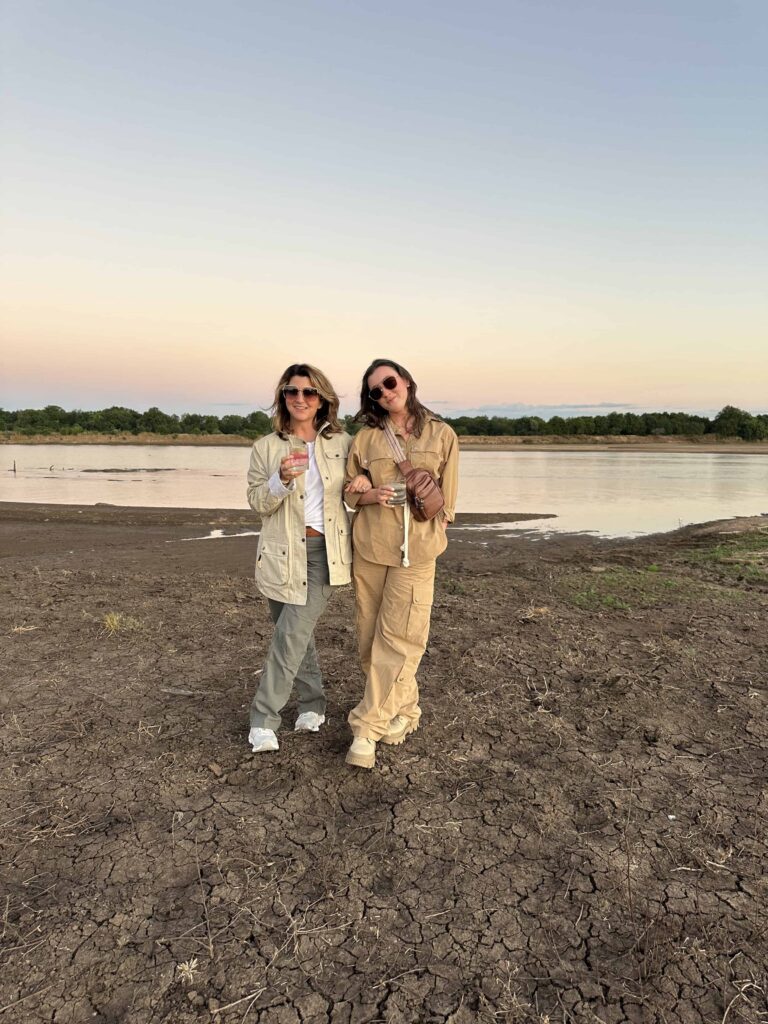
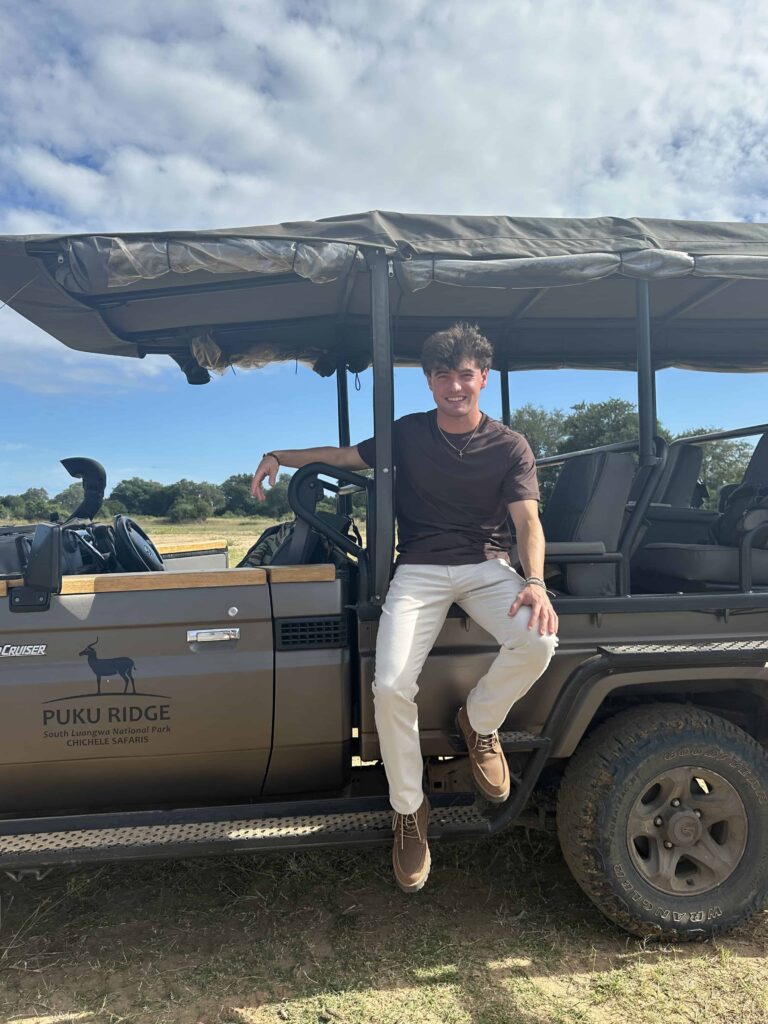
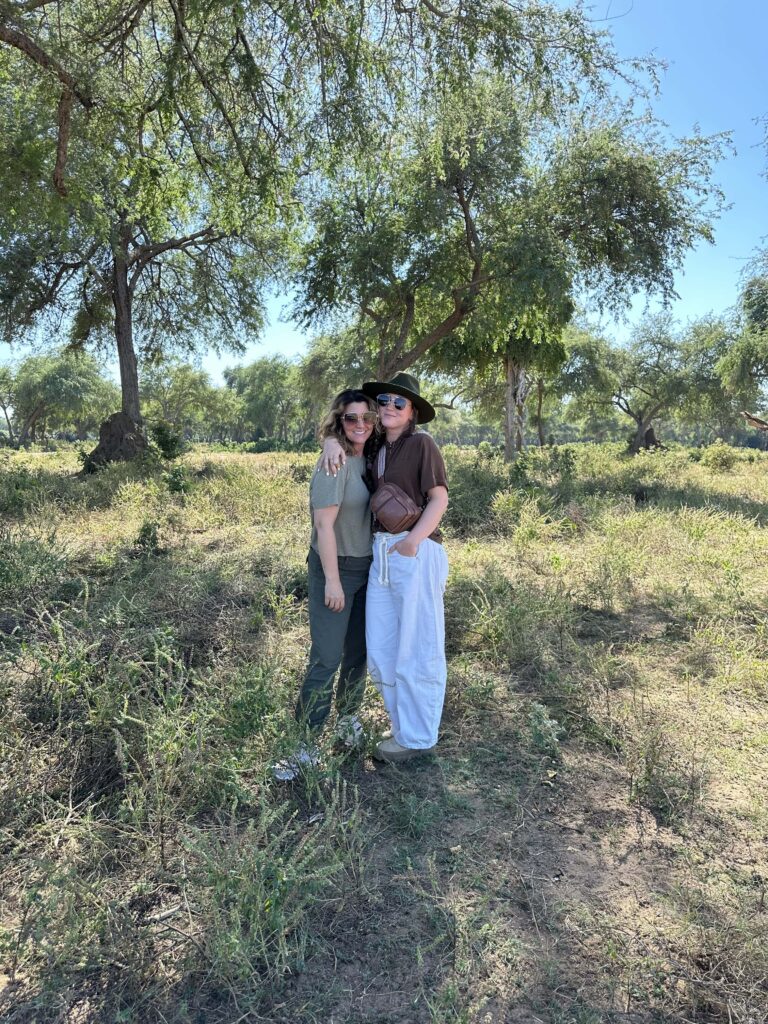
Once the excitement sets in, packing is usually the next worry, and the list is much shorter than people expect.
Bring a soft-sided duffel bag, not a hard-shell suitcase. Charter flights have limited cargo space built for bags that fold and compress, with weight limits often around 33 pounds per person.
Stick to neutral colors: khaki, olive, tan, stone. Dark blue and black attract biting insects, such as tsetse flies, in parts of East Africa, and bright colors can startle wildlife. Leave the perfume and cologne at home too. Strong scents can unsettle animals during a close sighting and draw the attention of insects you would rather avoid, and in an open vehicle, everyone else notices it as much as the wildlife does.
We walk every traveler through exactly what to bring before they pack a single bag, down to the layers for a cold morning drive and the fabric that will actually hold up to the dust. Safari style has its own uniform, and it can be as considered as anything else in your closet: neutral tones, natural fabrics, pieces that layer well and photograph beautifully against that landscape. Here is the detail that changes everything: most camps handle laundry daily, often at no extra cost, so a week-long safari rarely needs more than a handful of well-chosen, mixable pieces.
Do You Need a Bunch of Vaccines?
Less than most people assume. Safari travel does not typically require an extensive vaccine list, though the right precautions depend on your itinerary and health history, which is exactly the conversation worth having with your doctor or a travel medicine clinic a few months before departure.
Malaria prevention usually comes down to a daily or weekly pill, prescribed based on where you are headed and when. We always leave this one to your physician, but we make sure every traveler knows to start that conversation early, not the week before departure.
What a Day on Safari Actually Looks Like
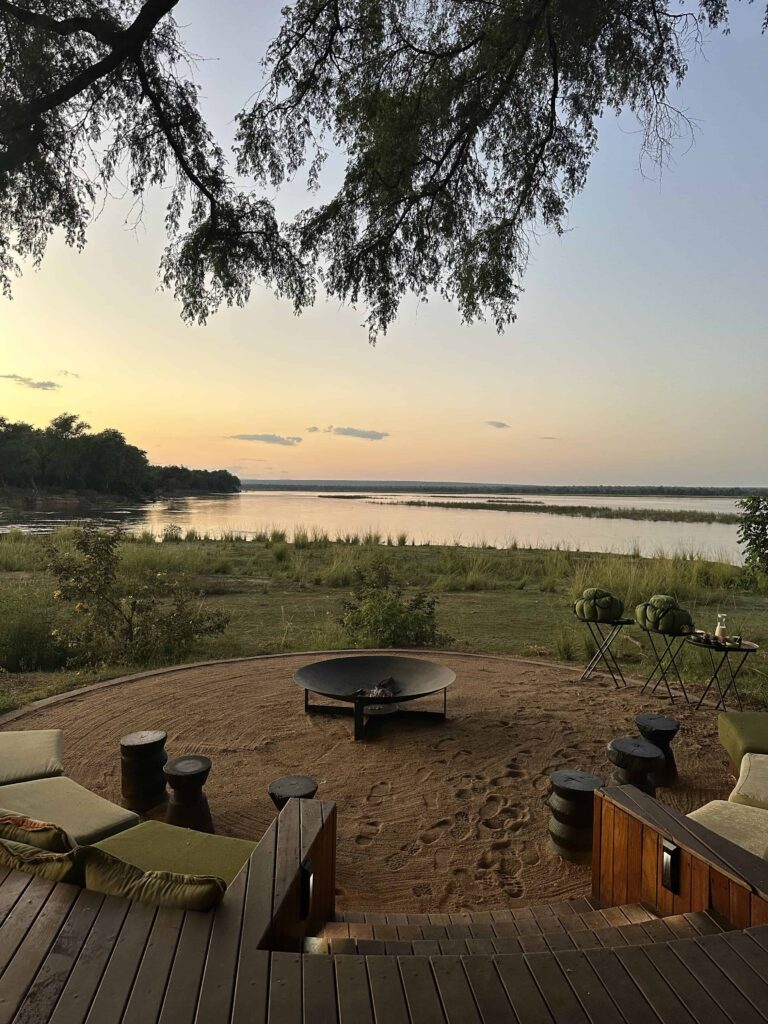
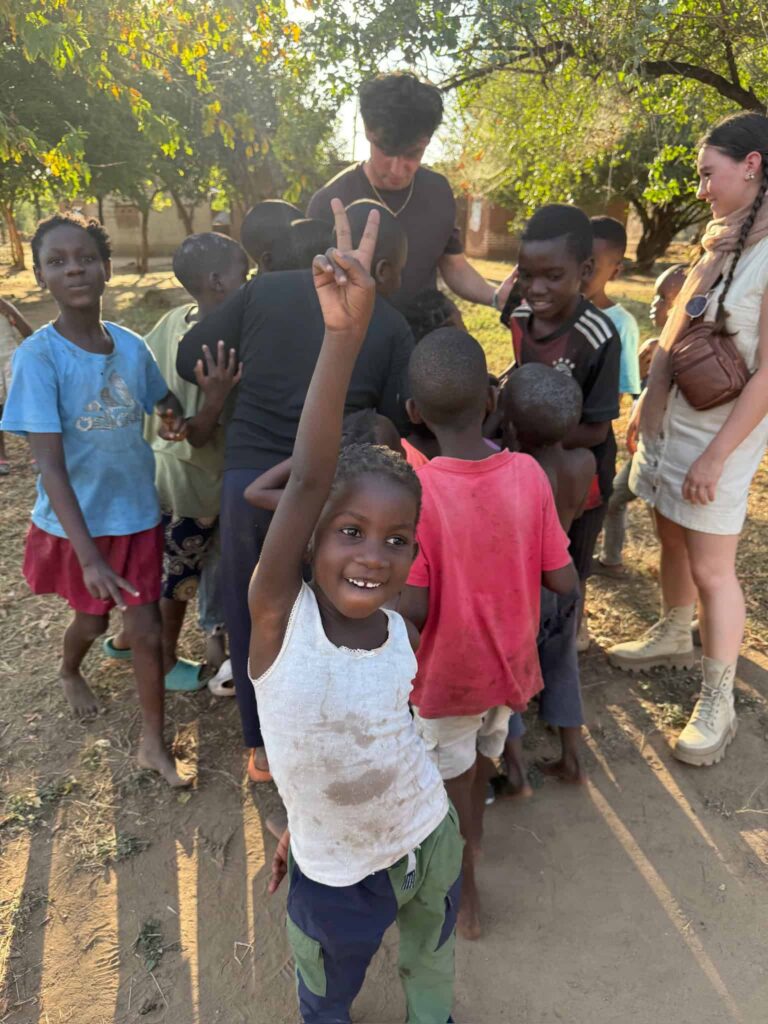
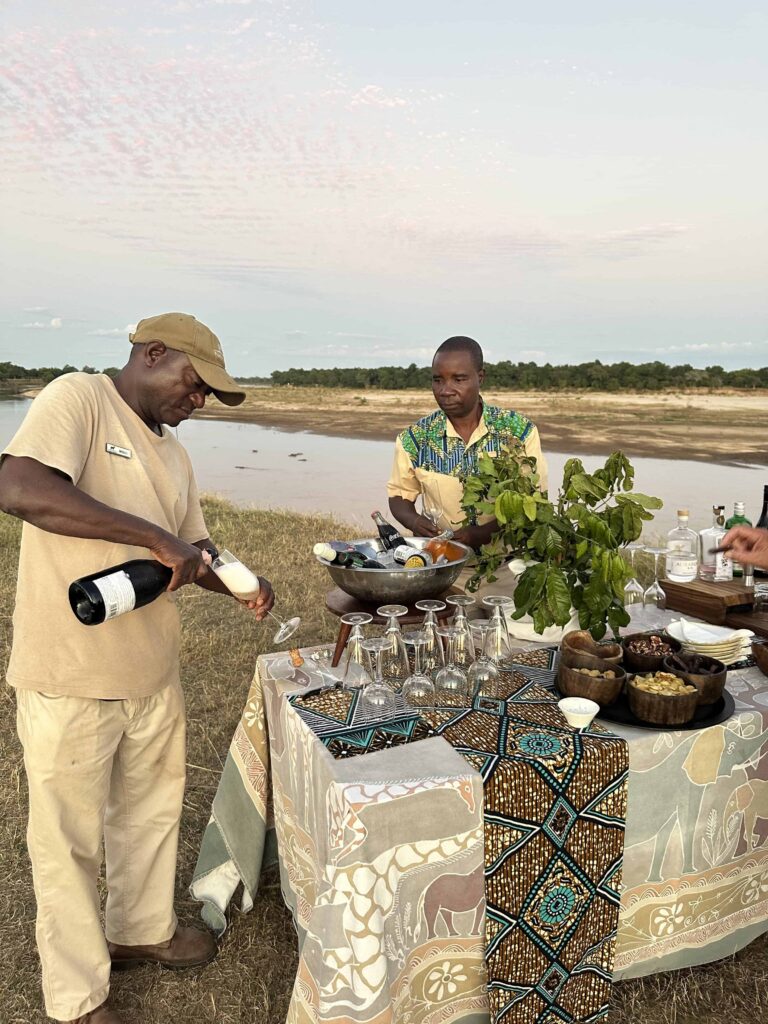
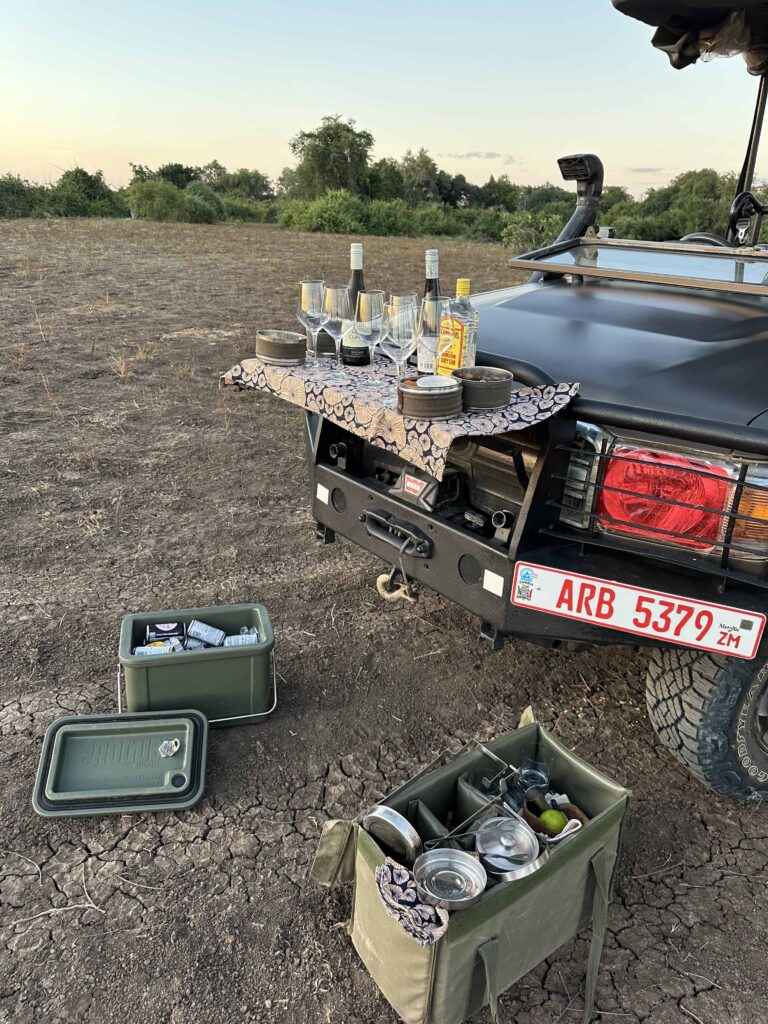
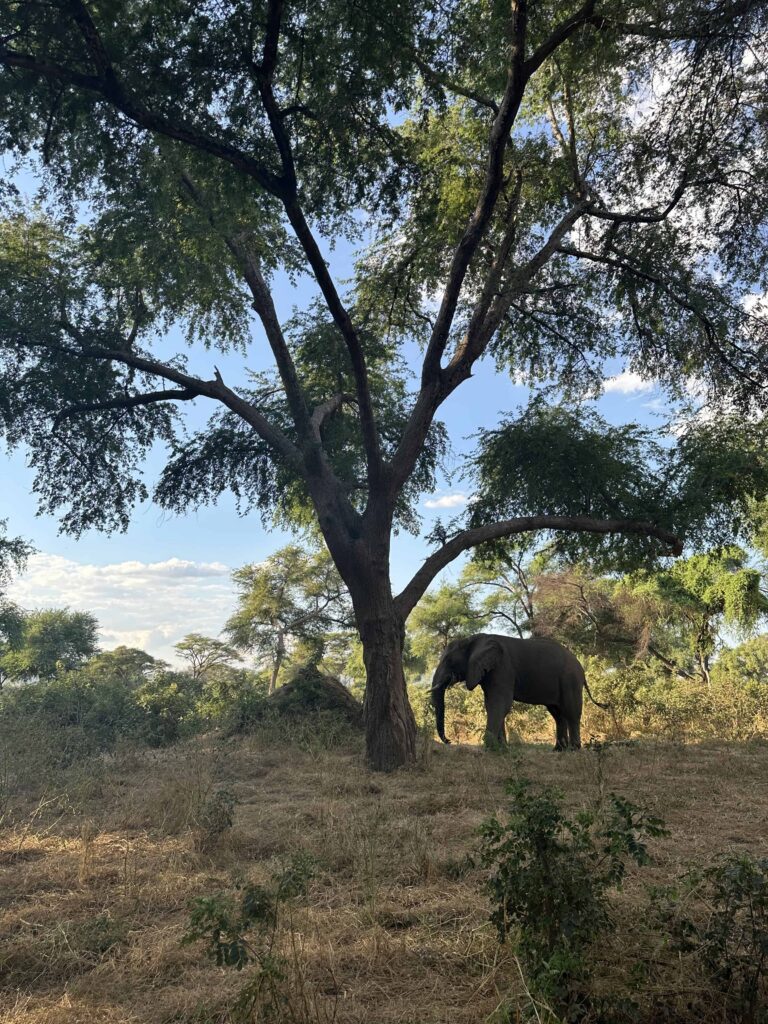
People picture a safari as constant motion. In reality, it has a rhythm, and once you know it, the pace starts to feel like part of the appeal rather than something to get through.
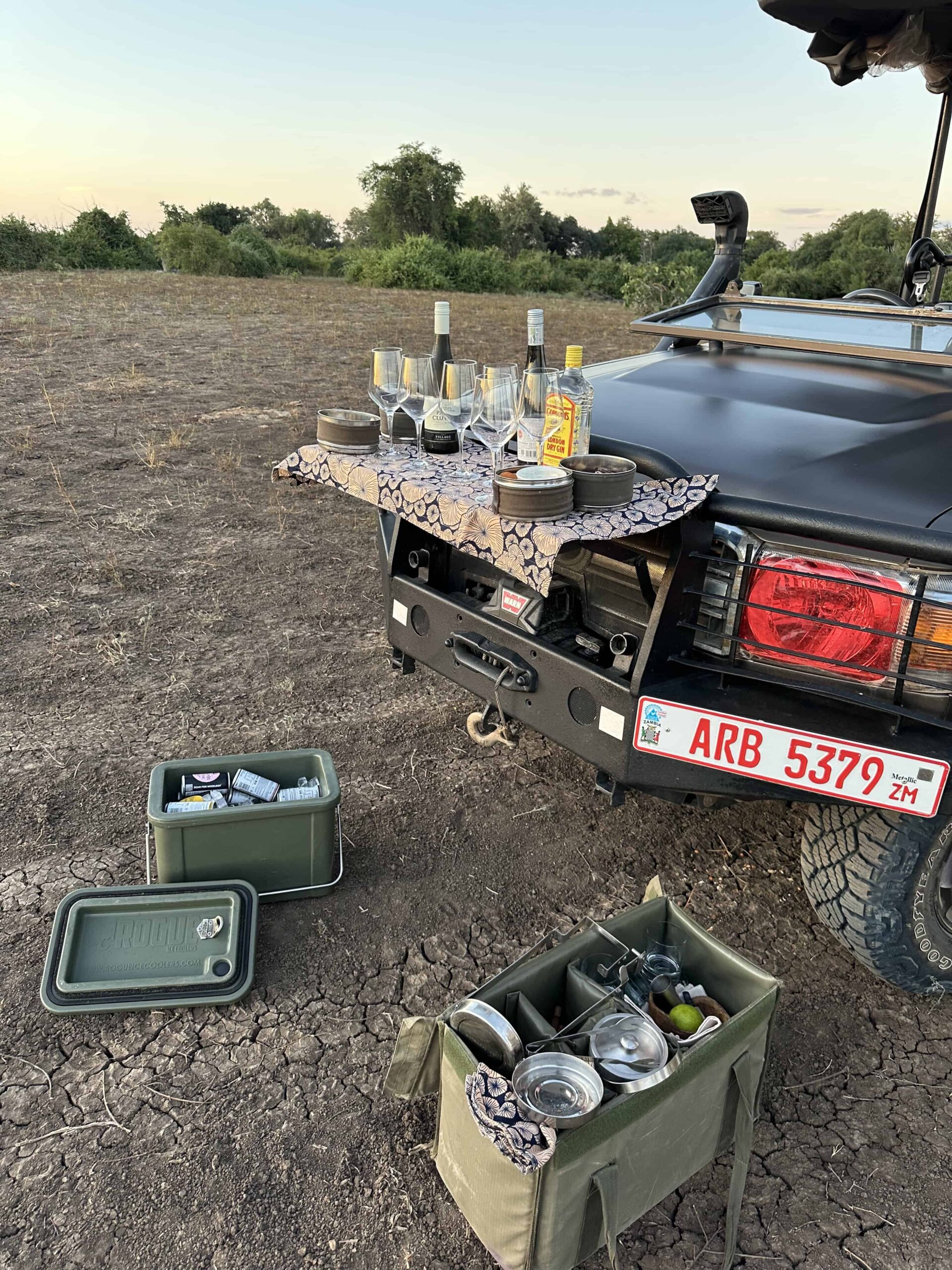
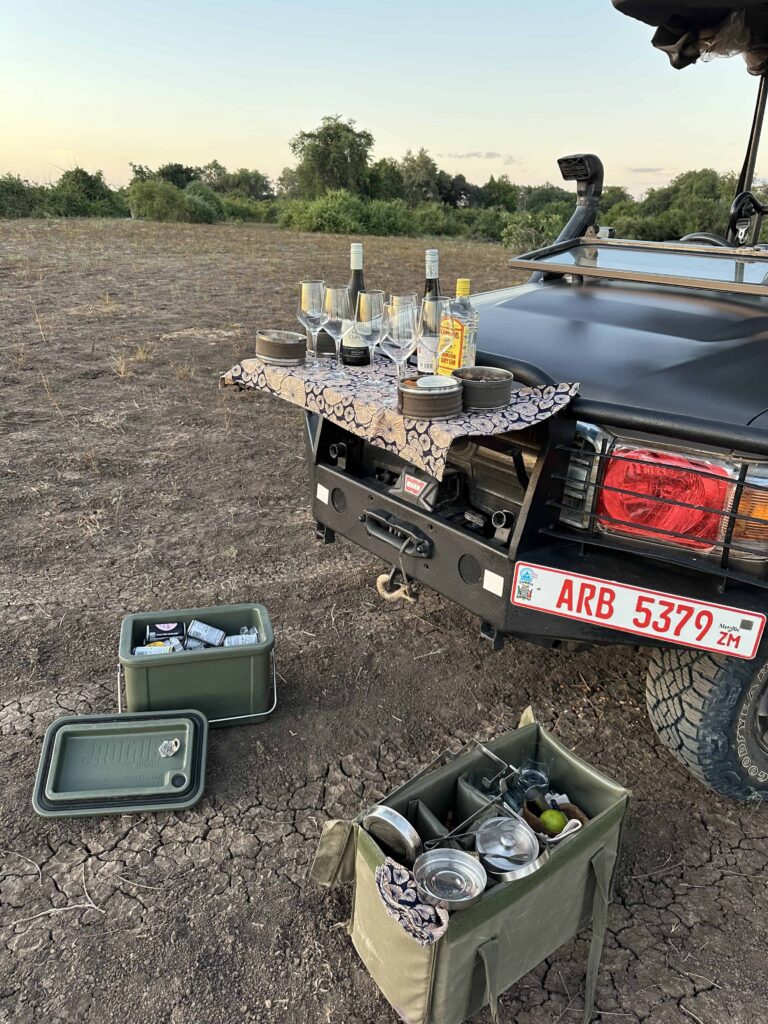
Call time is usually around 5:00 to 5:30 am, with the vehicle pulling out by 6:00 am, because early morning is when the animals are most active. A quick coffee or light breakfast comes first, then you’re out on the game drive while the light is still soft. Partway through, the vehicle stops, and your guide sets up coffee and a snack right there in the bush. You step out, stretch your legs, and take in the landscape from ground level. It is one of those small moments that end up being among the best.
You come back for a proper breakfast or lunch, and the middle of the day is yours: a nap, the pool, or simply doing nothing at all.
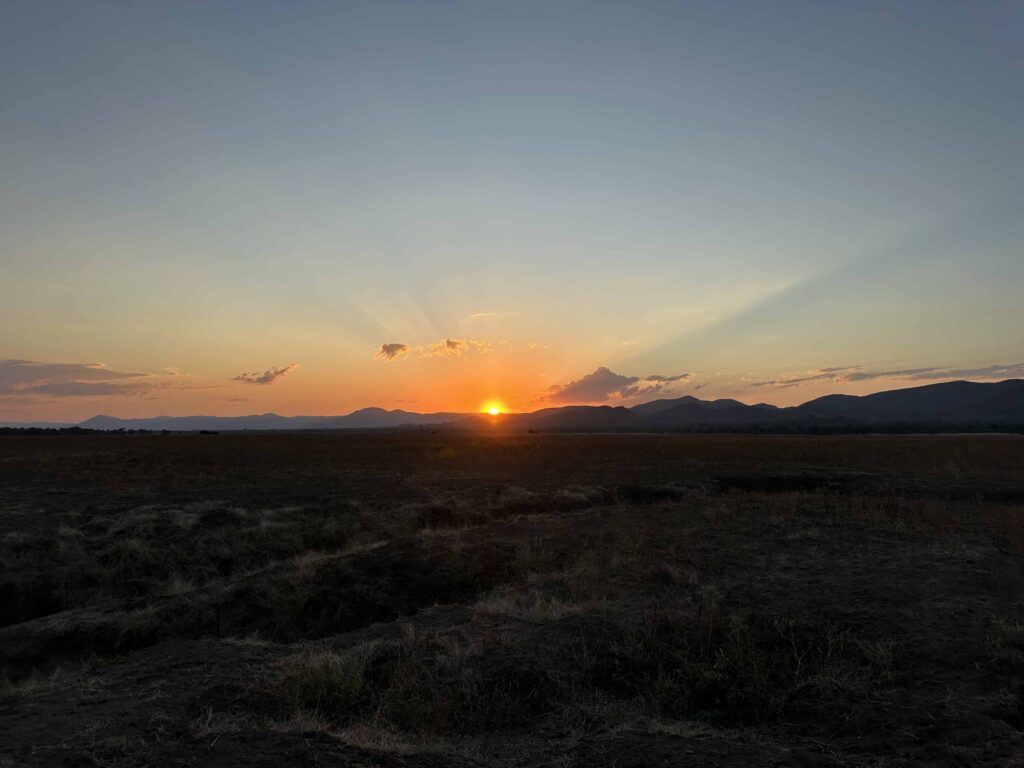
Late afternoon brings a second outing, and this is where the day varies most from place to place. It might be another game drive, a boat safari or canoe trip if you are near water, a walking safari where you learn to read tracks on foot, or a visit to a nearby village. As the sun starts to drop, the vehicle pulls over for sundowners: a proper drink in hand, watching the sky change color over the plains. It is one of the moments guests talk about most once they are home. Dinner and drinks follow back at camp.
Everything is included: meals, drinks, alcohol, all of it. There is nothing to sign for and nothing to plan around.
Here is the honest part. A safari involves a good deal of sitting, watching, and waiting, and that is not a flaw; it is the nature of wildlife on its own schedule. It is also part of why you are not wandering the property on your own the way you might stroll a city street. And yes, when nature calls out on a drive, your guide finds a safe, private spot and you learn quickly that a bush bathroom is simply part of the experience, one more thing that turns out to be more amusing than awkward. Out here, that stillness is what the whole experience is built around.
What Changed for Us
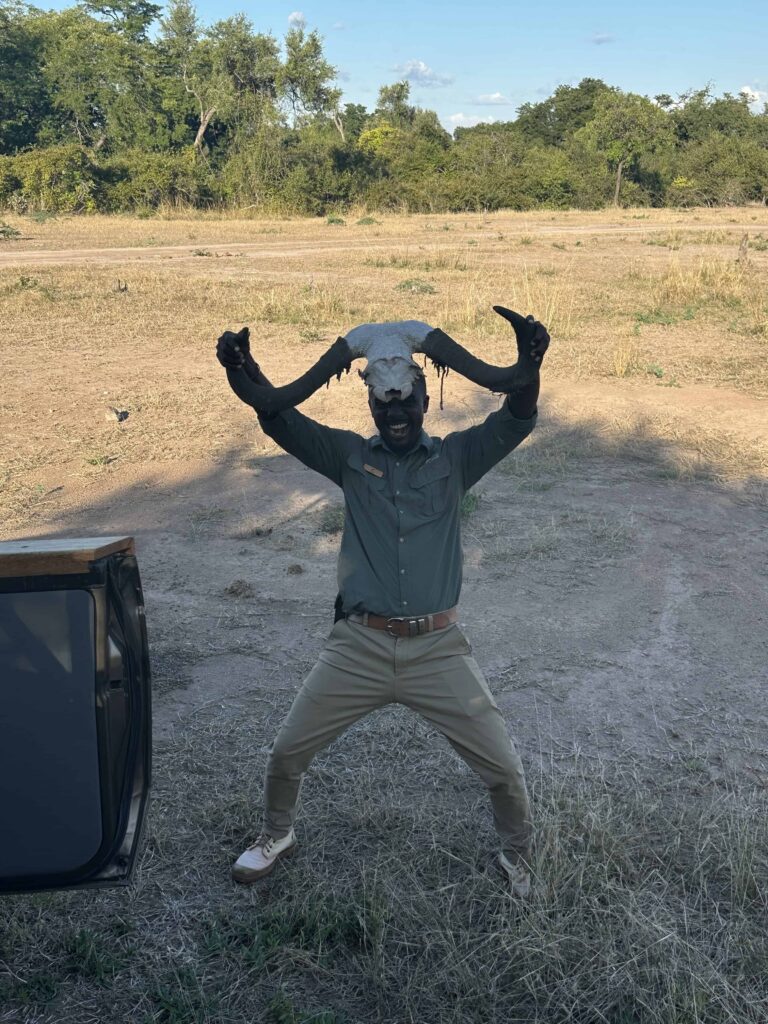
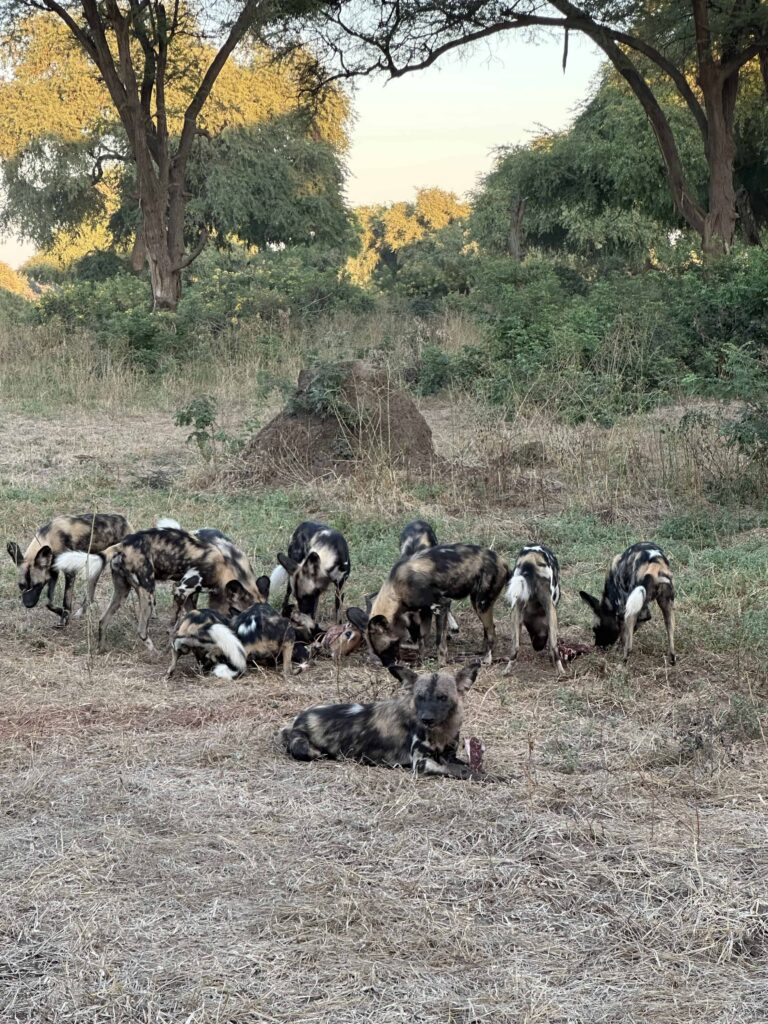
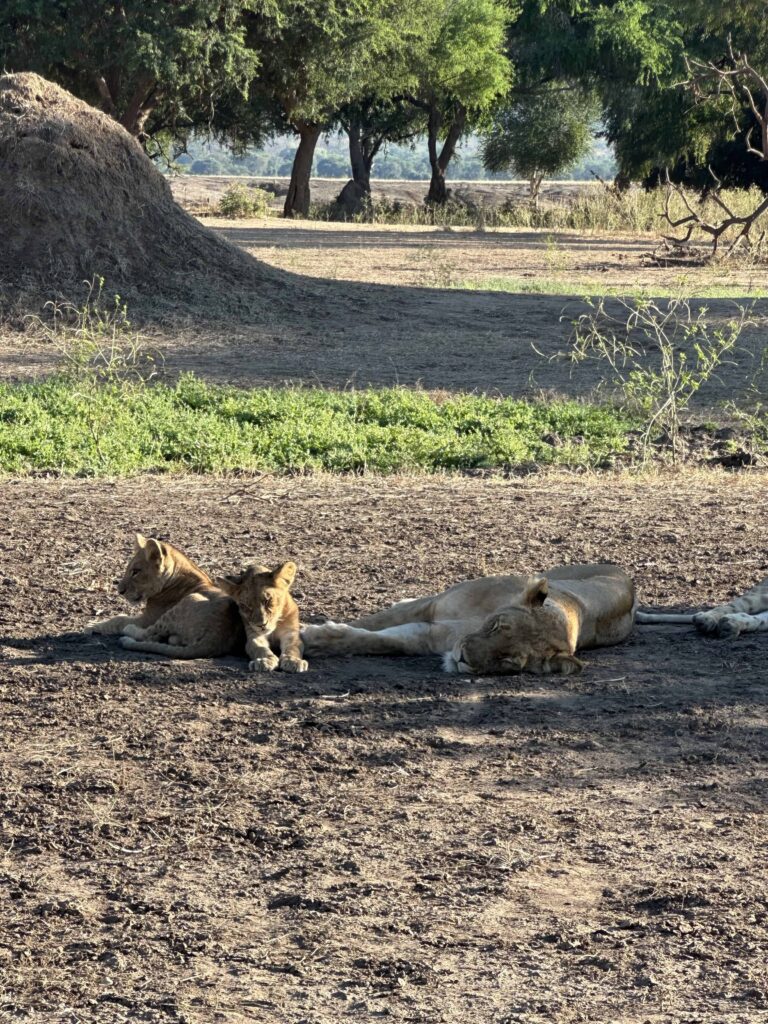
Nothing quite prepares you for the real thing. You can watch every wildlife documentary ever made, and it still does not compare to sitting in an open vehicle a few yards from a lioness catching her breath after a hunt.
There is a rawness to it that a screen cannot carry. The circle of life stops being a phrase and becomes something you watch unfold before you, and it is humbling in the best way. We are used to thinking of ourselves as the ones in charge of the food chain. Out there, you are reminded there are still other predators, still a natural order that has nothing to do with us at all.
It puts everything back into perspective. The pace of daily life feels very far away. And the people- guides, trackers, camp staff- were some of the warmest and most generous we have ever spent time with.
It was the most remote we have ever felt, and somehow the most looked after we have ever been. Luxury and wilderness, together, in a way that is genuinely hard to describe until you have lived it. I can only describe a safari as the first and only time my mind, my heart, and my soul have been in perfect harmony.
Planning Your Own African Safari
If any of this shifted the picture in your head of what a safari actually feels like, that is exactly the point. We, my husband Josh and I, are hosting a small come-with-us journey to Africa in May 2027, gathering a handful of couples for the same luxury safari experience we have described here. We are currently 3 couples, and we have room for 2 more.
The itinerary moves through three remarkable properties. Three nights at Puku Ridge in South Luangwa, Zambia, known for some of the most rewarding walking safaris on the continent. Four nights at Matetsi, set along the Zambezi River in Zimbabwe, close enough to Victoria Falls to see it for yourself. And ends with three nights at Pamushana Lodge in Zimbabwe’s Malilangwe Wildlife Reserve, a private conservancy home to black rhino and impeccable local hospitality. Each stop offers its own rhythm of game drives, wildlife, and downtime, strung together so the trip builds rather than repeats. The camps are connected through private charter flights to ensure the utmost ease and comfort.
We are accepting travelers via inquiry to ensure the group is the right fit before a single spot is confirmed. You can find the full itinerary and pricing here.
Whether you would like to be considered for this trip or build a safari entirely your own, we would love to help you think it through. Get in touch here.


