

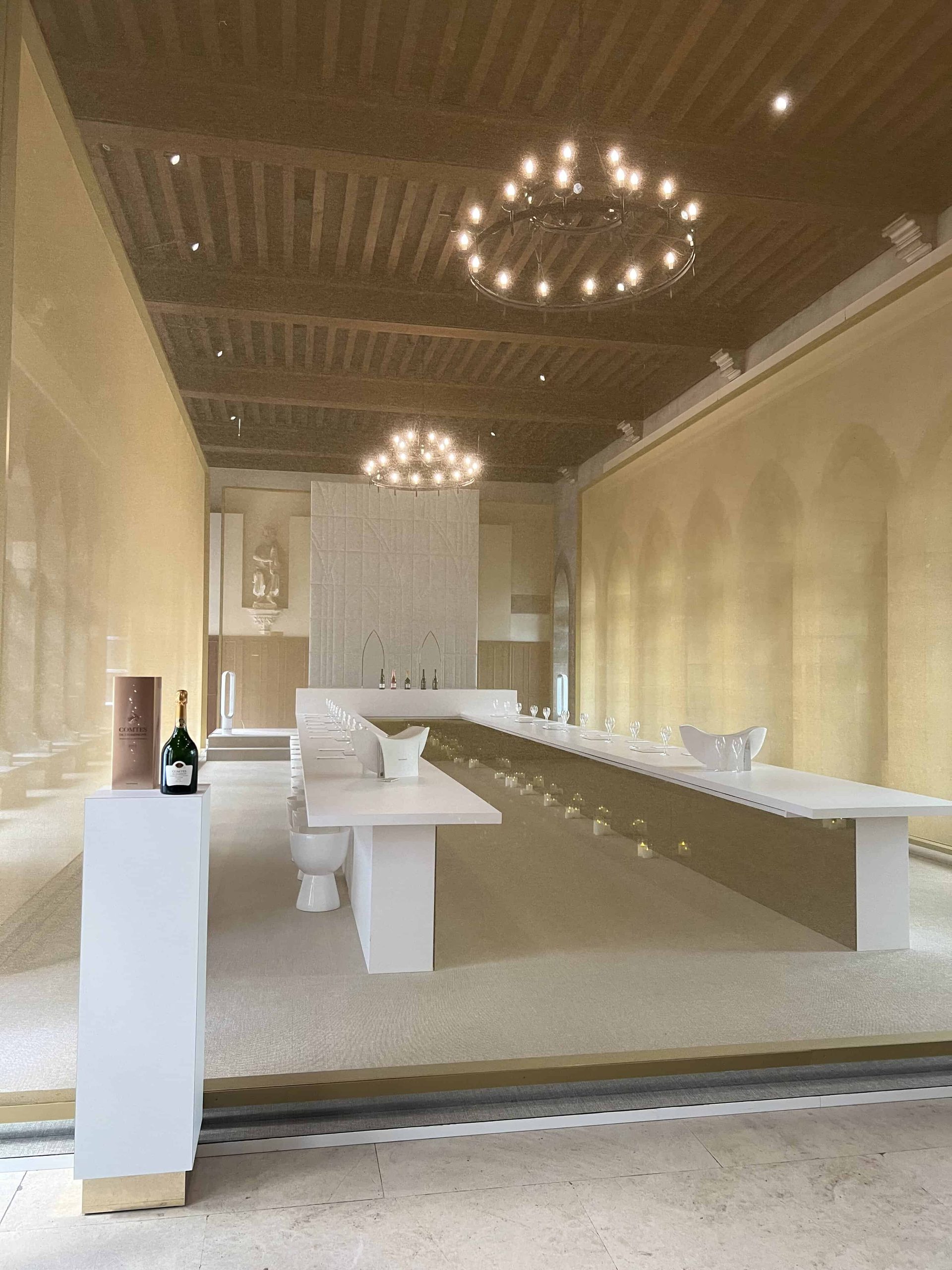

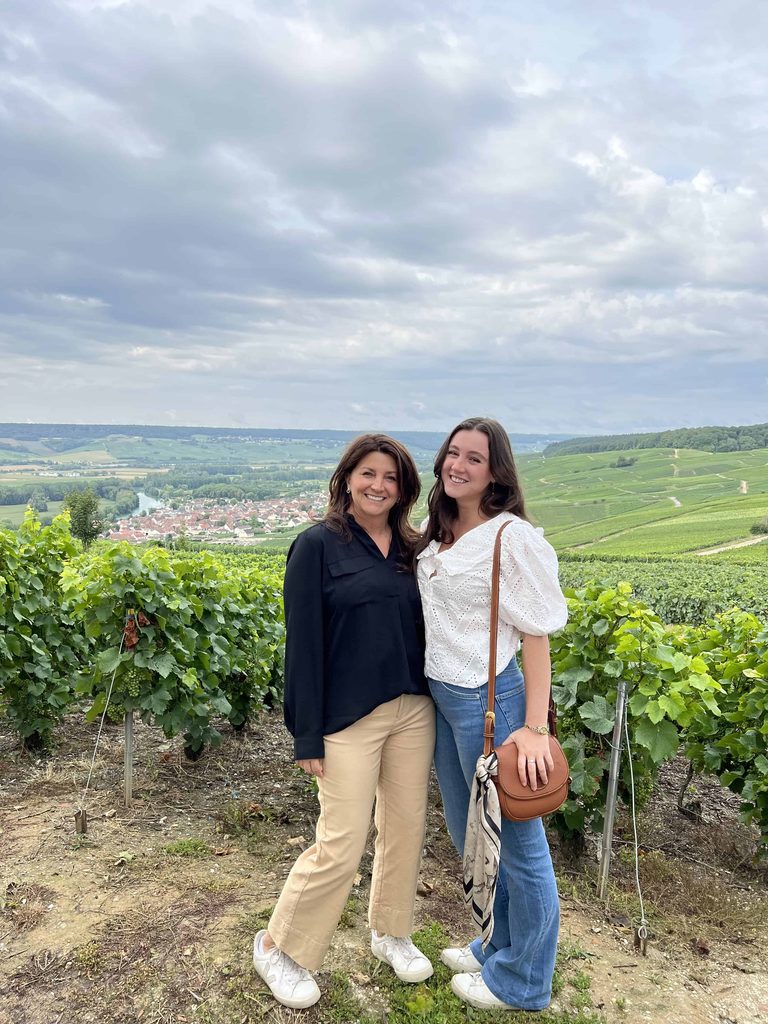
There is a moment, right after you pour a glass and before you taste it, when wine is still just a smell. That moment holds more than most people realize. It carries the region, the season the grapes were picked, sometimes even the hands that picked them.
But wine travel is not only about understanding that story. It is about becoming part of it.
When you stand in the vineyard where the grapes grew, when you walk into the cellar and smell the oak while the wine ages in the dark, you stop being a visitor to the story. You become part of it. You meet the people who gave their backs and their years to bring that bottle to your table, and once you know their names, that glass is never just a drink again. It is a memory you helped make, standing in the same dirt they stood in. Wine travel, at its best, turns a bottle into an experience you lived, and a story you now carry too.
A Story in Every Bottle
I have never thought of wine as something to master. I think of it as something to earn, through the people who made it possible.
Every bottle holds a farmer’s season, but it also holds the backs of the people who picked the grapes in the early morning heat before the sugar could turn. It holds the cellar hands who turn barrels by hand, month after month, so the wine ages evenly. It holds the winemaker’s choices, made under pressure, in years when the weather did not cooperate and the harvest had to be saved one decision at a time.
Nobody makes wine alone. Every glass carries dozens of people’s labor, most of whom will never see their name on a label.
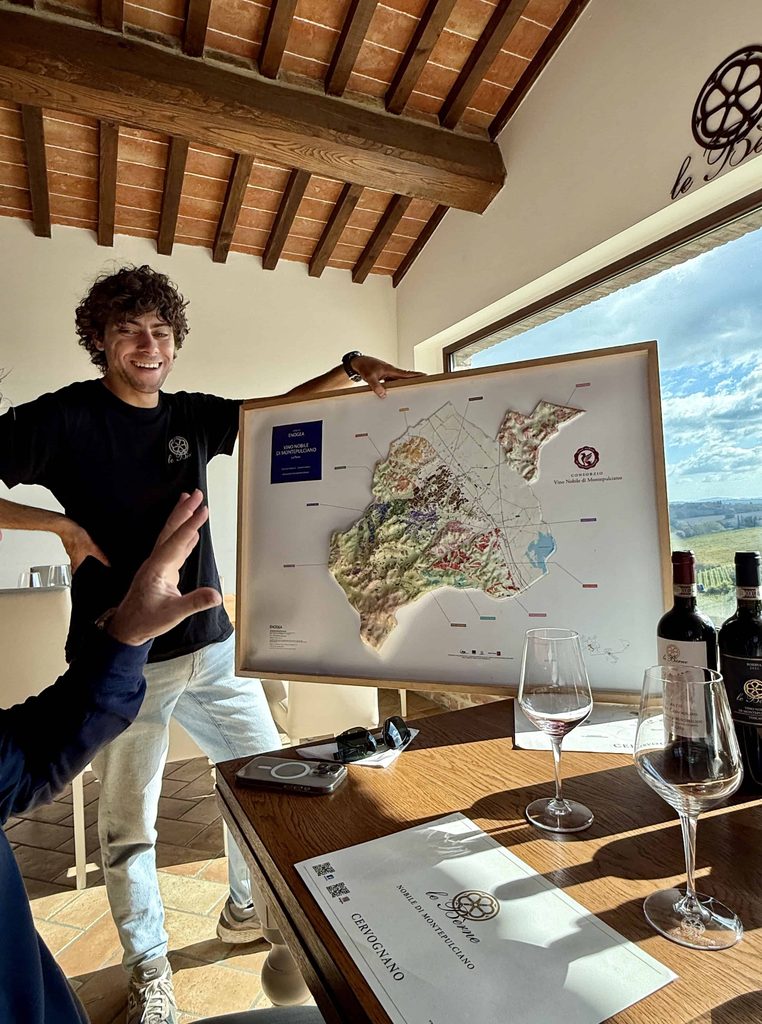
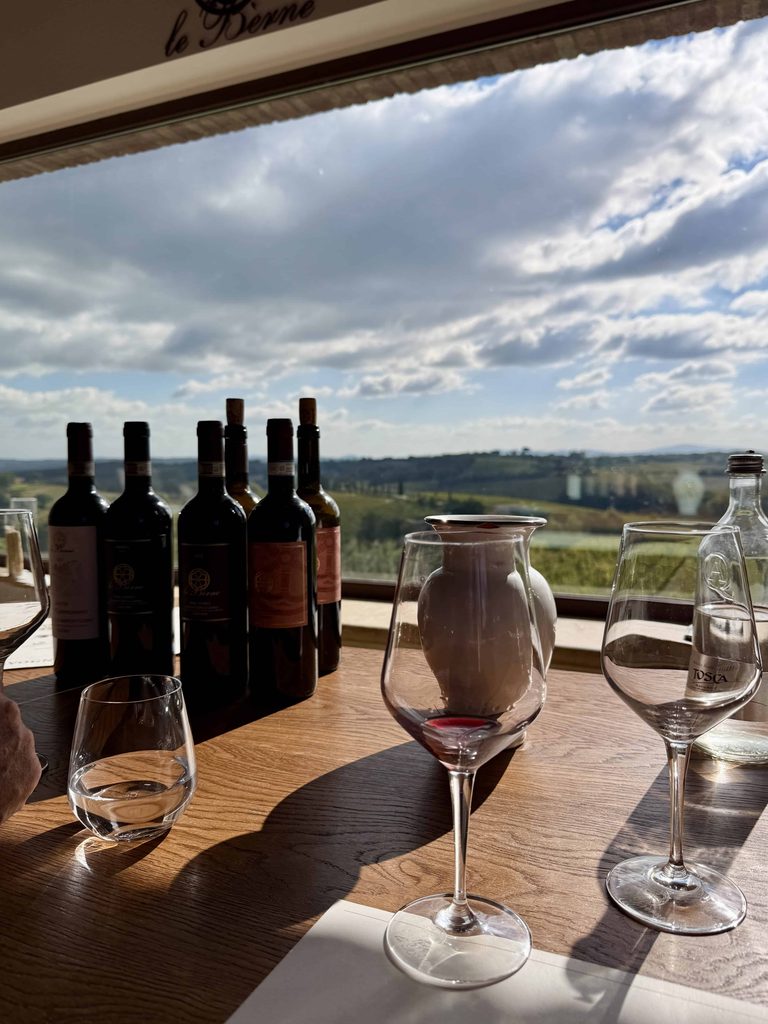
When I visited Le Bèrne, a family run winery in Montepulciano, Frederico told me something that has stayed with me since. He said wine is made in the vineyard, long before it reaches a cellar. His family does not use herbicides. They make their own compost. They let healthy soil do the work that a shortcut never could. That patience is not just his. It belongs to his grandfather, who still drives the tractor at eighty two, and to every picker who has ever worked those rows before him.
That is not a marketing line. It is generations of people choosing patience over speed, season after season, so that what ends up in your glass tastes like something worth the effort. This is what makes wine a work of art rather than a product. Someone shaped it, by hand, on purpose, for years.
Wine Is Older Than Almost Everything We Do
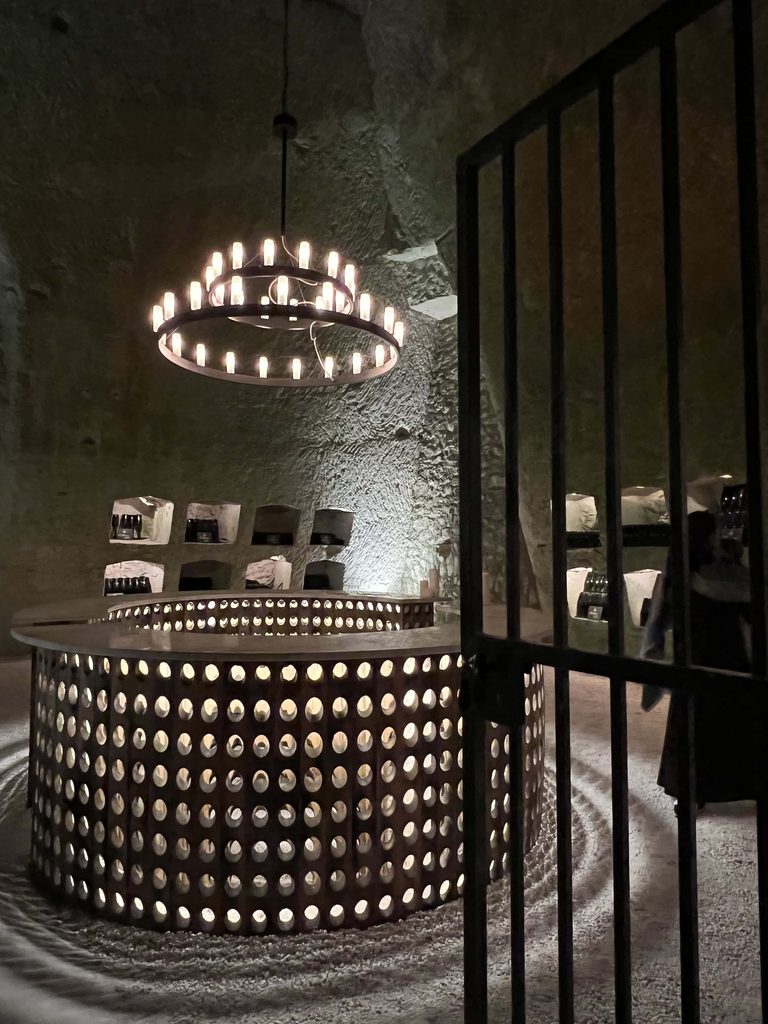
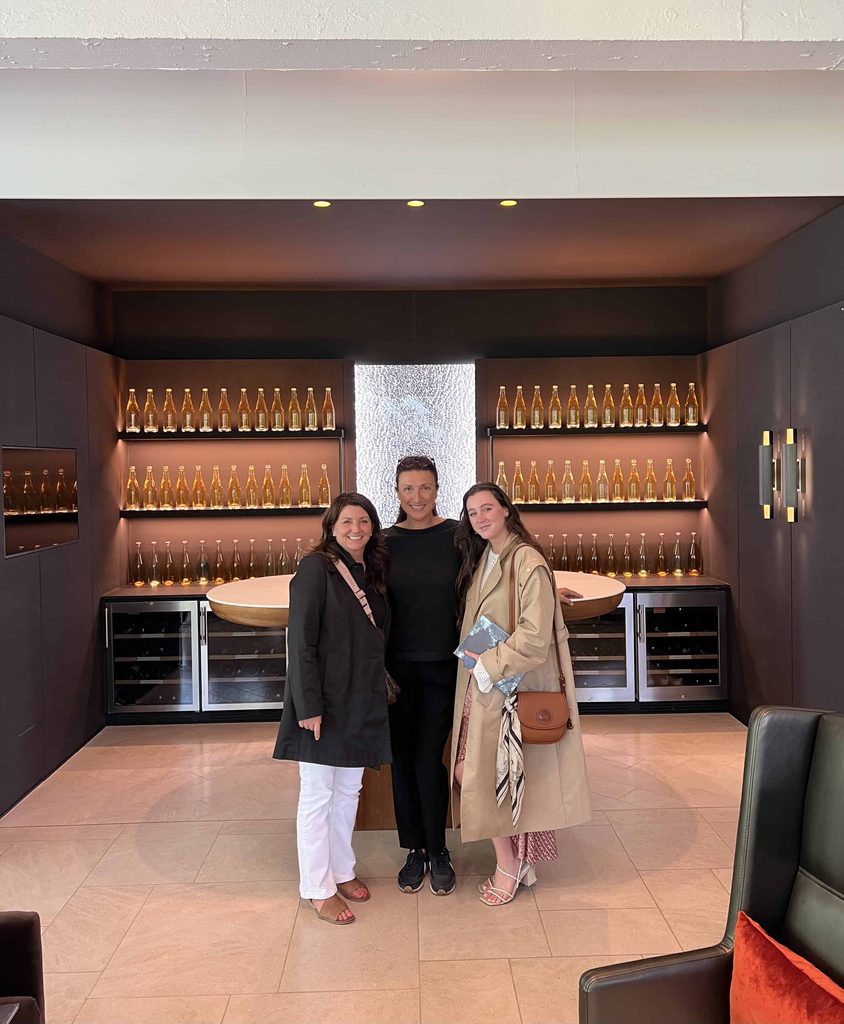
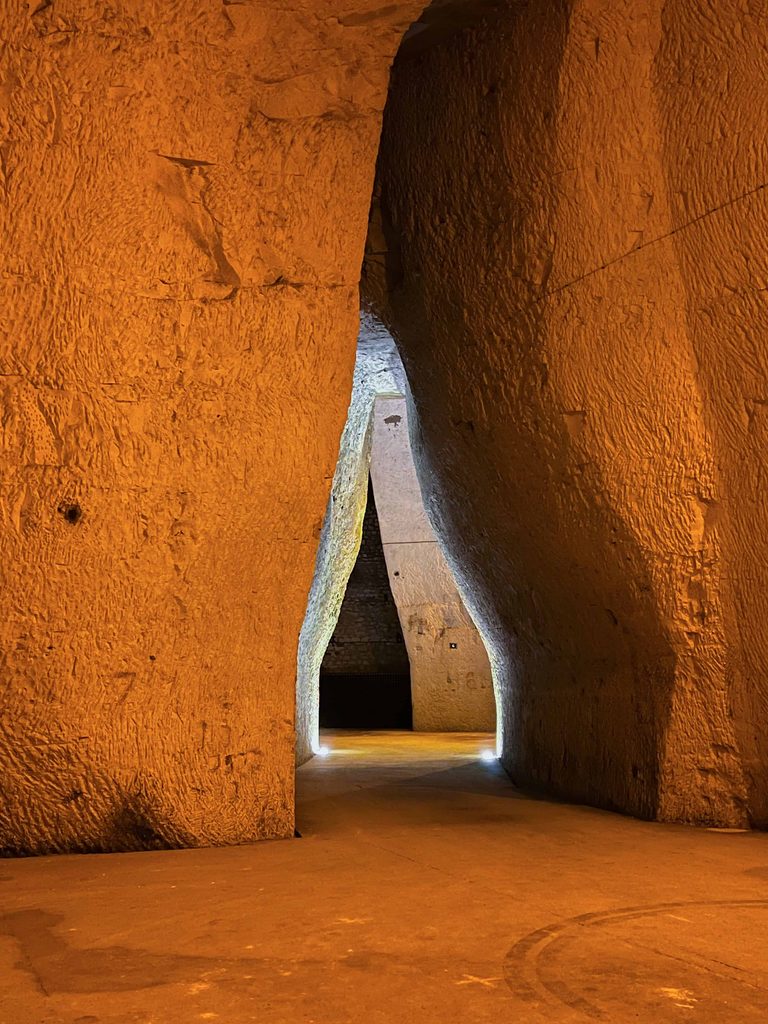
It is easy to forget how far back this goes.
Archaeologists in the country of Georgia found evidence of wine production dating to around 6000 BC, roughly 8,000 years ago, in Neolithic villages south of Tbilisi. That predates writing. It predates most of what we consider civilization.
Humans were fermenting grapes, telling stories through what they made with their hands, before we had a word for history.
That kind of timeline changes how a glass feels in your hand. You are not drinking a product. You are taking part in something people have been doing, in some form, for eight millennia, across nearly every culture that grows grapes. Every civilization that has ever mattered found its own way to turn fruit and patience into art.
What Actually Happens in the Glass
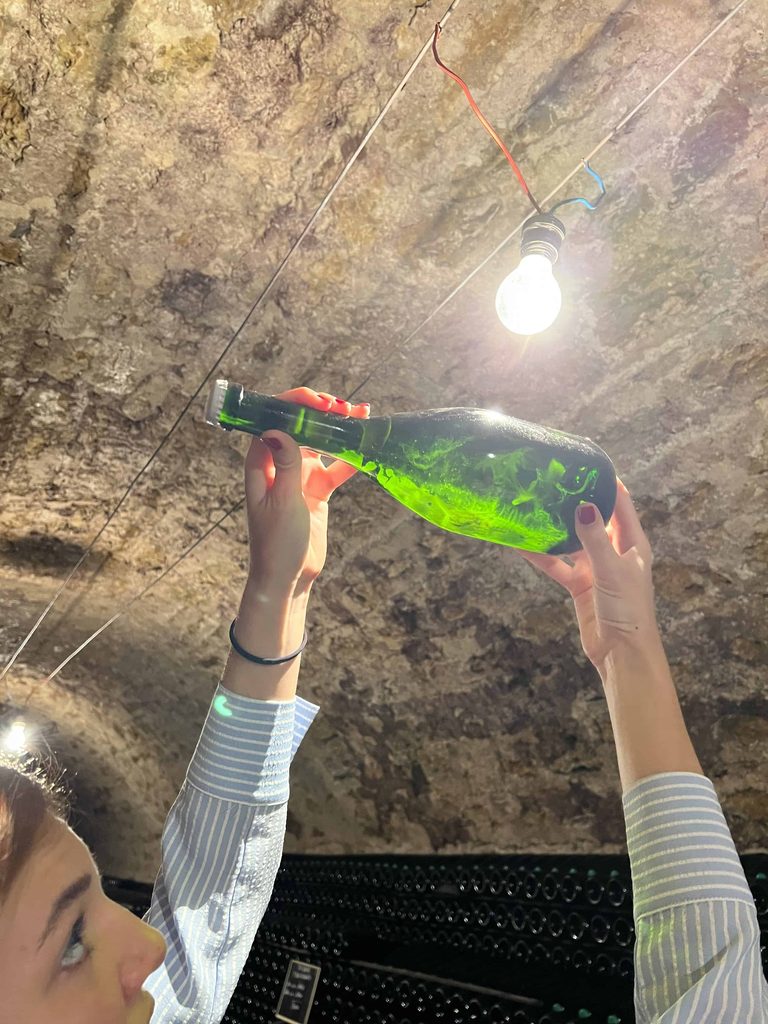
The romance of wine is real, but so is the science, and the two are not in competition.
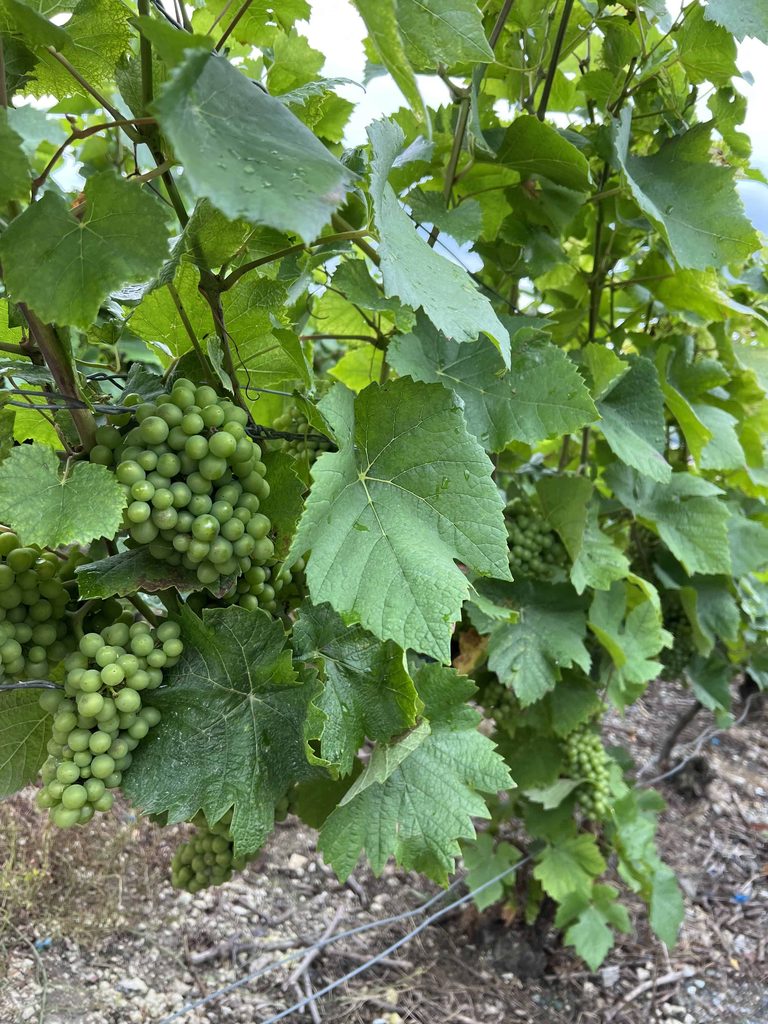
Terroir, the combination of soil, climate, elevation, and sun exposure, shapes flavor in ways researchers are still mapping. The same grape variety planted in two different valleys will taste different because the land itself is different. That is not sentiment. That is chemistry, expressed through fruit.
Fermentation is its own kind of quiet transformation. Yeast converts sugar into alcohol, and along the way it creates hundreds of compounds that influence aroma and texture. Winemakers are constantly adjusting technique in response to shifting weather patterns, earlier harvests, warmer growing seasons, and changing rainfall. The wine in your glass this year is not the same wine it would have been a decade ago, even from the same vineyard, because the climate itself has moved.
Every vintage is a snapshot of a single year that will never happen again in exactly the same way. That is part of what makes a bottle feel like a memory instead of a beverage. Wine is one of the few things in your daily life that is simultaneously ancient and actively evolving.
The Real Reason We Are Drinking Less
Global wine consumption fell again this year. According to the International Organisation of Vine and Wine, worldwide consumption dropped by nearly three percent in 2025, and is down roughly 14 percent compared to 2018. In the United States, consumption fell over four percent this year alone, and the country now has millions fewer regular wine drinkers than it did just two years ago.
There are real reasons behind this. Rising prices. A cultural shift toward moderation. More interest in spirits and non-alcoholic alternatives. Some of that shift is healthy, and I do not think everyone needs to drink wine.
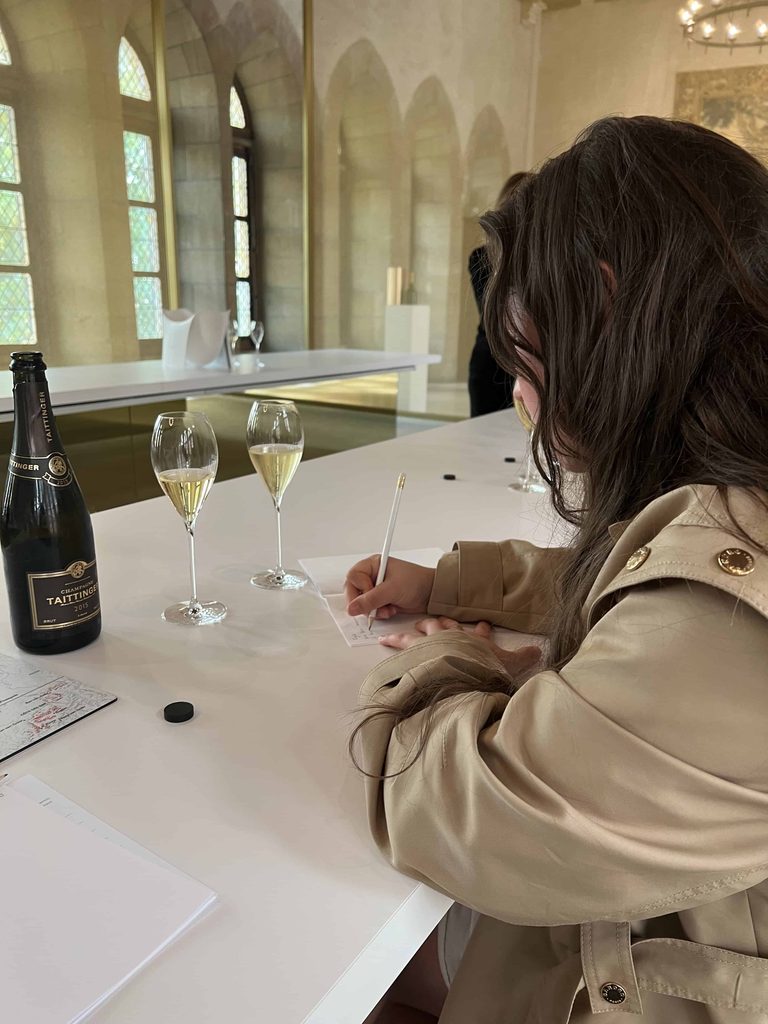
But I do think something gets lost when wine becomes just another category competing for attention on a shelf. Wine was never meant to be consumed quickly or alone. It was built for the table, for the slow parts of an evening, for the conversation that happens because a glass gives your hands something to do while your mind settles into a place.
When wine becomes transactional, we stop treating it like a story and start treating it like inventory. We lose the memory, the experience, the art, everything that made it worth 8,000 years of human attention in the first place.
Wine Was Never Meant to Be Fussy
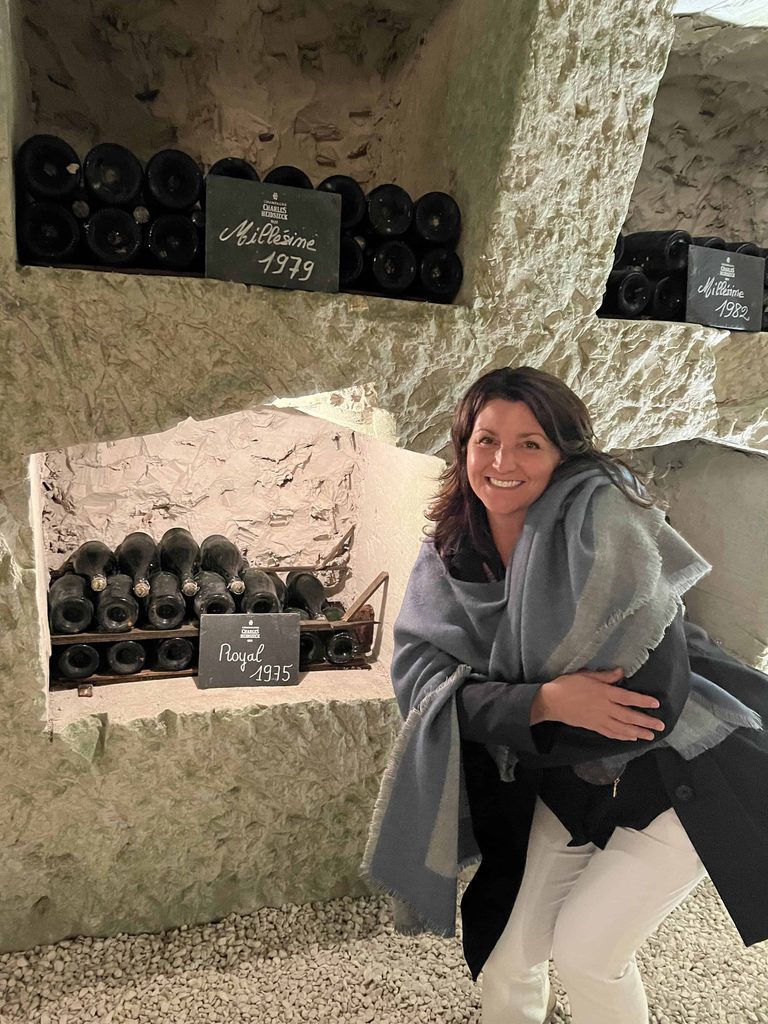
Here is what I want to be clear about. None of this requires expertise.
You do not need to identify tannins or memorize a region’s appellation rules to have a real relationship with wine. Some of my favorite tasting moments have been with people who could not tell you the grape variety in their glass and did not care to. What they understood was the moment. The company. The place. That is the experience, and it is available to anyone willing to slow down for it.
At Le Bèrne, tastings happen in a room that feels more like a family kitchen than a showroom. At Abadía Retuerta in Spain’s Ribera del Duero, some of my clearest memories are simple ones: a potato tortilla and a cappuccino at breakfast, a glass of wine on a small patio, the quiet of a monastery estate in December.
None of that required a perfect pairing. It required being present.
Wine rewards attention far more than it rewards perfection, and that is exactly what makes it approachable. No one needs permission to enjoy it. All it asks is that you slow down long enough to notice what is actually in the glass, and who spent their life getting it there.
You Do Not Have to Love Wine to Belong in This Story
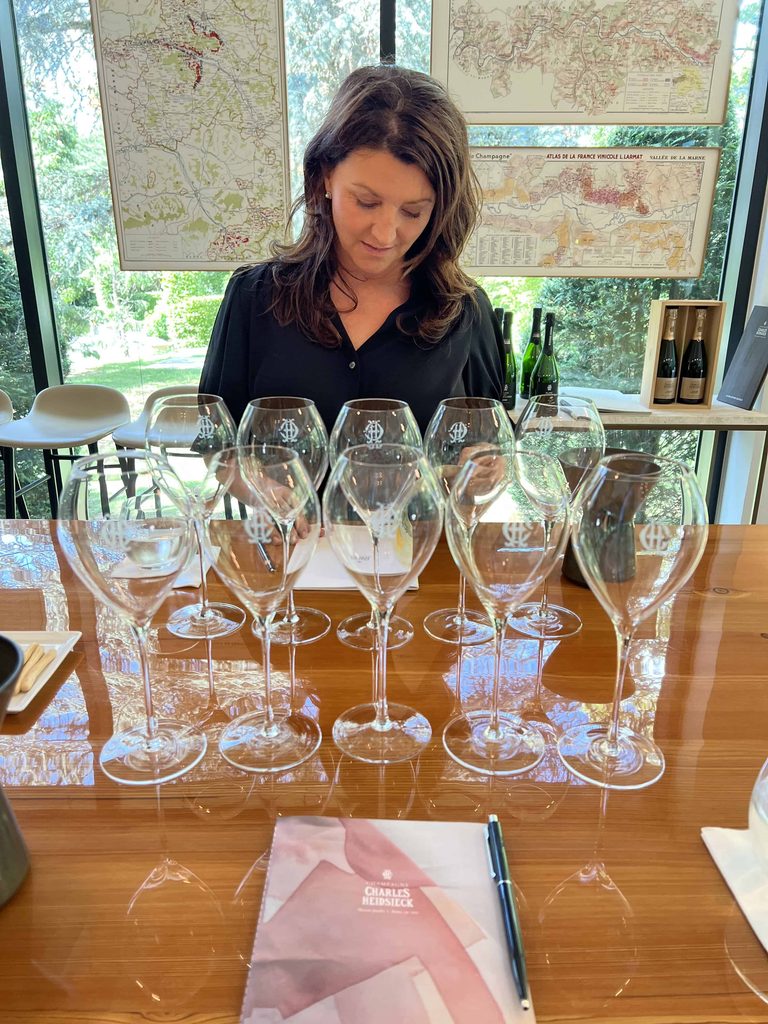
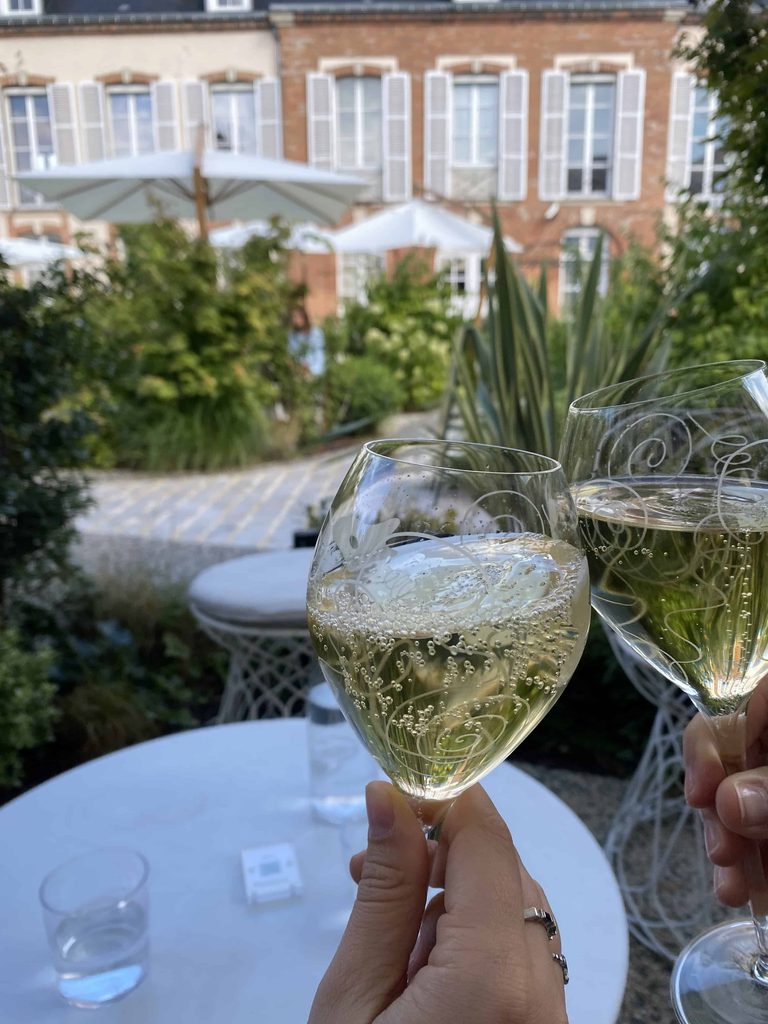
Wine is history and culture as much as it is a drink, and that means you do not need to care about wine itself to get something real out of experiencing it.
This is where I think families miss an opportunity. Vineyards are full of lessons that have nothing to do with drinking and everything to do with learning. A visit to a winery is a history lesson standing in a field. It is a science lesson happening in real time, fermentation, soil chemistry, the way weather shapes an entire year’s harvest. It is agriculture, patience, and craftsmanship, all in one place.
Kids belong in that lesson. Walking a vineyard, smelling the earth, tasting fruit straight from the vine, learning why one hillside produces something different from the one next to it, that builds real sensory skill. It teaches a child to slow down and notice smell, texture, and flavor with intention, a skill that carries into everything else they eat and experience for the rest of their life.
You do not have to be a wine person for this to matter to your family. You just have to be someone who wants your children to understand where things come from, and to see, firsthand, how much human effort and history live inside something as ordinary as a bottle on a table.
Where the Story Comes Alive
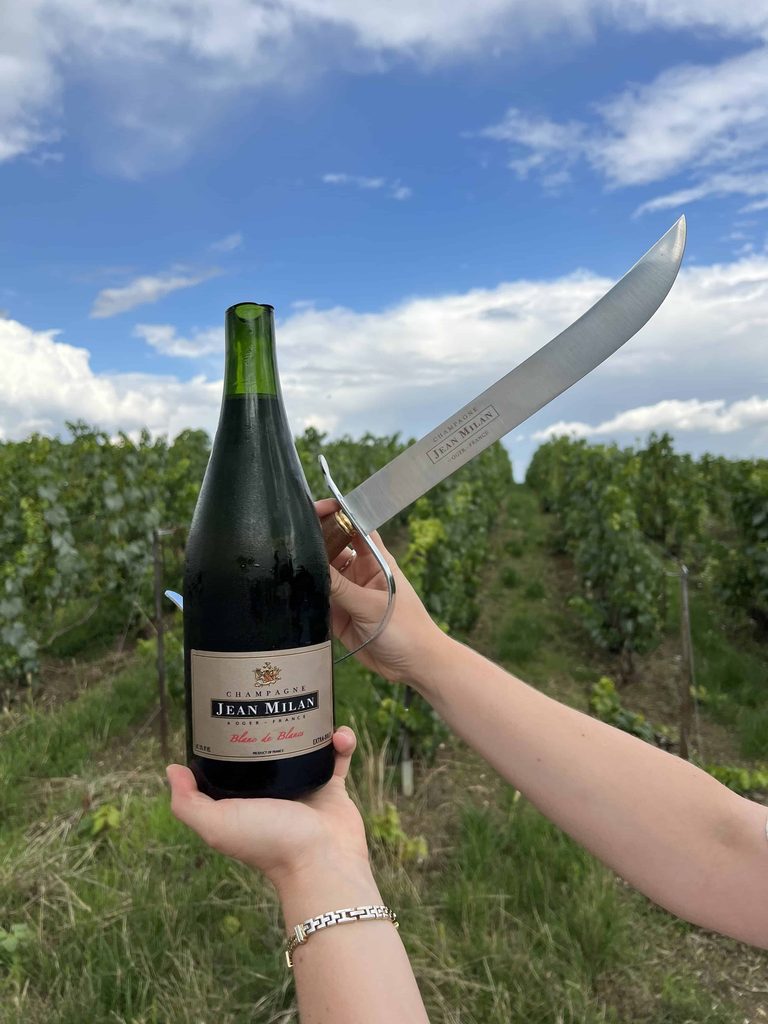
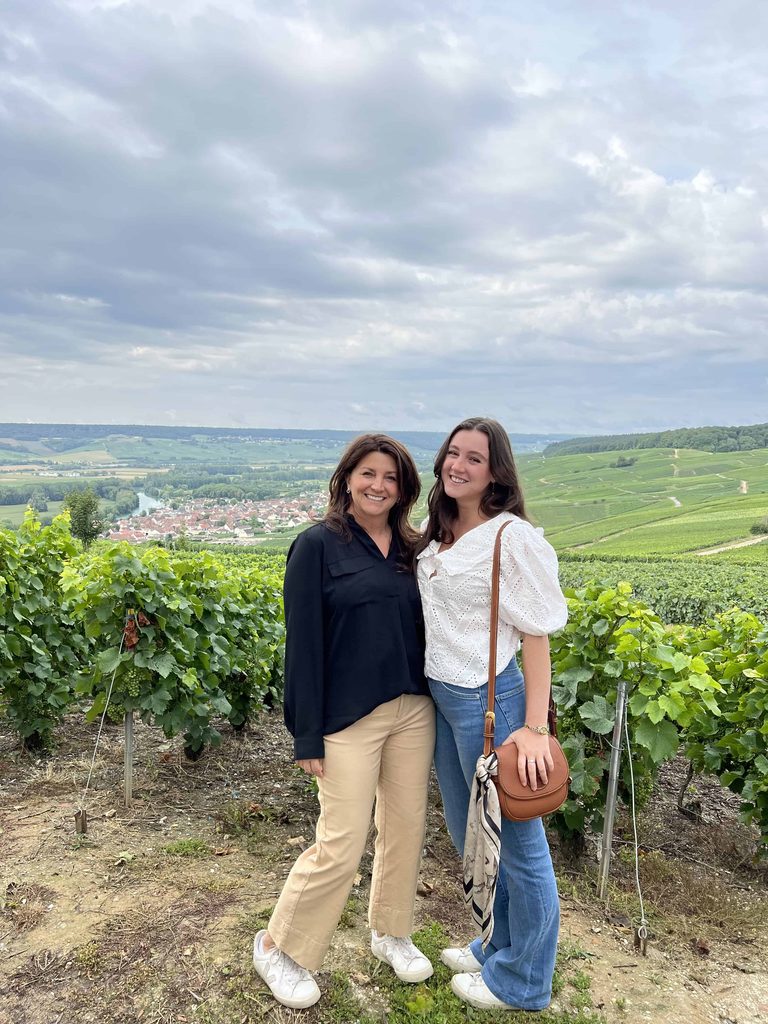
Reading about a region is one thing. Standing in the vineyard where the grapes grew, meeting the person who tends them, tasting the wine within sight of the hills that shaped it, that is a different kind of understanding entirely. It is the difference between hearing a story and living inside it.
Montepulciano, with its cypress lined roads and family estates like Le Bèrne, teaches you something about patience and inheritance. Ribera del Duero, with its stone monasteries turned into properties like Abadía Retuerta, teaches you something about stillness.
Bordeaux and the People Who Keep It Alive
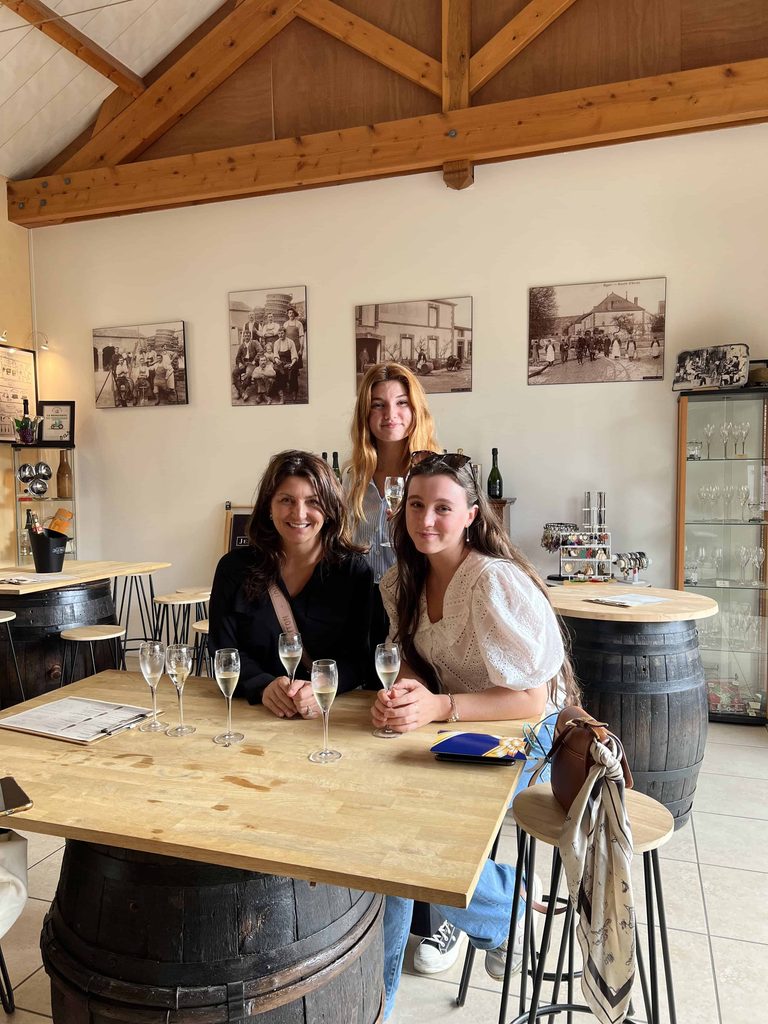
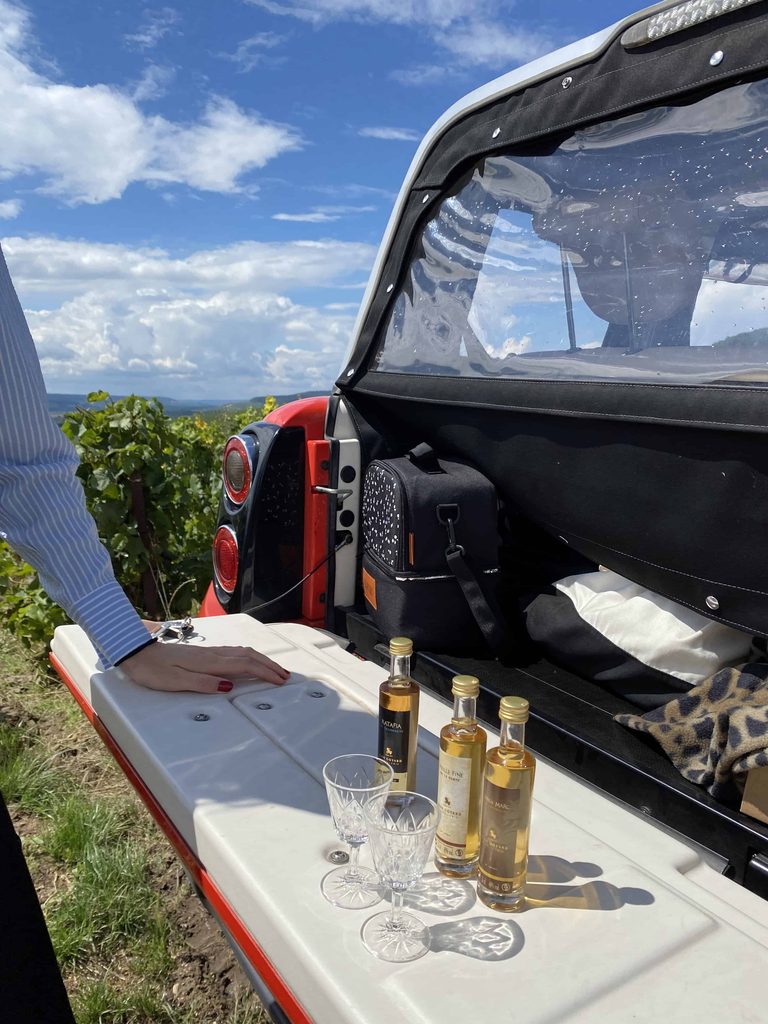
Bordeaux teaches you something else entirely: how a single region can hold this much devotion at once. On a recent trip, what struck me most was not any one chateau, though the land itself is beautiful in a way photographs never quite capture. It was how much culture is still alive there, in spite of everything the industry is up against. Little villages built entirely around vineyards, one after another, each carrying the same quiet labor: someone pruning in the cold months, someone watching the sky before harvest, someone deciding when the fruit was finally ready.
We stopped into La Petite Cave in Blaye, a small wine store and bar run by Leslie Kellen and his wife Clarissa. Leslie has spent more than four decades in the wine industry, sits on wine juries in Bordeaux, and even created his own classification system for the wines of Blaye and Bourg. Forty years of showing up, tasting, judging, and caring about a region most visitors drive straight past. He was a character in the best sense of the word, the kind of person who clearly sees wine as a calling rather than a job. Spending even a short time with him told me more about this corner of Bordeaux than any guidebook could, because he is part of its story, the way every grower, picker, and cellar hand nearby is too.
That is the thing about wine regions. The land explains part of the story, but the people finish it, one season and one pair of hands at a time. Every region has its own lesson, written into the soil and the pace of life around it, and every glass you taste there carries someone’s blood, sweat, and years.
Ready to Taste the Story Yourself?
This is why I built wine travel into so many of the journeys I design. Not as an afternoon activity squeezed between other stops, but as a real part of how a trip unfolds. A morning in the vines. Then a conversation with the family who owns the land. And finally, a glass that tastes different because you understand everything and everyone that went into it.
If the decline in wine consumption is a sign that people are drinking on autopilot, the answer is not to drink less thoughtfully. It is to drink with more context, more presence, and more curiosity about the story, the memory, and the art behind what is in your glass.
If reading this made you want to stand in a vineyard instead of just picture one, that is exactly the point. I love building wine travel into journeys through Tuscany, Bordeaux, Ribera del Duero, and beyond, whether you are a lifelong wine lover or bringing your kids along for the lesson, weaving in family estates, quiet tastings, and the kind of access that turns a glass of wine into a full afternoon you will remember, and a story you become part of. If you are ready to experience a region through its wine rather than just its highlights, I would love to help you plan it. Start planning here.


