


This time of year, with Thanksgiving almost here and our family already negotiating pies, we always find ourselves looking back on our travel stories, both from our own trips and from our clients’. This year, one exchange keeps coming to mind.
One of our clients had just returned from a trip with his family, one he very nearly sat out. Work was pressing, and the timing felt wrong. For a while, it looked like he would stay behind. In the end, he went.
A few days after he got home, he sent us a piece he’d come across about why no one ever regrets the trips they take. Beneath it, he wrote that he was so glad he’d gone.
I read it twice and wrote him back that same afternoon. He had put words to something I’ve felt for years, first as someone who loves to travel, and now as someone who gets to help others decide when it’s finally time to go.
I have never regretted a single trip. Not the long flights, not the ones that cost more than I planned, and not the ones I nearly talked myself out of.
That’s the heart of meaningful travel. It stretches you in the best way, through a language you don’t speak, a history you didn’t know, or a story told by someone who lived it. There is never a perfect time to go, and the world keeps changing while we wait. The trips we take become the stories we’re most grateful for.
When I count what I’m thankful for this year, a surprising amount of that list began somewhere I couldn’t read the menu.
There Is Never a Perfect Time
There will always be a reason to wait. A busy season at work, a child’s schedule, a calendar that never seems to open up. Someday is a very comfortable place to live.
But the world doesn’t hold still for us. The grandmother teaching cooking classes in her village kitchen won’t be teaching forever. The guide with the best stories eventually retires. The kids at your table this year will be setting their own tables before you know it, and you won’t always have every generation of your family healthy and able to go.
Our client almost learned that the hard way. Instead, he came home with a family trip he’ll talk about for the rest of his life. He’s also planning the next one.
The timing will rarely feel right. What matters is that you go.
A Lesson From the Ballet Studio
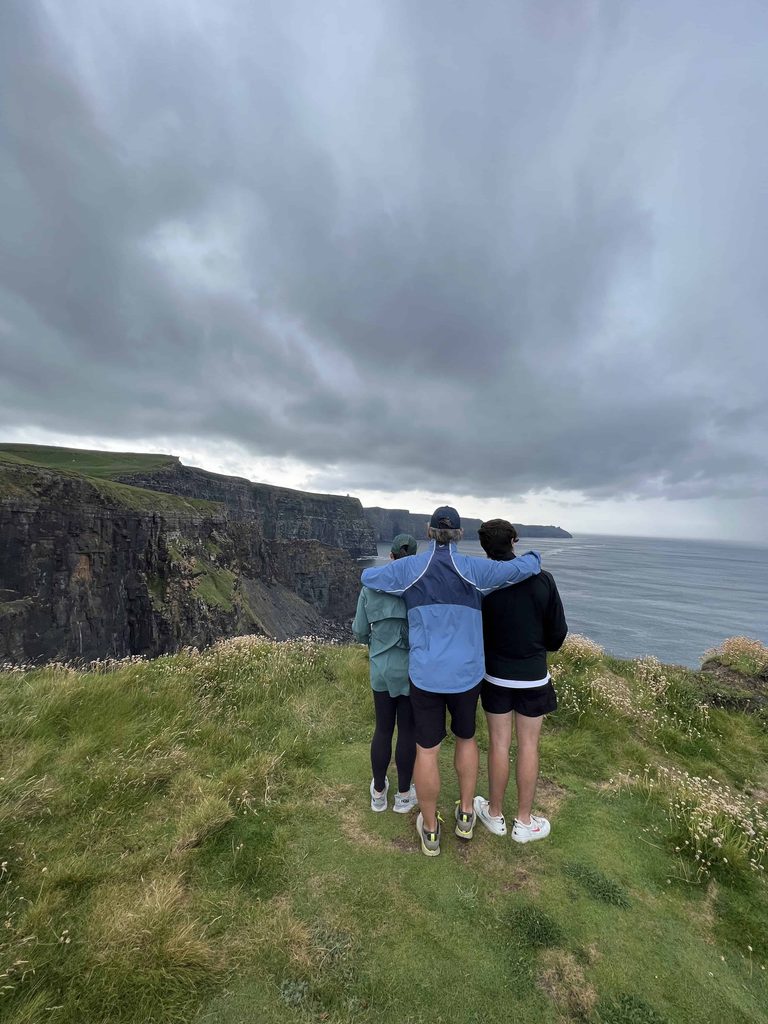
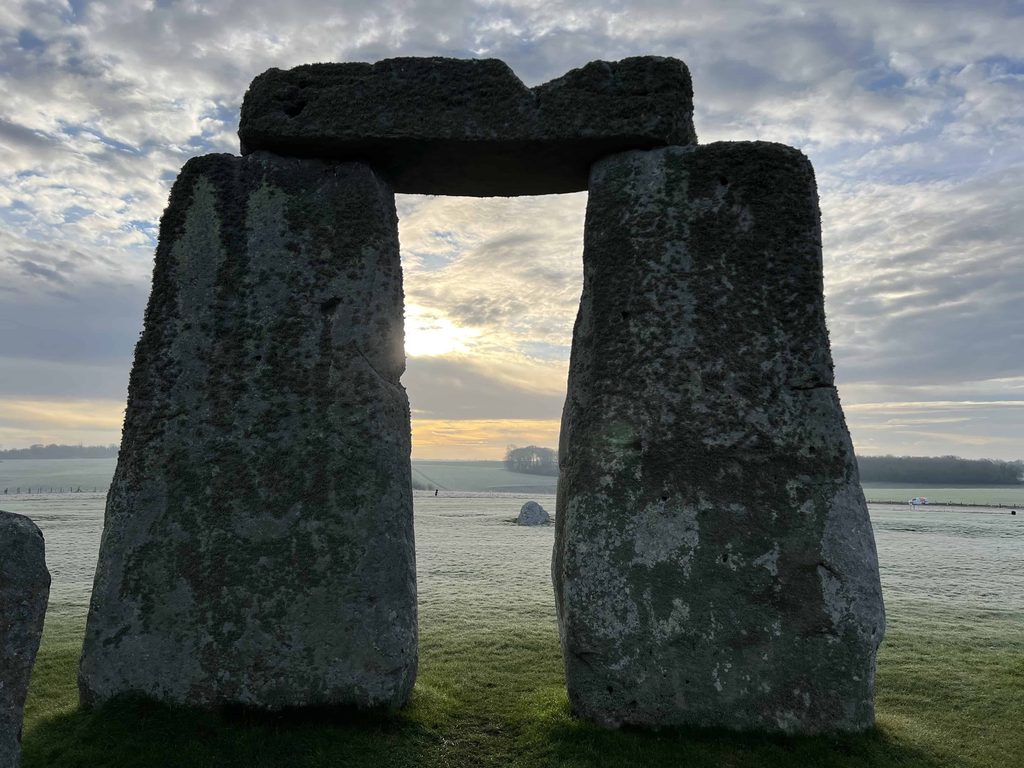
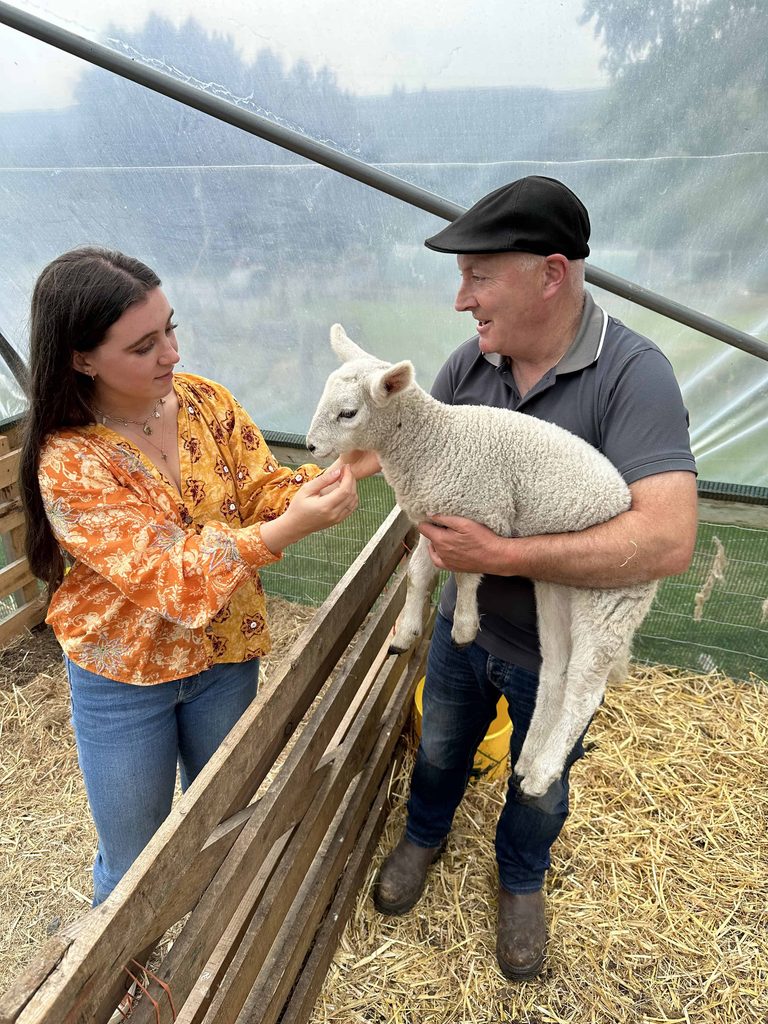
My daughter, Bailey, grew up studying ballet with a teacher who had one phrase for every nerve-wracking moment: get comfortable being uncomfortable.
It came out before competitions, when she stood alone before a panel of judges. It came out again in the wings, right before she walked onstage to a packed auditorium. His point was never that the nerves would go away. The nerves meant she was doing something worth doing.
I sat in on the practices, heard the lectures, and watched from the wing, and soon enough, his phrase became mine.
The travel I love isn’t uncomfortable. But it does put me in moments where I have to stretch. Not speaking the language. Trying something I’ve never tasted. Seeing life through completely different cultural glasses, and realizing my way of doing things is only one way.
That flutter you feel before saying yes to a big trip is the same one Bailey felt backstage. It usually means you’re about to do something you’ll be grateful for.
The Moments That Change Us
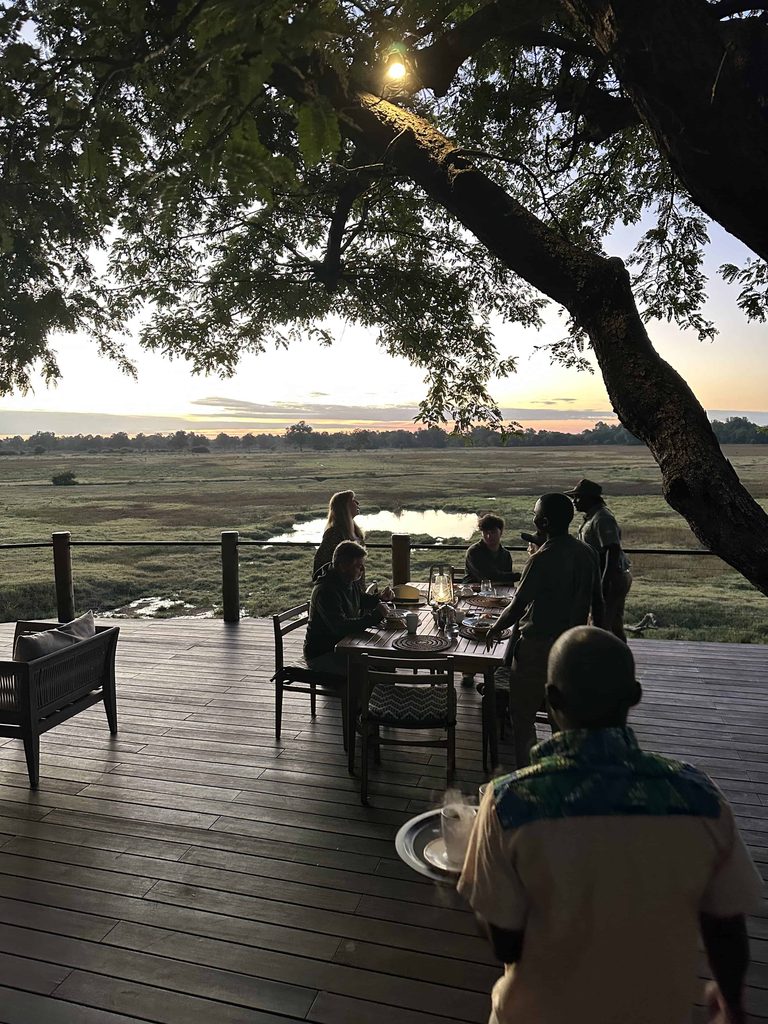
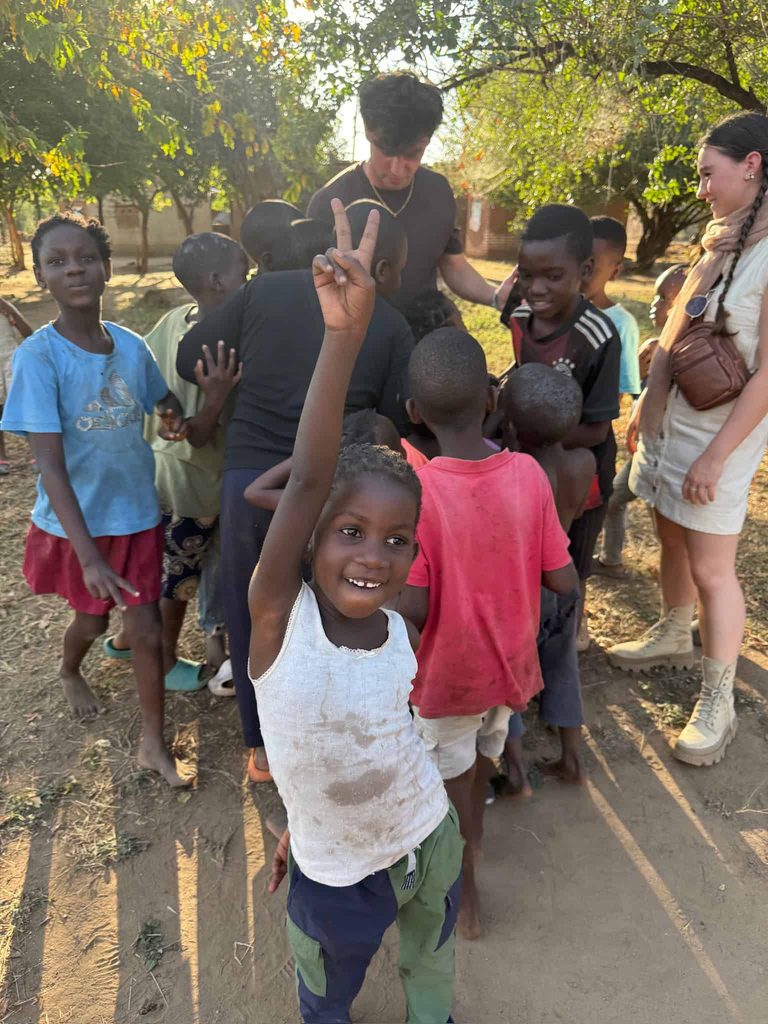
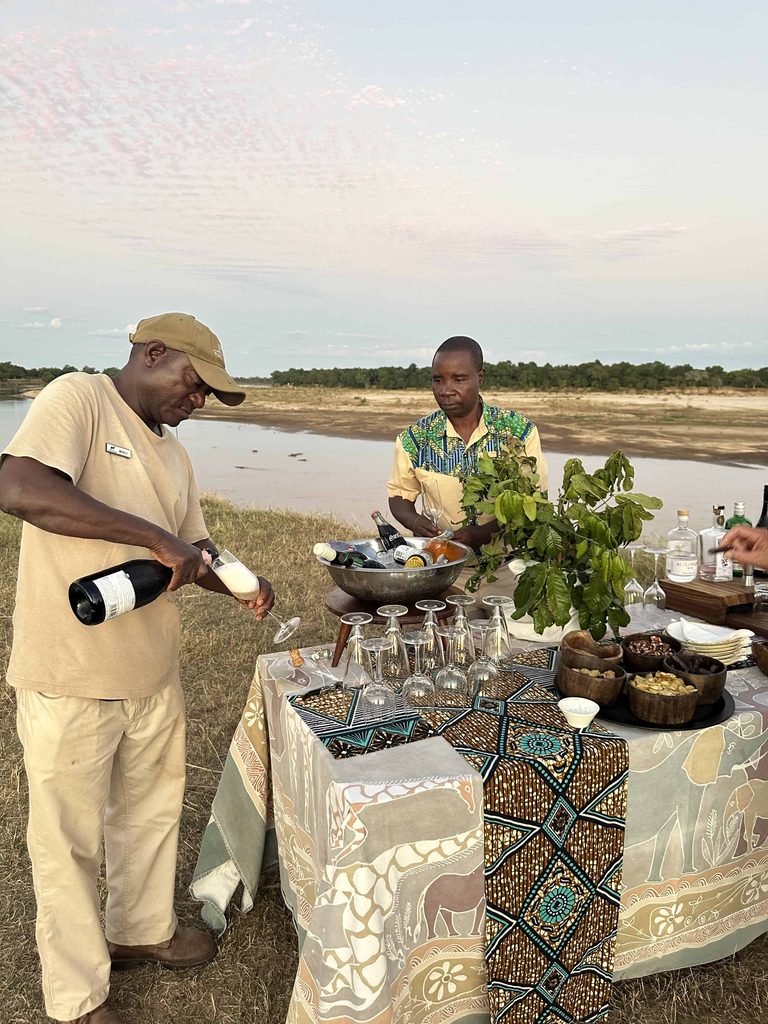
Our favorite travel memories rarely come from a famous site. They come from sitting with someone and asking about their life. These are the moments we hope for our clients, and the moments they thank us for years later.
In Lisbon, it might be a small fado house in the Alfama after dinner. The lights go down, and a singer fills the room with a longing you feel before you understand a single word. If you’re lucky, she’ll stay afterward to tell you about saudade, the Portuguese word for missing something you love. You come home with a word you didn’t have before, and you find yourself reaching for it.
On a Greek island, it might be an afternoon in someone’s kitchen. A grandmother rolls out dough for pites and insists you eat far more than you can. She’ll tell you about philoxenia, the ancient Greek belief that a stranger at your door is a guest. Those of us raised on Southern hospitality recognize it right away. You leave with a recipe scribbled on the back of something, and a higher standard for how you welcome people into your own home.
In Berlin, it might be walking along what remains of the Wall with a guide who grew up on its eastern side. She describes the November night in 1989 when the border opened, and history stops being a chapter in a textbook. You come home reading the news differently, with more patience for how long it takes a place to heal.
In Japan, it might be a night at a temple on Koyasan, the mountain home of Shingon Buddhism. Dinner is shojin ryori, the monks’ vegetarian cuisine, served on lacquer trays. Before dawn, you’re invited to morning prayers amid the chanting and incense of a faith that may not be yours. Some of that stillness follows you home. (If food is your way into a culture, our Japan food guide is a lovely place to start.)
In Zambia, it might be the evening your guide sits with you by the fire and talks about the village he grew up in and what the bush meant to him as a boy. You came for the elephants. You come home talking about him, and the children in the village. (More on what safari is really like in African Safari Misconceptions, From Someone Who’s Been.)
Each of these moments asks you to lean in a little. Each one sends you home softer around the edges and more curious about the people next to you. And none of them waits forever.
What Makes a Mer Bleue Journey Different
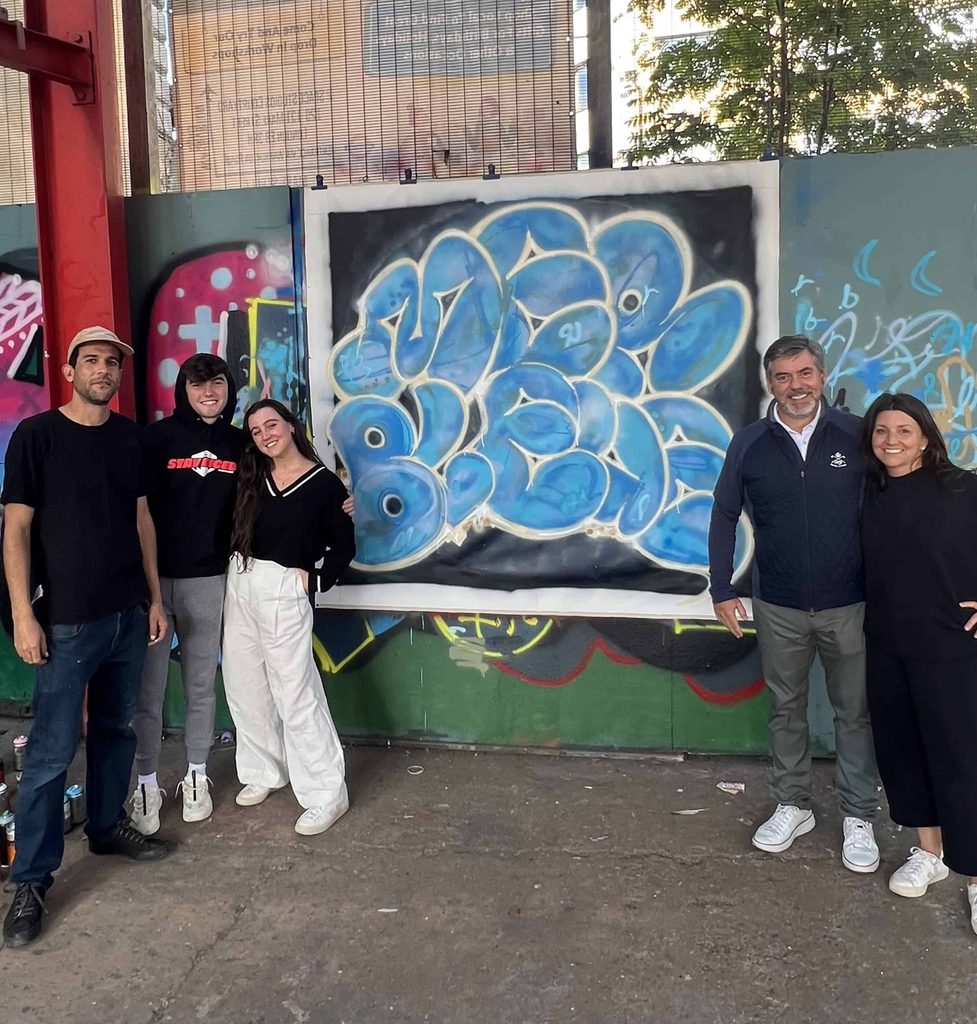
So much travel today follows the same template. Everyone takes the same tours, eats at the same restaurants, and comes home with the same photographs. It’s beautiful, and it’s also forgettable.
The moments above don’t come from a template. They come from people.
That’s where most of our planning energy goes: the guide who is a storyteller rather than a script reader, and the family who will set another place at the table. At Le Bèrne in Montepulciano, our clients meet three generations of one winemaking family, including a grandfather in his eighties who still drives the tractor. That kind of access is built over years of relationships, and it’s what we’re proudest to share.
We also plan for curiosity. If you tell me you’d love to cook in Tuscany, I’ll ask whether you want a chef who speaks English or a nonna who doesn’t. Those are very different afternoons, and both are wonderful for different people.
Pacing matters just as much. We leave room in the day so that when someone invites you to stay for one more glass, you can say yes. The property waiting for you that evening should feel like a deep exhale.
For families, the work becomes even more personal. A grandfather, a fourteen-year-old, and a mom who hasn’t had a full night’s sleep since spring will each be moved by something different. We design for every one of them, and we still make sure everyone ends up at the same table for dinner.
Most reasons people wait come down to the planning itself: the hours it takes and the worry about getting it wrong. That part is ours. All that’s left for you is the yes.
The Trips We Almost Didn’t Take
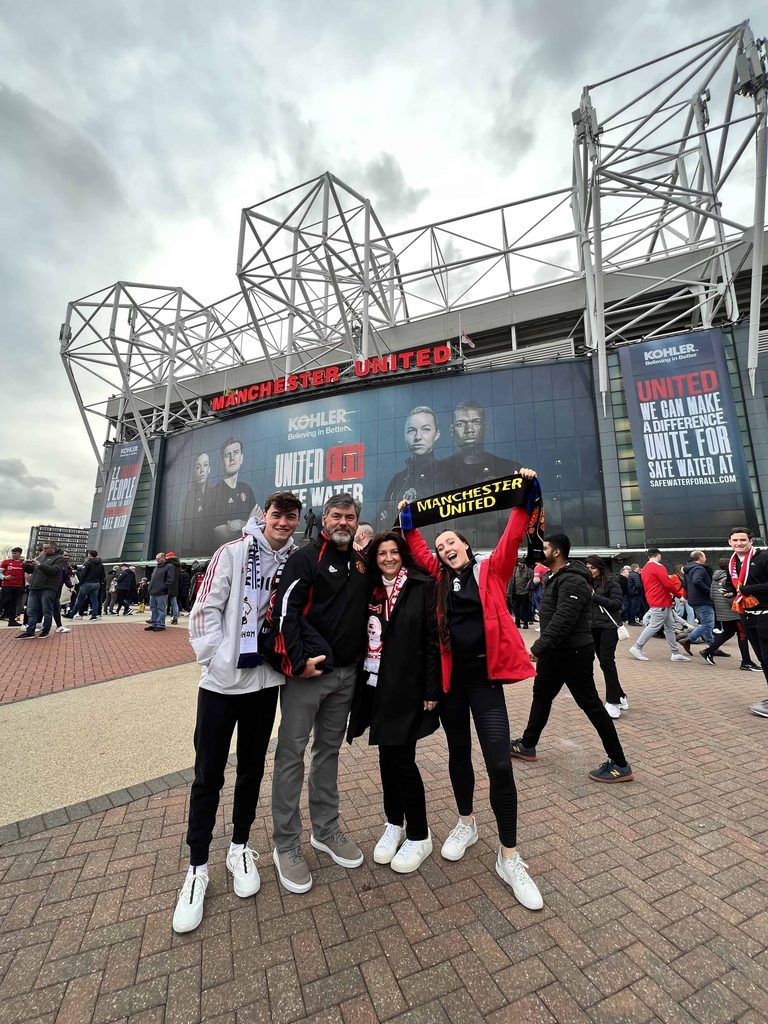
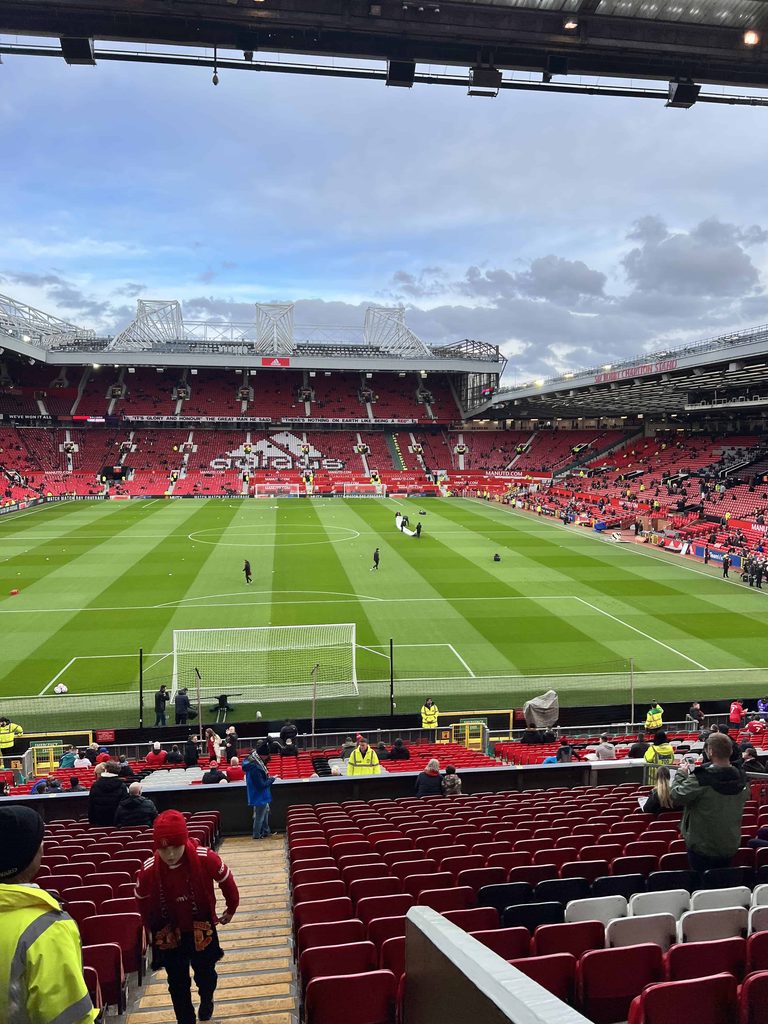
It’s still crazy to think how close our client came to staying home.
So many of the stories I treasure most come from trips that almost didn’t happen. The timing wasn’t perfect, the inbox was full, and there was always a reason to wait until next year. Every single time, I came home grateful I went.
In my reply, I wrote something I believe with all my heart. Travel has made me kinder, more curious, more open, and more connected than I was before.
I see it in small ways at home. Some evenings we still pour a sundowner on the porch, a habit we brought back from Africa, and sit outside just to watch the light go. When our family gathers this Thanksgiving, I already know which stories will come out between the turkey and the pie. Every story will be owed to saying yes, when it wasn’t always easy.
I closed my note by telling him I hope we get to be uncomfortable together one day, in Africa, Japan, Peru, or somewhere neither of us has imagined yet. Just tell me where.
I’d say the same to you.
I plan to leave this world with a full heart, an open mind, and a lifetime of stories I’m grateful I said yes to. If 2027 is the year you stop waiting for the perfect time, we would love to begin planning now, while the people and places worth traveling for still have room for you. Start planning here.
Questions We Hear Often
What makes travel meaningful?
In our experience, it’s the people. A conversation with a local guide, a meal in someone’s home, or an hour in a place of worship that isn’t your own will stay with you longer than any landmark.
When is the right time to plan a big family trip?
There is rarely a perfect time, and waiting often means the moment changes. We encourage families to plan around the people traveling, especially while every generation can go together.
How far ahead should I plan?
For peak seasons in Europe, we like to begin nine to twelve months out but can work with less. For Asia and Africa, 12 months+ is best to ensure availability. The guides, families, and properties our clients love most are often booked early.


