


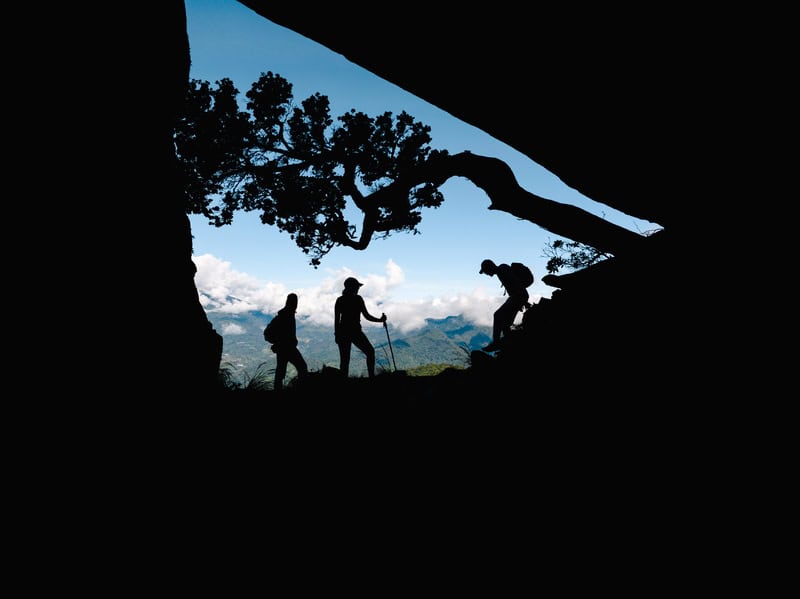
Panama moves dozens of ships a day between two oceans, and almost none of it would work without the rainforest that surrounds it. Roughly 164 square miles of that same rainforest were flooded to create Lake Gatun, and the forest still standing around it captures and stores the freshwater that keeps the canal’s locks running. Travelers who understand that connection find an entirely different country waiting on the other side of the canal’s reputation.
This is a place that has not yet been shaped by mass tourism, and we do not expect that to last.
So who better to explain why than the people who know Panama best. This Panama travel guide comes straight from conversations with two of our contacts on the ground: Melanie Endres, Sales and Marketing Director at Ancon Expeditions of Panama, and Richard, a naturalist guide who has spent his career moving travelers through the country’s rainforest, coastline, and canal.
The Misconception Almost Every Traveler Brings
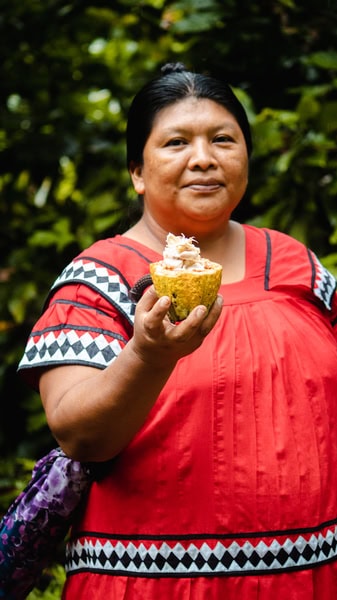
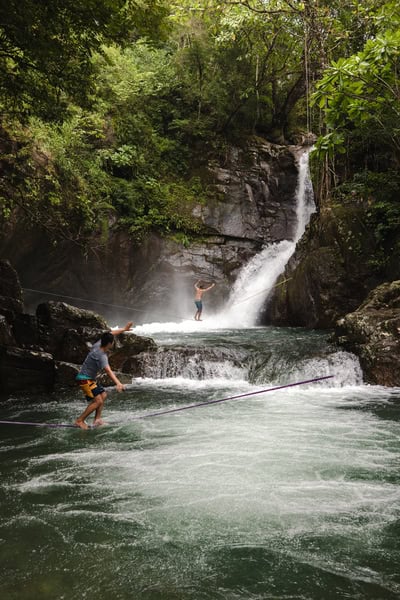
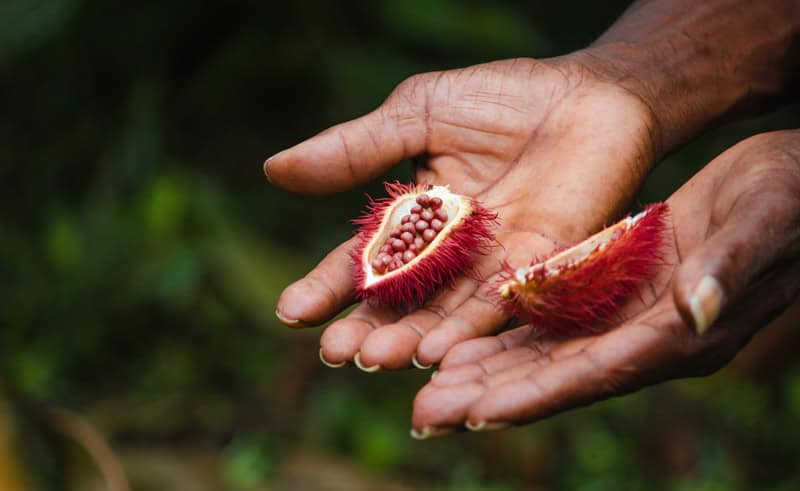
“The biggest misconception is that Panama is only about the Panama Canal,” Melanie Endres, Sales and Marketing Director at Ancon Expeditions of Panama, told us. She has spent years building itineraries across the country and hears this from nearly every first-time visitor. “Many travelers imagine it as a concrete engineering project and don’t realize it is actually surrounded by vast protected rainforests, rivers, lakes, and some of the most accessible wildlife viewing in the Americas.”
What makes the canal possible, she explained, is not engineering alone. It is nature. The forests of the watershed capture and store the freshwater the locks depend on, and once a traveler sees that connection, the canal stops being a photo stop and becomes more of a lesson in what conservation and human ingenuity can build together.
Beyond the canal, Melanie pointed to a country shaped by Indigenous, Spanish, Afro-Caribbean, Chinese, and North American influences, all layered into a landmass small enough to cross in a single day.
Who This Country Is Really For
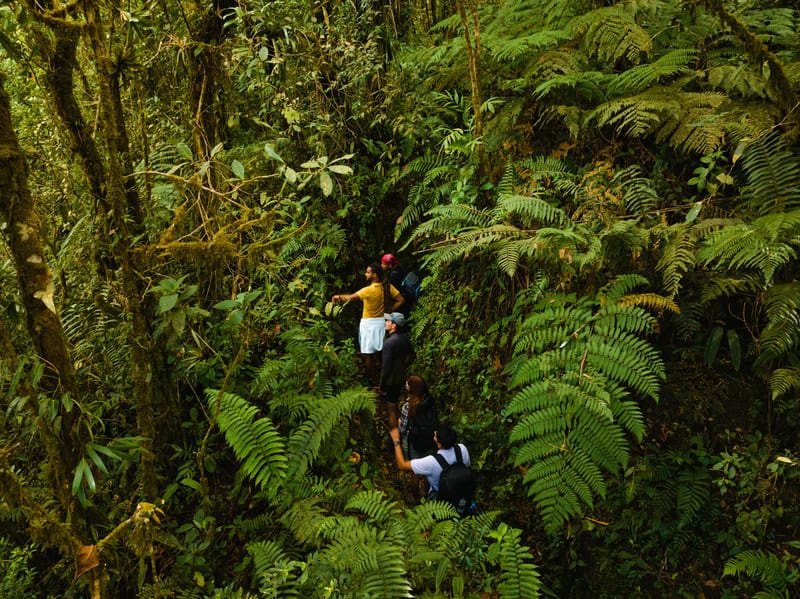
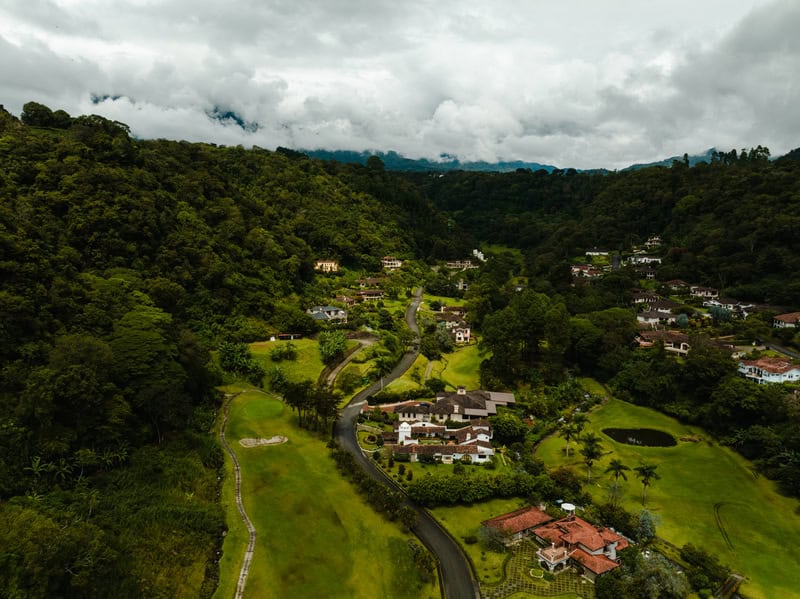
“Panama is ideal for curious travelers who like discovering new places that have not yet been flooded with tourists,” Melanie said. “It rewards travelers who want depth, authenticity, and discovery.”
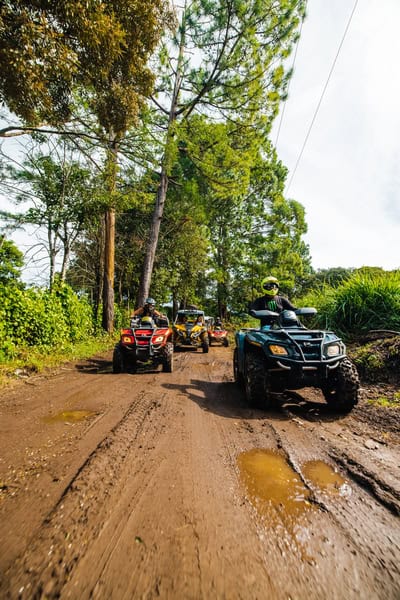
Short travel distances and robust infrastructure mean a single seven- to fourteen-day trip can take you from a lively capital to native communities, world-class wildlife, cloud forest, and island time that still feels private. Hikers, anglers, divers, food travelers, and multigenerational families all find their own version of the country.
If you are set on a beach resort with a swim-up bar and a full nightlife calendar, Panama may hand you something different than expected. Its strength is authenticity and access, not polish for its own sake.
What Luxury Actually Looks Like Here
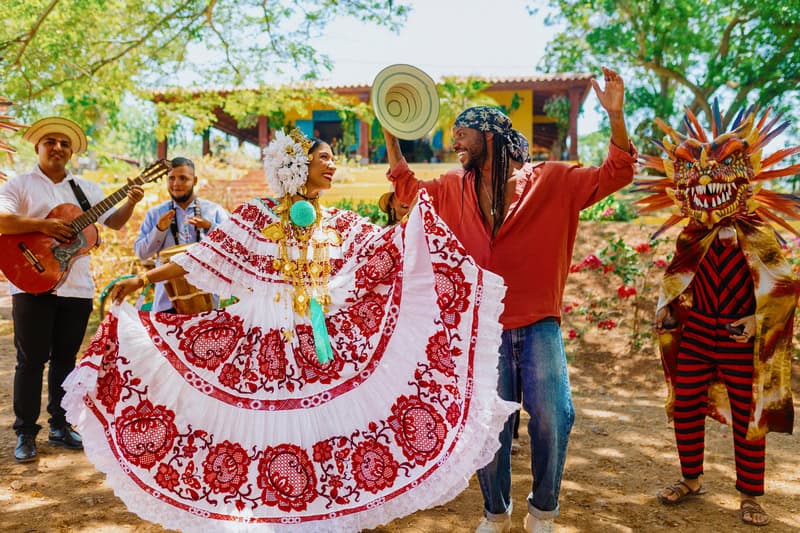
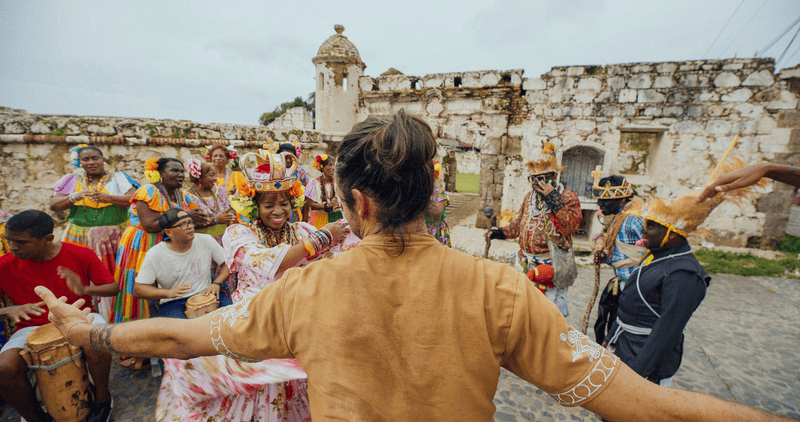
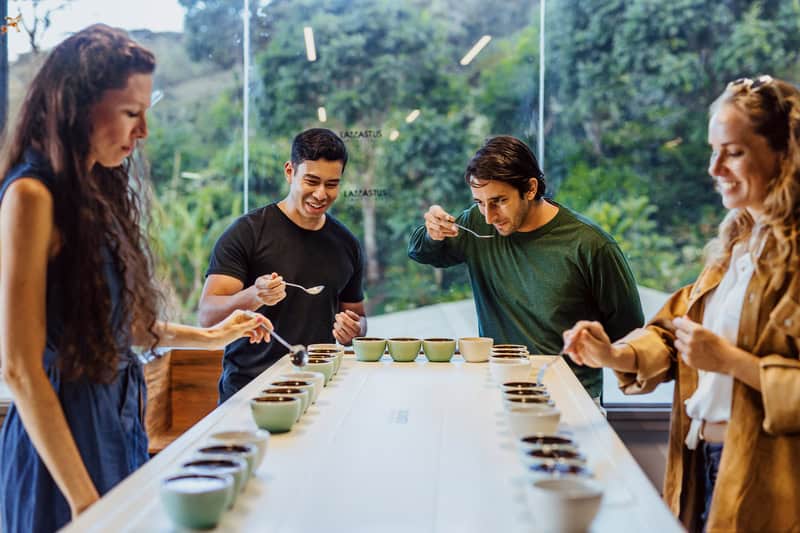
Melanie mapped out a single day for us: Geisha coffee in the historic streets of Casco Viejo, followed by a morning spent watching endemic birds along the famed Pipeline Road, forty minutes from a boutique hotel. Lunch, sourced locally, overlooking the Caribbean, less than an hour from Panama City. Evening on a private island in the Pacific, watching humpback whales surface just off the terrace.
“The true luxury here is space, local expertise, privacy, biodiversity, and access to experiences that remain largely undiscovered,” she said.
That kind of range in a single day is rare almost anywhere in the world.
How Panama Compares to Costa Rica
Costa Rica is a journey we know well, having planned it for our own family as often as we have for clients. It remains one of our favorites to send travelers to, for the same reason Panama is calling to us now: depth, without the crowds.
“Costa Rica and Panama share extraordinary biodiversity, but Panama offers a distinctly different experience and often a greater sense of discovery,” Melanie said. Centuries as a global crossroads gave Panama a cultural and culinary depth that is genuinely its own, from Afro-Caribbean cooking on the coast to French-inspired fine dining in Panama City. For clients who already know and love Costa Rica, Melanie sees Panama as the natural next step, not a substitute, but a different kind of depth.
Richard’s Panama
Richard grew up in Panama and the former Canal Zone, and has spent his career guiding travelers through the country he calls home.
Ask what still stops him after years in the field, and he does not hesitate.
“Giant anteaters,” he said. “Every single time.”
He is just as quick to point toward what visitors tend to miss entirely. Panama functions as a land bridge between two continents, home to endemic species found nowhere else on earth, packed into an area small enough that every acre matters to conservation.
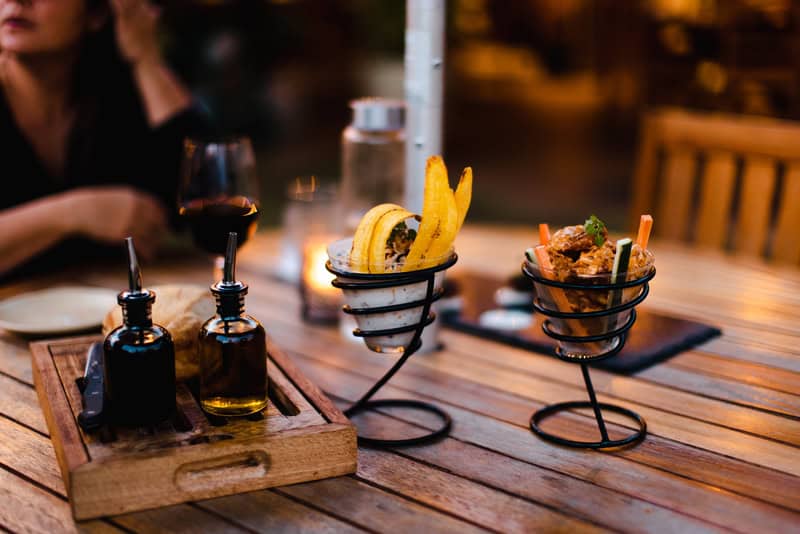
He also steers travelers toward something less obvious than wildlife. The food, he said, is worth building a day around, shaped by generations of migration and trade that show up on every plate.
Asked what makes this stretch of coastline unlike anywhere else, Richard kept it simple. The Spanish Main of Panama, he said, has no equal.
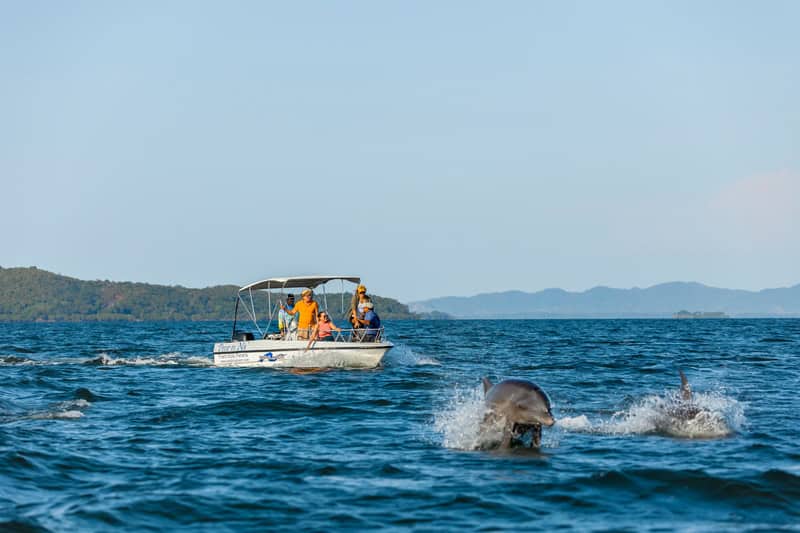
On his own days off, he is out on the water. Fishing both oceans, the lakes, and the rivers that thread through the country he has never wanted to leave.
What Melanie Wishes More Travelers Understood
“We wish more people understood how much Panama offers beyond what appears on a map,” she said.
This is one of the few places in the world where a traveler can wake up in a modern, cosmopolitan city, spend the morning watching toucans and sloths in the rainforest, meet local artists in the afternoon, and watch ships transit one of humanity’s great engineering achievements before dinner.
“Panama’s greatest asset is not any single attraction,” she told us. “It is the extraordinary interconnectedness of nature, culture, history, and geography.”
She does not see it as a stopover between North and South America. She sees it as a standalone destination, capable of delivering some of the richest, most layered travel in the Western Hemisphere.
Where We Would Send You First
A great Panama itinerary works best when woven from contrasting regions rather than a single long route.
- Panama City and the Canal Watershed: Casco Viejo’s colonial streets alongside the canal itself, seen as both an engineering feat and a living ecosystem
- Soberanía National Park: world-class birdwatching and wildlife minutes from the capital, one of the few places on earth where monkeys, sloths, and toucans live this close to a major city
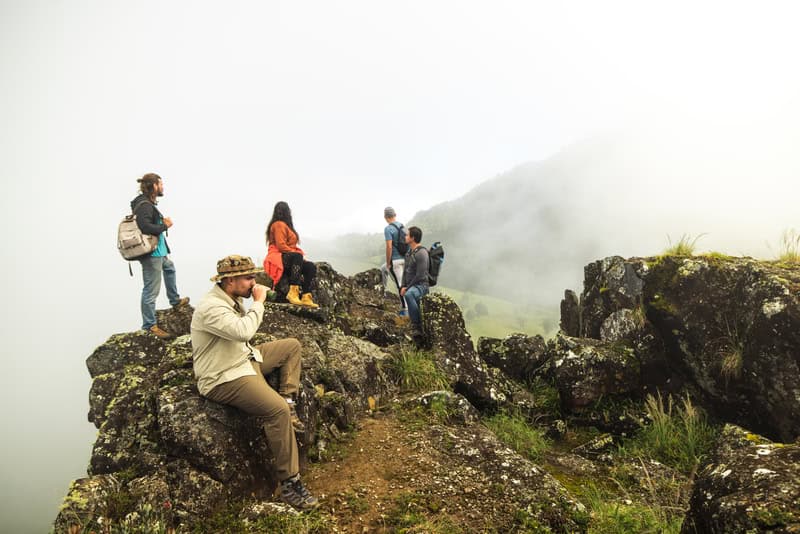
- Boquete and the Chiriquí Highlands: cloud forest, Geisha coffee, canopy ziplines, and cooler mountain air that contrasts beautifully with the lowlands
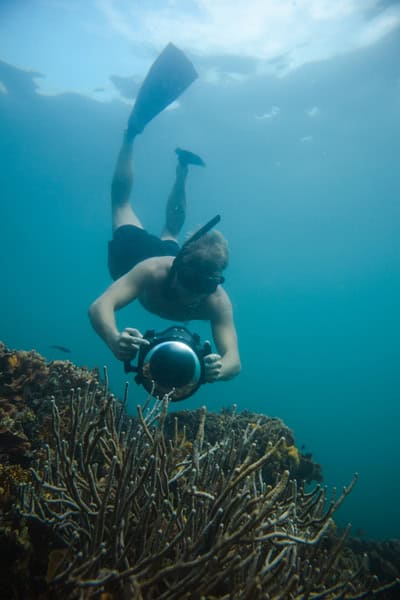
- The Pacific and Caribbean coasts: deep-sea sportfishing, humpback whale watching from July through October, and reef diving around Coiba National Park, Bocas del Toro, and the San Blas Islands
For the stay itself, we lean on hand-selected properties that match the traveler, not the other way around:
- El Otro Lado, roughly ninety minutes from Panama City by road with no domestic flight required, for a soulful Caribbean coastal retreat rooted in Afro-Caribbean history and art
- Isla Palenque, for barefoot rainforest island living with excellent fishing and front-row seats to whale season
- Islas Secas, Panama’s most private island experience, suited to multigenerational families and conservation-minded travelers who want true exclusivity
- Nayara Bocas del Toro, overwater villas and treehouses paired with cacao plantation visits and archipelago exploring
- The M/Y Kontiki Wayra, a nine-suite expedition yacht for families who want to reach the parts of Panama almost no one else sees
The Relationships Behind Every Itinerary
Every destination we send clients to is built on relationships like the ones you just read about.
Melanie and Richard did not become our contacts by accident. Building trips together, questions, and follow-up conversations built the kind of trust that lets me call on them directly when I am building a Panama itinerary for a client, and get answers most travelers never would.
That is true in every country we work in. We don’t hand you a list of hotels and hope for the best. We call the people on the ground who know which guide to request, which suite actually has the view, and which week the whales are closest to shore.
Our contacts become your contacts. When you travel with Mer Bleue, you are not booking a destination. You are stepping into a network built over years, one that opens doors a guidebook never will.
Ready to See Panama Before Everyone Else Does?
If a day that moves from birding in primary rainforest to whale watching from a private island sounds like the kind of travel you have been looking for, we would love to help you plan it. Through our relationships with Panama’s leading guides and hand-selected properties, Mer Bleue designs itineraries built around access, authenticity, and a true sense of place.


