



Authentic Luxury Travel and What It Actually Means
I hear a version of this concern often.
Someone is planning a significant trip and wants it to feel real. Not staged, not insulated, not beautiful in a way that could belong to any destination. They want to arrive somewhere and actually feel where they are. They want the texture of a place, not just its surface.
Authentic luxury travel means experiencing a destination with depth, comfort, and intention. It’s the difference between a beautifully designed trip that keeps you at arm’s length from the place itself, and one where the property, the guides, the pace, and the experiences all work together to reveal where you actually are. When luxury travel is planned thoughtfully, the two don’t compete. Done well, luxury removes the friction that keeps most travelers at the surface and replaces it with genuine access.
That’s the distinction worth making, and it’s the one I build every itinerary around.
What Is Authentic Luxury Travel?
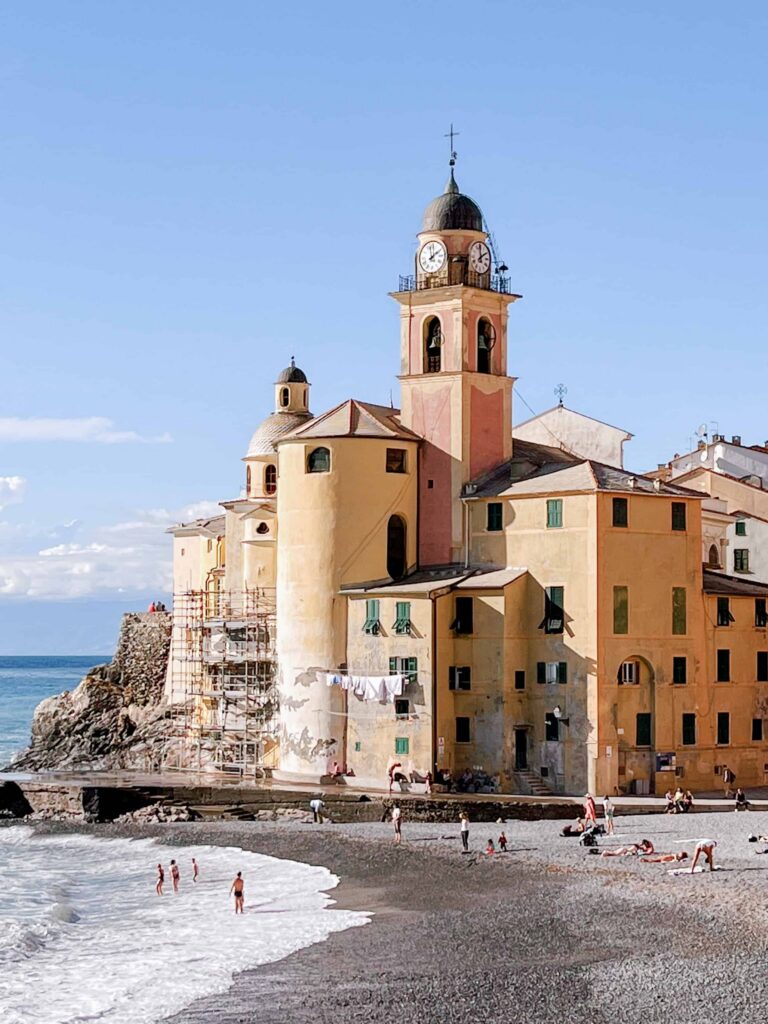

Authentic luxury travel is a style of travel that combines high-end accommodations, personalized service, and curated experiences with a genuine connection to the destination. Rather than insulating travelers from a place, it uses access, expertise, and intentional planning to create a deeper experience of it. The best authentic luxury trips are defined by properties with a true sense of place, guides with local knowledge, and itineraries designed around the traveler rather than a standard template.
What Authentic Luxury Travel Actually Means
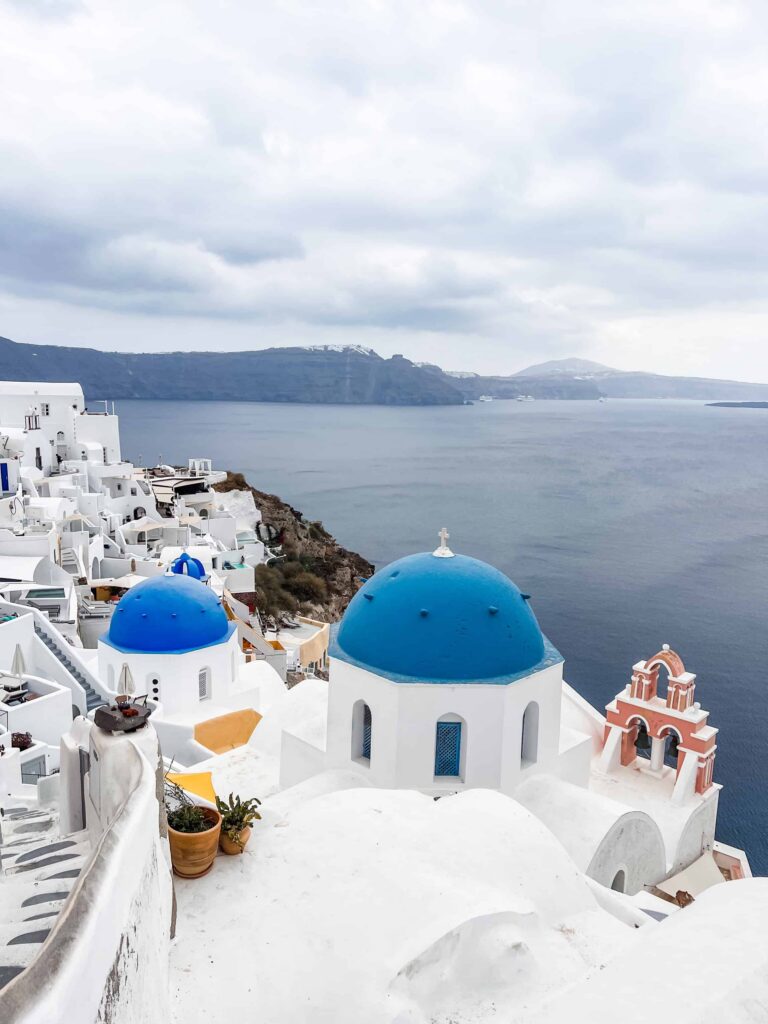
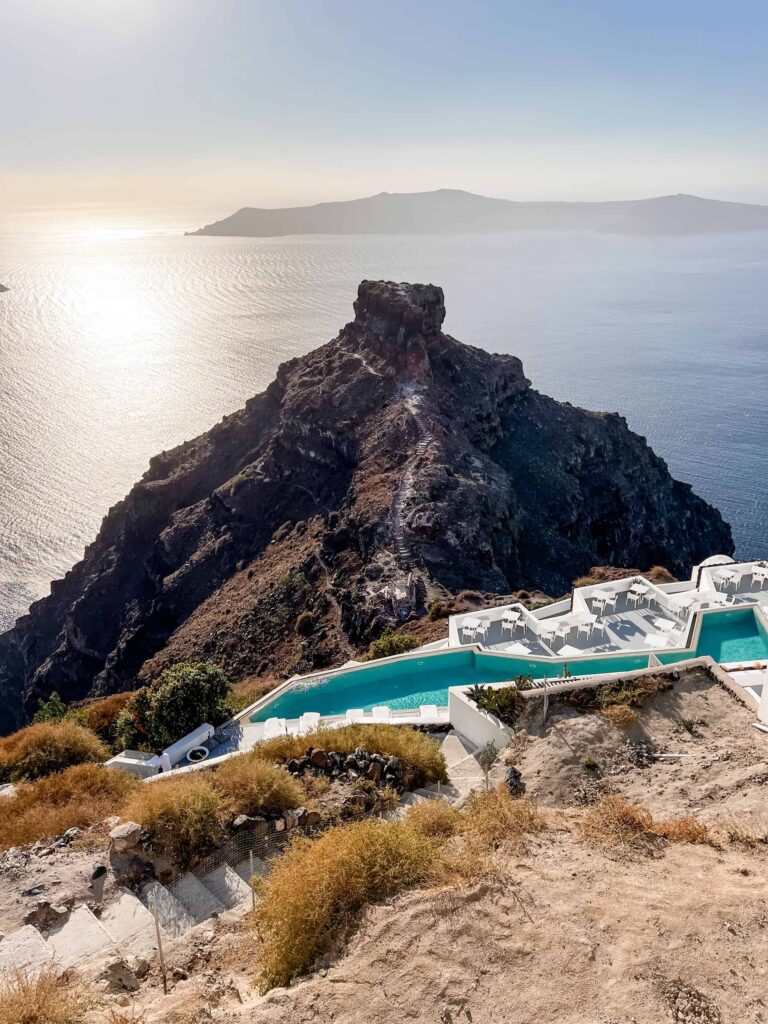
It’s not defined by price or prestige. It’s defined by care.
Authentic luxury travel is the difference between staying somewhere beautiful and staying somewhere that belongs to the place around it. A property that commissions local artisans. A guide who grew up in the region and can explain not just what you’re looking at, but why it matters to the people who live there. A restaurant that sources from nearby farms and puts something on the plate that you couldn’t find anywhere else, in any other season.
A meaningful journey should feel rooted in its destination. The property, the food, the design, the pace, the people: all of it should work together to reveal where you are, not distract from it.
That’s what I look for when I’m building an itinerary. Not the most recognizable name or the most photographed property. The one that fits.
The distinction sounds simple. In practice, it requires knowing the difference between a beautiful hotel and the right beautiful hotel for this particular traveler. A popular experience and one that’s genuinely worth their time. A full itinerary and a well-paced journey that leaves room to breathe, wander, and be surprised.
Can a Luxury Property Still Feel Local?
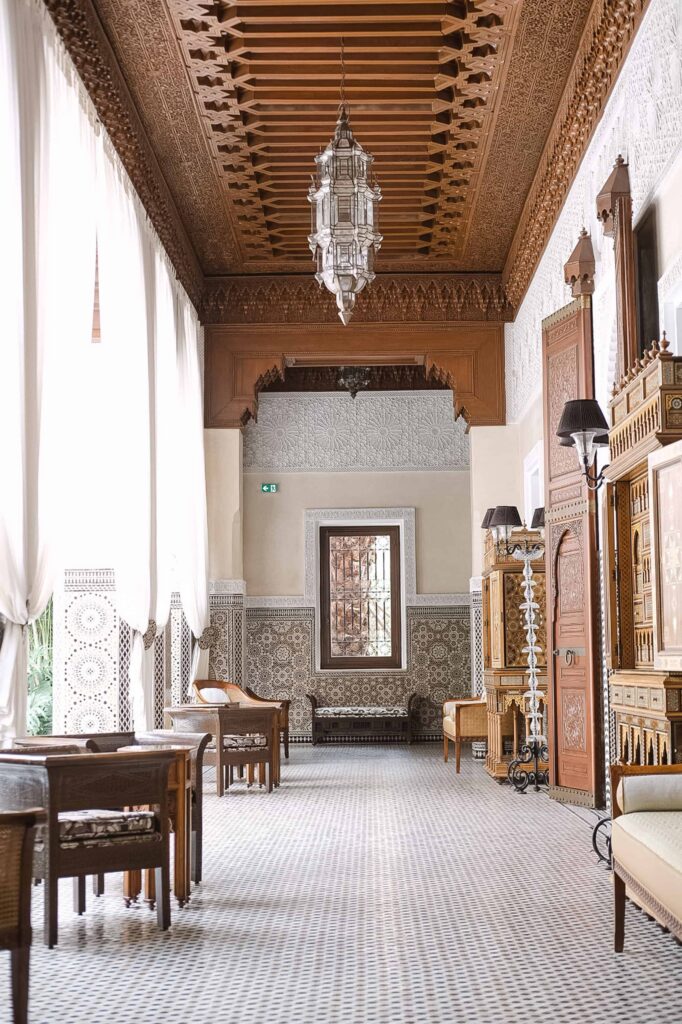
There’s a common assumption that informal equals authentic. A rental apartment in a great neighborhood is the more “local” choice than a beautiful nearby hotel.
But authenticity isn’t only about having a front door in the neighborhood. It’s about how your stay connects you to the place around you. And a thoughtfully chosen luxury property can be one of the most meaningful parts of a journey.
Not the sprawling resort that could be dropped onto any coastline in the world. Not the property with an international menu designed to make every guest feel at home, regardless of where home is. The kind of place that feels like a representation of where it is.
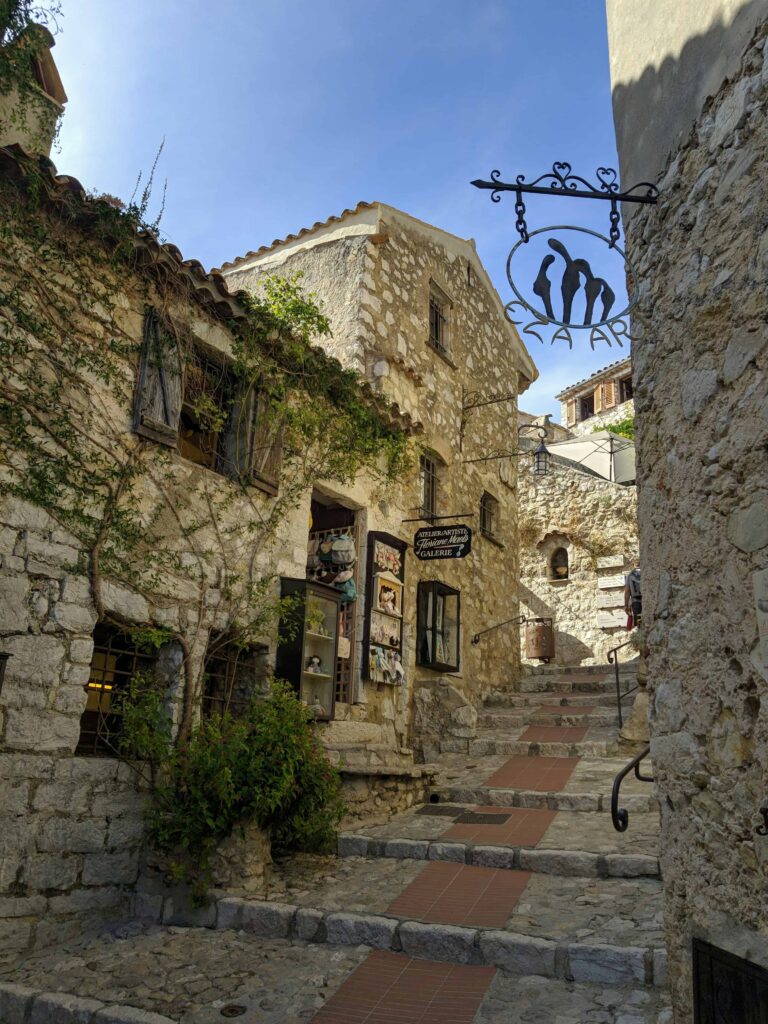
A boutique property in a restored historic building, where the architecture tells the story of the city around it. A family-owned inn where the staff grew up nearby and recommend the restaurant their grandmother still visits on Sundays. A countryside retreat working with local farmers, pouring wine from producers down the road, and organizing experiences that the average traveler simply can’t arrange on their own.
Those properties do more than offer a beautiful place to stay. They support local guides, chefs, makers, and families. They preserve a sense of place rather than replace it. They give you comfort and context in equal measure.
This is why authentic should never be confused with roughing it. You don’t have to sacrifice beauty to experience something real. You don’t have to trade good service for cultural connection. The best luxury travel allows both to exist together, and when it does, the result is a trip that stays with you long after you’ve returned home.
Why Boutique Luxury Properties Often Offer a Stronger Sense of Place

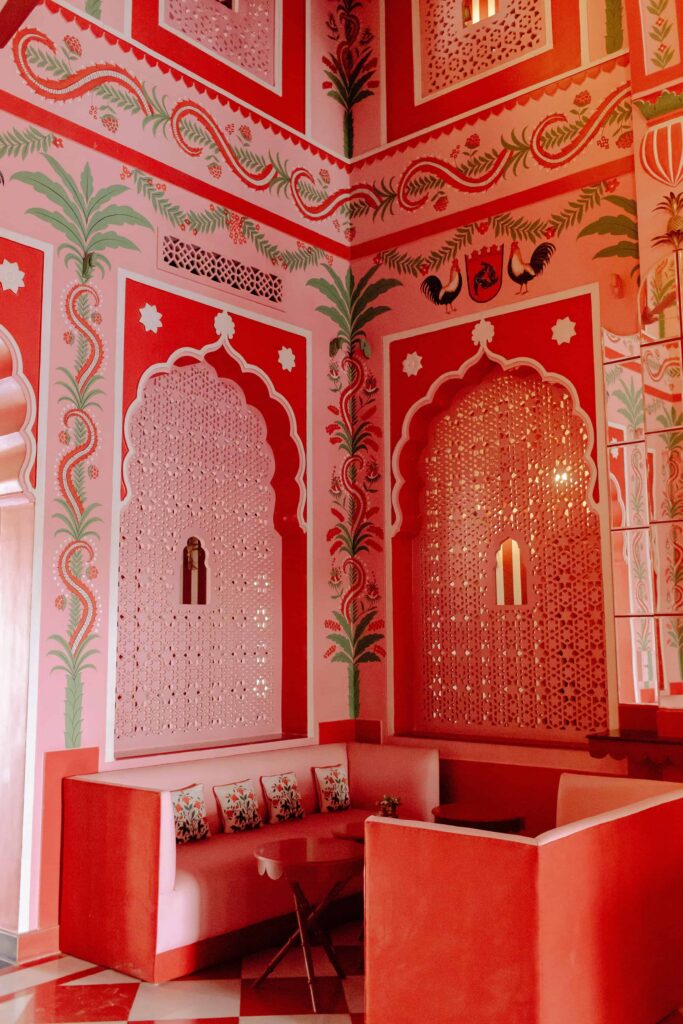
The best properties introduce you to a destination through detail.
You notice it in the art on the walls, chosen because it reflects the region’s history or the work of a local artist, not because it matches the furniture. The staff who know the surrounding countryside because they grew up exploring it. The restaurant sources from nearby fishermen and changes the menu with the seasons. The design choices that feel specific rather than imported, the feeling that your stay wasn’t placed on top of the destination, but woven into it.
A great property becomes part of the experience, not just where you return at the end of the day. It shapes how you understand a region, introduces you to local food, craftsmanship, and hospitality, and makes the whole journey feel more coherent and more personal.
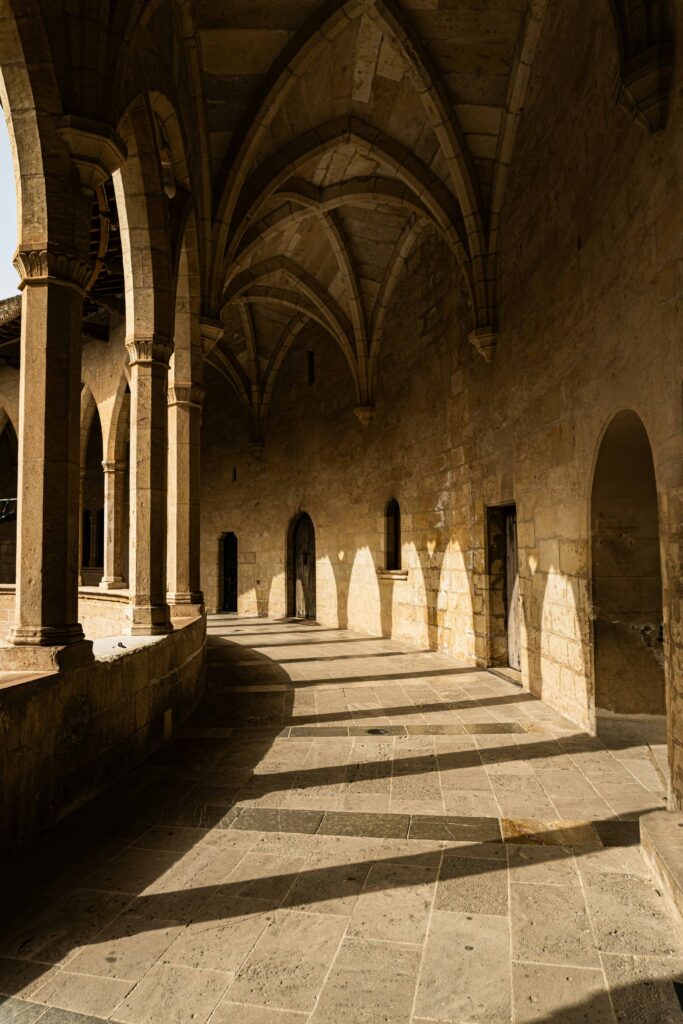
I think of stays like Abadía Retuerta LeDomaine in Spain’s Ribera del Duero, a restored 12th-century monastery set in the middle of its own vineyards. Or an intimate family-owned estate in Tuscany where the experience of the place is inseparable from the people who built it. These properties don’t just offer comfort. They offer a version of a destination that you couldn’t access any other way.
That kind of experience doesn’t happen by accident. It comes from choosing the right property for the right traveler, in the right destination, at the right pace.
How Conscious Travel Fits Into Luxury Travel

Sustainable luxury travel doesn’t require sacrificing beauty, ease, or comfort. In many cases, the most meaningful experiences are already the most responsible ones.
Properties that invest in their communities rather than extracting from them. Hotels that restore historic buildings rather than replace them. Lodges that protect wildlife and natural landscapes as a core part of their business model. Estates that source from local artisans, farmers, and families, creating an economy around the visitor experience rather than importing everything from elsewhere.
Conscious travel is not about perfection. It’s about intention.
It’s asking better questions before you book. Does this property feel connected to its setting, or does it sit atop the destination like a layer that could be peeled away? Who does this experience support? Does this itinerary give more than it takes? Are we moving through this destination with curiosity, respect, and genuine care?
Those questions matter. And the trips that answer them well tend to feel richer for it, not just ethically but experientially. There is something different about waking up in a place that belongs to the surrounding landscape. Something that registers before you’ve fully formed the thought.
The Concern I Hear Most Often

Travelers planning significant trips sometimes worry that luxury, by its nature, insulates. The more comfortable the experience, the less real it becomes. Choosing a beautiful property means choosing convenience over connection.
It’s a fair concern because there is a version of luxury travel that works exactly that way. The generic five-star property that could be anywhere. The packaged itinerary that moves you efficiently from landmark to landmark without ever letting the place sink in. The trip looks impressive and feels hollow.
But that version of luxury travel is a planning problem, not an inherent feature of the category.
The antidote isn’t stripping away comfort. It’s choosing differently. It’s knowing which properties have soul, which guides bring genuine expertise, which experiences are worth your time, and how to build an itinerary that has enough space in it for the unexpected moments that often become the ones you remember most.
Authenticity often lives in the details. The sound of the landscape when you wake up. The way a property frames a view without overpowering it. The conversation with a guide who grew up nearby tells you something about the place that no itinerary could have anticipated. The dish that could only taste that way in that region, in that season. The ease of knowing that every piece of the journey was chosen with purpose.
What I Actually Do Differently

My work isn’t booking the most expensive property or the most recognizable name. That part is easy. The harder part, and the part that changes the experience, is knowing which property is right for this particular traveler, on this particular trip.
That distinction matters more than most people realize.
For a traveler who wants to experience Costa Rica with depth, I might choose three distinct regions: the cloud forest, the rainforest, and the coast, rather than reducing the country to a single beach stay. For a European itinerary, I might pair a grand city property with a private guide who can bring the history to life in a way no group tour could. For a safari, I look for lodges that support conservation and local employment, with guides who know the land because it’s home.
The design of the itinerary matters just as much. A trip that’s too full leaves no room for the moments that arrive unexpectedly. A property that’s mismatched to the traveler, however beautiful, creates friction rather than ease. Getting those details right is what allows a trip to feel personal rather than produced.
That skill came from somewhere. Before Mer Bleue, I spent fourteen years as a teacher and guidance counselor. The work was fundamentally about listening: not for what someone said they wanted, but for what they actually needed. Learning to read what was underneath the surface, ask the right question at the right moment, and respond to the person in front of you rather than a category or a checklist. I carry that into every trip I plan.
When a client tells me they want a relaxing trip to Italy, I’m already listening for what relaxing means to them specifically. For one person, it’s slow mornings and long lunches with nowhere to be. For another, it’s knowing every detail is handled so they can be fully present. For a family, it’s finding the rhythm that works for three generations without anyone feeling compromised. The itinerary I build reflects that, not a template.
Through my Virtuoso membership and years of building relationships with properties and guides around the world, I have access to experiences, rooms, and moments that aren’t available through standard booking channels. That access is part of what I bring. But the more important part is knowing how to use it thoughtfully, in the service of a journey that reflects who you are and what you actually want to feel when you’re there.
Frequently Asked Questions About Authentic Luxury Travel
Is luxury travel authentic, or does it keep you from experiencing a destination?
It depends entirely on how the trip is planned. Luxury travel can absolutely be authentic when it prioritizes properties with a genuine sense of place, guides with real local knowledge, and experiences that reflect the destination’s culture and character. The version of luxury travel that feels generic and insulated is a planning problem, not an inherent feature of traveling well.
What makes a luxury hotel feel authentic?
A luxury property with a true sense of place typically sources locally, employs staff from the surrounding community, reflects the region’s architecture and design traditions, and offers experiences that connect guests to the destination rather than shielding them from it. The difference between a property that belongs somewhere and one that could be anywhere is usually felt within the first few hours of arrival.
What is the difference between luxury travel and experiential travel?
Luxury travel and experiential travel aren’t opposites. At its best, luxury travel is experiential: it uses access, relationships, and careful planning to create experiences that go deeper than what a standard itinerary offers. A private guide at an archaeological site, a meal at a family estate, a safari with a lodge that supports local conservation: these are both luxurious and experiential.
Do I need a travel advisor for authentic luxury travel?
You don’t need one, but the difference in experience is significant. A luxury travel advisor with deep destination knowledge and established relationships can access properties, guides, and experiences that aren’t available through standard booking channels. More importantly, a good advisor knows how to build an itinerary that fits the traveler, not just the destination, which is where authentic luxury travel actually begins.
Luxury Travel Can Still Be Authentic

In fact, when it’s done well, authenticity is what makes luxury travel worth the investment.
It’s not about more. It’s about the right things, chosen with care, arranged with intention, and experienced with enough ease that you can actually be present for them.
The best trips I’ve planned are the ones where clients come home saying they didn’t feel like tourists. They felt like guests. Like the destination opened itself up to them rather than presenting its public face.
That’s what I design for, every time.
If you’re looking for a journey that feels elevated and genuinely connected to where you are, I’d love to help you plan it. Reach out here, and let’s start shaping something worth going for.


